Administrator presents steep FY2026 gap; commission weighs millage increase, cuts and employee health changes
Loading...
Summary
Administrator Allen presented a proposed FY2026 budget that begins with a roughly $26 million shortfall and recommends a mix of departmental cuts, fee updates, a proposed 2‑mill property tax increase and phased employee health premium changes; a motion to adopt a stepped employee premium schedule failed at the meeting.
City Administrator Allen told the Augusta‑Richmond County Commission that the proposed fiscal 2026 budget begins with a roughly $26 million gap between projected revenues and expenditures and that staff worked to reduce that shortfall but still face continuing pressures from rising healthcare and operating costs.
“We have to confront the reality we are facing,” Allen said, warning commissioners that the situation is acute: “One of the staff said, ‘the house is on fire.’” Allen said staff found more than $5 million in reductions and asked departments to model a further 3% cut to their 2026 requests, but additional revenue and structural changes will be required to close the remainder of the gap.
The Administrator highlighted several drivers: the expiration of one‑time American Rescue Plan (ARPA) funds used in FY2025 (about $7.4 million that cannot be carried forward to 2026), multi‑year increases in healthcare costs for employees and inmates, cost growth tied to filling public‑safety vacancies approved in 2025, and general inflation on contracts and utilities. Allen said a proposed countywide millage increase from 6.277 to 8.277 (a two‑mill change) would generate about $16 million in revenue and was part of a balanced scenario staff prepared for discussion.
Program and expenditure recommendations in the transmittal included a 3% cost‑of‑living adjustment for employees, a proposed new vegetation and grounds maintenance unit (a $350,000 start‑up to consolidate contracted and in‑house work), rightsizing of Housing & Community Development, transit and the county jail, and cuts to discretionary NGO funding (a recommended 30% cut for discretionary nonprofits and 10% for outside authorities and mandated agencies). Allen recommended the commission consider these measures and use any net gains to rebuild fund balance after FY2025 draws.
Interim finance director Tim Schreier followed with health‑benefit options for employees. Schreier offered a four‑year plan to move contribution shares toward a target allocation and proposed a banded (three‑tier) premium schedule that shifts a larger share of near‑term increases to higher earners while lessening the burden on lower‑paid employees. Schreier also recommended raising the hospital deductible to $500 and noted open enrollment begins Nov. 1.
Commissioners asked a range of questions about ARPA spending, the feasibility of deeper departmental cuts, where fire‑ and utility‑related rate increases might fall, the schedule for work sessions and how new vegetation/grounds work would affect contractors and existing staff. Several commissioners said they wanted a more aggressive search for cuts before increasing property taxes, while others stressed the political and service consequences of deeper cuts to public safety or essential services.
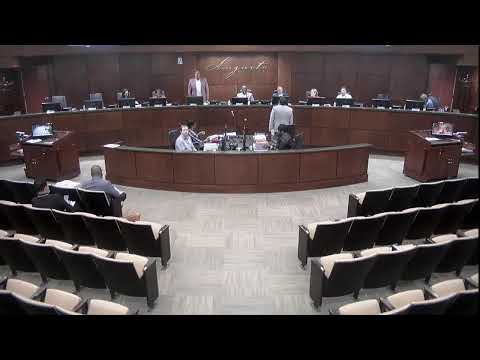
The commission considered a motion to adopt the revised, banded premium plan (the stepped employee contribution schedule) proposed by interim director Schreier. The motion (to adopt premium changes based on three salary bands) was moved and seconded but failed on the floor; the clerk recorded that the motion failed “with Miss Pulliam voting no and Mister Johnson out.”
Allen and Schreier said staff will return with additional detail in scheduled budget work sessions. The commission set or confirmed tentative work‑session dates to drill into revenue options, proposed rightsizing measures and utility rate recommendations.