Get Full Government Meeting Transcripts, Videos, & Alerts Forever!
Get email alerts on the Sanitary Sewer Inflow Infiltration topic
No spam. Unsubscribe anytime.
City orders smoke testing after August storm that flooded West Walter Street basements
Summary
Board approved a task order with Strand Engineering to perform smoke testing after an August storm caused sanitary sewer surcharging in the West Walter Street area; staff outlined expedited televising, lining and possible private lateral backflow preventers as options.
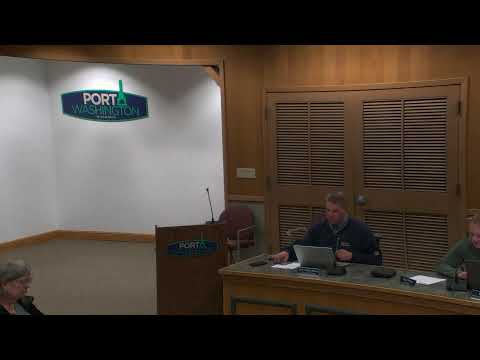
City staff reported to the Board of Public Works on Oct. 14 that an August storm caused sanitary sewer surcharging in the Walters–Jefferson–Whitefish–Fairview sewer shed, producing basement sewage in "three or four" homes and a longer history of deeper backups for some residents.
Staff described a stepped response: smoke testing to identify direct inflow and cross‑connections; expedited closed‑circuit televising of the affected sewer reach; targeted lining coincident with the paving program; inflow-and-infiltration inspections tied to meter and cross‑connection records; resident notification about improper connections (for example downspouts into sanitary laterals); targeted flow monitoring after repairs; and a possible near‑term program to install backflow preventers in private laterals (utility installs, homeowner maintains) as an interim measure rather than immediately upsizing a section of sewer estimated to cost more than $1 million.
The board voted to approve a task order with Strand Engineering to perform smoke testing covering the sewer reach described in the staff packet. Alderman Miller made the motion; committee member Pauley seconded and the motion passed by voice vote. Staff said the company’s proposal and associated televising would be expedited to be completed before frost if possible. An estimated 10,829 feet of pipe was discussed during the question period when a board member verified the scope; staff confirmed televising and smoke testing would target the mapped red area identified in the packet.
Staff said smoke testing will not intentionally be sent into homes; resident notices and instructions will be distributed in advance and the test uses non‑toxic tracer smoke. Staff cautioned smoke testing is imperfect — it is useful for finding many downspouts, crushed pipes and leaky manholes but may not identify, for example, a sump pump plumbed into a laundry tub inside a house. The initial project cost estimate presented in the packet was about $21,000; a placeholder of $25,000 exists in the sanitary sewer budget and staff confirmed the work will be funded from the sanitary sewer utility.
Why it matters: board members and residents described repeated impacts and asked for expedited, targeted actions. Staff said the combination of targeted repairs, lining aligned with paving and resident outreach should reduce recurrence; they also said further flow monitoring will measure the effectiveness of the interventions.