Get Full Government Meeting Transcripts, Videos, & Alerts Forever!
Get email alerts on the School Climate topic
No spam. Unsubscribe anytime.
Greendale principals report modest gains in school climate; stricter cell‑phone enforcement credited
Summary
Greendale High School and Greendale Middle School principals said survey results show modest improvements in overall school climate, increased clarity and compliance with cell‑phone rules, and ongoing work on belonging, attendance and vaping reduction.
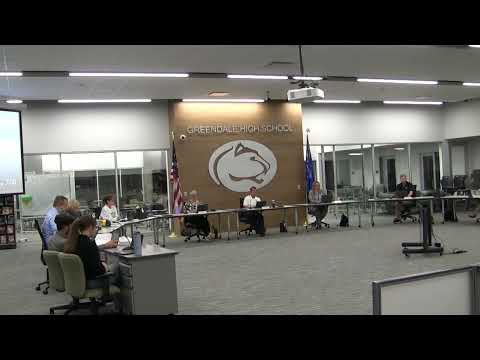
Greendale High School and Greendale Middle School principals reported modest improvements in school climate in presentations to the Greendale School District, citing higher survey scores for overall positivity, clearer cell‑phone rules and expanded supports to boost student belonging.
The high school principal said the school’s overall positive‑mood score rose from 57% last year to 63.4% this year and described three principal focuses for the year: rules, behavior and expectations tied to attendance, vaping reduction and a ban on cell phones during class time. “The students have responded really well,” the high school principal said, summarizing teacher and student reaction to the new expectations.
Why it matters: district leaders said the measures are intended to reduce classroom distractions and improve instructional time. Survey shifts and program changes at both buildings were presented as part of ongoing efforts to raise student engagement and lower negative behaviors that affect learning.
Survey results and programs The high school presentation highlighted a small rise in students rating the school as positive (57% to 63.4%) and reported that 45.3% of students rated school rules as “extremely” or “very” fair (up slightly from the previous year). When responses for “somewhat fair” are included, roughly 86% of students indicated the rules were at least somewhat fair, while about 13% said rules were little or not better at all.
The principal described several initiatives intended to improve climate and belonging: continuing “5 Keys” work with an emphasis on punctuality, the adoption of an Overcoming Obstacles curriculum with tiered lessons by grade level, and implementation of the Sources of Strength peer‑leadership activities. The presentation noted 70 student leaders met with advisors to plan projects aimed at increasing students’ sense of belonging.
Cell‑phone rules and adult intervention The high school reported that clarity about cell‑phone rules rose from 61% last year to 74.1% this year. Combining the “clear” and “somewhat clear” responses produced roughly 95% positive responses on clarity. The school also reported that about 80.1% of students indicated most students follow the cell‑phone rules and that adults are likely to intervene when rules are broken; the likelihood of adult intervention was reported at 94.6%.
Middle school report Greg Curry, principal of Greendale Middle School, reported similar improvements at the middle school. Curry said the school’s positive‑mood score rose from 63% last year to 72.2% this year. Respect shown by students increased from about 38% to 45.4%, and the percentage of students who said they felt they belonged rose from 61% to 64%.
Curry described a strategy of reteaching expectations (rather than punishing), use of a PBIS (Positive Behavioral Interventions and Supports) team, monthly assemblies, and expanded “home base” periods to start the day; 13 of 24 home bases were up and running at the time of the presentation, with a goal to have all 24 active by the second semester. Curry said, “It just feels different,” describing stronger adult presence in hallways and increased staff engagement in enforcing expectations.
Distinguishing discussion from action Presenters described programs and survey results and outlined next steps but did not propose or record formal policy votes during this presentation. Several actions named in the presentations — such as continuing PBIS work, rolling out the Overcoming Obstacles curriculum, expanding Sources of Strength and phasing in home bases — were described as ongoing implementation steps rather than formal board decisions.
Upcoming items and events Presenters noted upcoming school events including a play and an orchestra concert scheduled for the week following the presentations.