Get Full Government Meeting Transcripts, Videos, & Alerts Forever!
Get email alerts on the Curriculum topic
No spam. Unsubscribe anytime.
Candidates split on curriculum approach; many back evidence-based standards with classroom flexibility
Summary
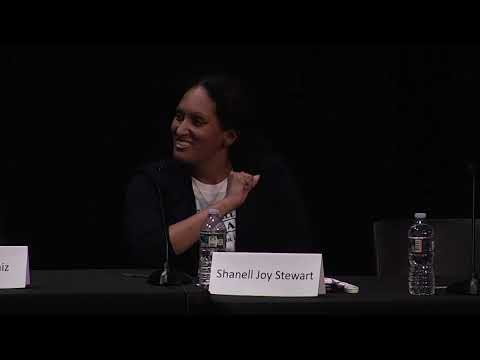
At a student-moderated forum, candidates discussed balancing district-adopted, evidence-based curricula with teacher autonomy. Several called for stronger educator voice at subcommittee and curriculum discussions.
Student moderators asked candidates how they would support evidence-based curricula while preserving teachers’ freedom to design lessons. Candidates agreed that standards are important but emphasized giving educators more input and occasional flexibility to adapt instruction.
Colin Dias said he would push for greater educator participation at the subcommittee level: “When we have those discussions, it’s important that we have voices from all different sides. I’ve been advocating for… members from educators come on down and speak directly to the committee.” Kevin Aguilar (candidate) described curriculum as a necessary framework and said it should allow teachers to “modify their lessons” while maintaining district standards. Mark Malecon added that teachers need support to “think outside the box” to reach students who learn differently.
John Sylvia, drawing on memories of influential teachers, criticized an overemphasis on standardized testing: “We’ve kinda been hurt with the whole MCAS system. We were teaching to a test, and we’re still teaching to a test. So I’d like to see us go away from that.” Anna Riley, identifying her background in district leadership, said the curriculum is ‘‘a tool’’ and praised teachers who “infuse that with their own creativity and engagement.”
Randy Dudek noted the recent change removing MCAS as a graduation requirement and called it an opportunity to add flexibility: “Hopefully now that the MCAS graduation requirement has been taken away, that’s going to give us an opportunity… to start moving towards more flexibility in the curriculum.”
Candidates most frequently suggested procedural changes—more educator input at subcommittee meetings, clearer channels for teachers to present concerns to the committee, and attention to curriculum adoption processes—rather than immediate curricular changes.