Get Full Government Meeting Transcripts, Videos, & Alerts Forever!
Get email alerts on the Extended Programs topic
No spam. Unsubscribe anytime.
Extended-programs update: Kids Cafe served about 892 campers; pool closure strained staff and programming
Summary
District staff reported full Pre-K+ enrollment, steady before/after-school numbers and roughly 892 Kids Cafe camper enrollments over three sessions; presenters said the pool closure created major operational challenges for summer programming and staff workload.
Officials told the school committee Oct. 22 that extended-day and summer programs remained financially solvent and well-attended but that the district’s closed pool limited cooling and recreation options and increased staff workload.
Lisa Pacheco, who oversees extended programs, reported full enrollment for Pre-K+, growing before-and-after-school enrollment and three Kids Cafe summer sessions that together served about 892 campers and “a little over 8,000” camper-days across six weeks. She offered session averages of 270, 283 and 294 campers and said the program employed 52 staff members over the summer, including supervisors and instructors.
“1 camper received medication, 46 ice packs, 39 band aids…12 sent home, 12 epi pens, and 1 broken arm,” Pacheco said when summarizing nurse visits and health incidents in the summer program. She emphasized the pool’s importance to heat relief: replacement activities such as tents, water slides and field trips helped but “it doesn't replace the pool.”
During questions, Pacheco said the district had “lost 100 students, but we also gained 100 hundred students” in the context of pool availability and community awareness of programs; she said the net was a small increase in new families using programs. That exchange reflects the district’s ongoing efforts to maintain affordability and staffing while adapting to facility limits.
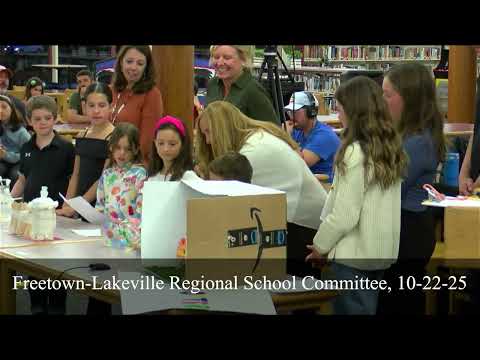
Representatives of Community Recreation described after-school sports programs and volunteer return rates: program leader (and current Grama PE teacher) said programs run in five-week blocks and rely on returning older students as volunteers who earn community-service hours. Karen Chase described the storytelling and intergenerational “Once Upon a Generation” program that pairs students with seniors to preserve oral histories; senior participant Cameron Poirier read his college-essay reflection on that program and said it helped him develop public-speaking and listening skills.
Committee members asked how the pool affected programs; Pacheco said the loss of the pool created more work and fewer cooling options and asked that the district continue seeking pool access to restore programming.
Administrators and committee members thanked program staff and the PTOs that funded supplemental materials and events.