Get Full Government Meeting Transcripts, Videos, & Alerts Forever!
Get email alerts on the Environmental Regulation topic
No spam. Unsubscribe anytime.
Idaho DEQ warns permit delays, seeks targeted pay increases to curb turnover
Summary
Department of Environmental Quality officials told legislators permitting backlogs and staff turnover are slowing economic projects and asked for targeted pay increases and related actions to retain specialized staff and preserve state primacy over environmental programs.
At a legislative budget hearing, the Idaho Department of Environmental Quality (DEQ) told lawmakers permit-writing backlogs and staff turnover have lengthened permit timelines and are delaying some development, and the agency requested targeted pay increases to improve recruitment and retention.
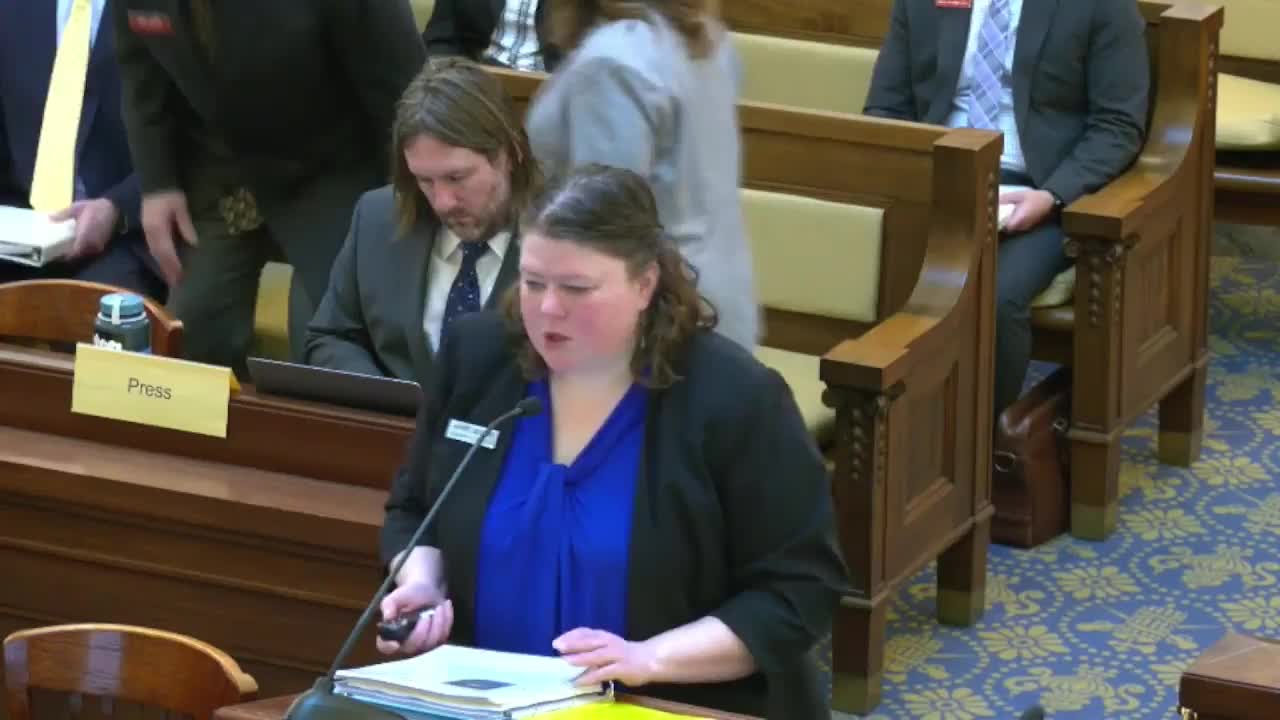
Budget analyst Janet Jessup briefed the committee on DEQ’s budget and staffing before Director Jess Byrne took questions. Jessup told the committee the department is “currently allocated 385 FTP” and reported a vacancy count of 37 positions (about a 9.7% vacancy rate) at the time of submission. She also told the committee the agency expended roughly $35,000,000 — about 23% of its appropriation for personnel in the year shown in materials.
Director Byrne said permitting delays are linked to turnover and training timelines for specialized staff. He described examples in the agency’s permitting programs: in the air program the average time to issue a permit rose from about 89.1 days to roughly 160 days; the air-permitting group had seen about 50% vacancy in the last year and surface-water individual permitting had seen about 60% vacancy. Byrne said many technical positions require long on-the-job training and the agency’s average tenure for new staff is about 2.8 years, often meaning DEQ loses employees shortly after investing in training.
To address recruitment and retention, Byrne described a targeted-pay proposal included in the governor’s recommendation that raises entry-level hiring comp ratios and provides additional increases for high‑turnover positions. He described raising the minimum comp ratio for hires to about 83% and targeted positions up to about 86%, and said the package combined with a compensation equity change (CEC) approved earlier by the committee would materially increase DEQ’s competitiveness for specialized staff.
Lawmakers and officials discussed program impacts if permitting remains slow. Byrne said delayed permits can hold up facility construction or wastewater discharges that require a permit and that the agency prioritizes permits that most directly impede economic activity. Several members asked for more detail on the targeted-pay plan, and Byrne agreed to follow up through the committee staff with position-level detail.
The committee also questioned specific fund flows. Byrne explained the wastewater/water-pollution control account: a statutory $4.8 million transfer into the account supports low-interest loan programs for drinking-water and wastewater projects and was established to ensure state match for federal capitalization grants. Byrne said the legislature has previously directed large one-time general-fund transfers into that account for drinking-water and wastewater projects; those balances were being drawn down as projects were awarded and funded. He also explained the state’s basin remediation fund for the Bunker Hill Superfund site and a plan to grow a basin remediation balance to an estimated target ($45,000,000) to cover future operation and maintenance obligations.
DEQ answered questions on regulatory burden and said the agency continues to evaluate regulations for removal or streamlining, citing past review steps including a zero-based regulatory review already underway.
Ending
Director Byrne concluded by reiterating the agency’s need for improved recruitment and retention to preserve permit timeliness, maintain state primacy and support local economic development; he said the governor’s targeted pay proposal combined with the CEC would significantly improve DEQ’s ability to retain specialized permitting staff.