Get Full Government Meeting Transcripts, Videos, & Alerts Forever!
Evanston committee backs recommendation to raise solid-waste fees, advance food-and-yard-waste program
Summary
The Finance and Budget Committee voted to recommend that City Council adopt a package of changes to solid-waste fees intended to reduce the enterprise fund's structural deficit and expand year-round food/yard waste collection. The recommendation passed despite objections about using fee increases while the fund holds excess reserves.
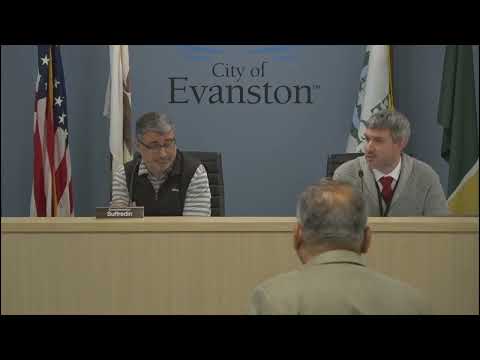
The Finance and Budget Committee on Thursday recommended that City Council adopt a set of changes to solid-waste fees designed to shore up the enterprise fund and expand food- and yard-waste collection.
The committee voted to forward the proposal by a 6-1 roll call (Council member Kelly opposed). The motion recommends adopting a $7-per-month charge for year‑round food-and-yard-waste cart service, raising sticker fees to $2.50, instituting a $1-per-unit monthly charge for special bulk/unscheduled pickup services, offering 35‑ and 95‑gallon compost-cart options, and modestly increasing some cart rates (including moving the 65‑gallon garbage cart from $11.93 to $14). The committee also asked staff to pursue implementation details and resident outreach before the change is introduced to the full council.
Why it matters: Public Works staff say the solid-waste enterprise fund operates at a structural deficit and receives a property-tax subsidy; the fee changes are intended to reduce reliance on that subsidy and to help the fund reach self‑sufficiency over time while increasing diversion of organic waste from landfill.
Brian Zimmerman, Solid Waste Coordinator in the Public Works Department, told the committee the fund "is a fund that is currently in a structural deficit" and described several drivers: new contract haul rates that take effect Nov. 1, pending labor-contract increases, multi-year delays on vehicle purchases, and unfilled staff positions.…
Already have an account? Log in
Subscribe to keep reading
Unlock the rest of this article — and every article on Citizen Portal.
- Unlimited articles
- AI-powered breakdowns of topics, speakers, decisions, and budgets
- Instant alerts when your location has a new meeting
- Follow topics and more locations
- 1,000 AI Insights / month, plus AI Chat