Get Full Government Meeting Transcripts, Videos, & Alerts Forever!
Get email alerts on the Employee Benefits topic
No spam. Unsubscribe anytime.
Board reviews proposed changes to self‑funded employee health plan; workshop proceeds without vote
Summary
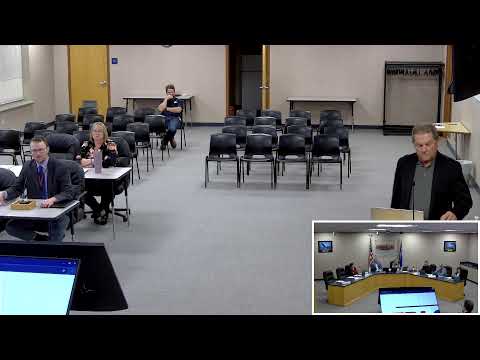
At a workshop following the regular meeting, district staff and benefits consultants outlined a proposal that would raise premiums and change plan design to stabilize the district’s self‑funded health plan; no board action was taken and staff said a vote may be requested at the Oct. 27 meeting.
District staff and benefits advisers presented a set of recommended changes to the Fond du Lac School District’s self‑funded employee health plan at a board workshop; the board discussed the recommendations and did not take formal action.
USI agent Jay Scott and district finance staff outlined a two‑part approach to restore financial stability to the self‑funded plan: raise premium revenue and change plan design to introduce more “consumerism” into care. Staff said claims have been running near 100 percent of premium and reserves are insufficient to cover volatility without adjustments.
Key elements presented (as described by staff and the consultant): - Premiums: staff proposed a 7 percent premium increase to employee rates (district presented per‑paycheck impact examples). Staff said a higher premium‑only increase would be an alternative but would require a larger employee‑rate increase to maintain plan solvency. - Deductible and out‑of‑pocket: the plan’s per‑person deductible would remain at $1,000 (family $2,000), but the overall out‑of‑pocket maximum would increase to $4,500 for single coverage and $9,000 for family coverage; prescription‑drug cost sharing would be integrated into the medical out‑of‑pocket maximum (previously a separate prescription out‑of‑pocket ceiling existed). - Coinsurance and copays: after the deductible the plan would pay 90 percent and the participant 10 percent (previously the plan covered 100 percent after deductible for many services). Several common office visit co‑pays (primary care, specialist, urgent care) would be converted to deductible/coinsurance to encourage use of no‑cost options the district already offers (employee clinic, telehealth). - Preventive care and employee clinic: preventive and wellness visits would remain covered at 100 percent; the district’s employee health clinic and telehealth services would continue to be offered at no charge. - Wellness incentive: staff reiterated a wellness requirement tied to a lower employee premium share (the district requires an annual primary‑care wellness exam for employees/covered adult spouse to receive the lower premium share in the plan design presented). - Implementation timing and enrollment: staff proposed the changes to be effective Jan. 1, 2026, and said the district’s active open enrollment is planned for Nov. 1–16; drafts of educational materials (Brainshark voice‑over presentation and FAQ) would be provided to employees and included in the online open‑enrollment platform.
Staff emphasized that the combination of a modest premium increase and benefit design changes was intended to stabilize the plan while preserving high‑value features such as the employee clinic, telehealth and prescription support programs. They also emphasized options for members to manage out‑of‑pocket risk, including participation in the flexible spending account (staff cited the 2026 FSA limit of $3,400). The district’s business office said it could provide members with personalized claim histories and education during open enrollment.
No vote: the board did not vote on the proposed changes at the workshop. Staff said they will return with final numbers and a recommendation to the board at the Oct. 27 meeting; if the board requests more time the district could delay open enrollment, though staff noted timing constraints because plan deductibles, rates and benefit materials must be in place for Jan. 1 coverage.
Ending: board members asked for clearer, example‑based materials showing how the design change would affect common household scenarios (employee only; family with chronic claims; example specialist visits) and for robust open‑enrollment education. Staff said they will prepare FAQs, an online required presentation and staffed in‑person support sessions during enrollment.