Get Full Government Meeting Transcripts, Videos, & Alerts Forever!
Get email alerts on the Student Cell Phone Policy topic
No spam. Unsubscribe anytime.
CHSD 94 implements building‑wide cell phone policy; students report increased engagement, raise emergency concerns
Summary
District requires students to place phones in classroom storage; staff described three classroom storage options and students and parents reported more interaction but asked for consistent enforcement and clarified emergency procedures.
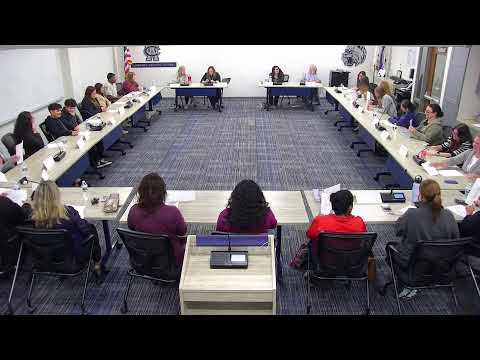
Community High School District 94 staff said the district implemented a building‑wide cell phone storage policy for the 2024–25 school year that requires students to deposit phones when they enter class. The Parent Teacher Advisory Committee discussed the policy, student experiences and emergency procedures at its Oct. 15 meeting.
Jenna Winton, director of culture and climate, said staff provided families with letters, videos and classroom options and that teachers were offered up to three storage solutions: a wall shoe‑rack style holder by the door, desk‑based holders with assigned numbers, or locker‑style storage. "Students are now required to turn in their phone when they enter the classroom," Winton said. She said informal feedback showed students were more focused and had "stronger peer interactions."
Students told the committee they felt more engaged. One student said the policy "has made me feel like I can get more done throughout the day. I feel more productive when I don't have my phone on me." Another student said classes felt "less awkward" when everyone followed the same rule.
Parents and some students raised emergency concerns: several recounted an incident in which the bell sounded and classroom teachers allowed students to retrieve phones briefly to check on parents or information. Winton and others said teachers should make judgment calls in emergencies and that arrangements exist for teachers to allow students to access phones if needed. One parent said she trusted school staff to notify families during emergencies and preferred not to receive an immediate text from a child.
Students and parents asked for consistent, schoolwide enforcement. Committee members noted variations by subject: some elective teachers enforce the policy less strictly than core academic teachers. Students described workarounds (e.g., two phones, hiding phones in cases) and estimated enforcement was about "90%" consistent across classes.
Winton said the policy also aimed to reduce phone use in bathrooms and limit bullying and recording in unsupervised areas. She said the district provided staff options so students see consistent expectations across periods and that the district would continue to adjust training and communication. "We do want students to be paying attention ... and get the information," she said.
The committee suggested continued student input on enforcement, clearer emergency guidance for when phones may be accessed, and wider communication to families about expectations and procedures.