Get Full Government Meeting Transcripts, Videos, & Alerts Forever!
Get email alerts on the Indigenous History topic
No spam. Unsubscribe anytime.
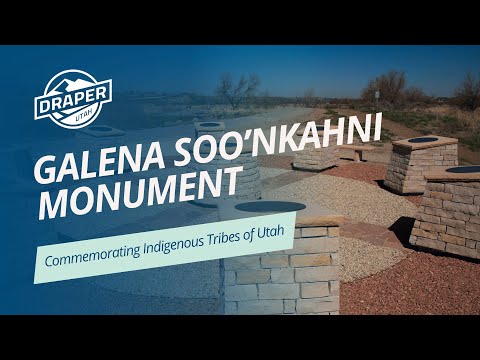
Officials, archaeologist describe cultural importance of Galena site in Draper City
Summary
State and tribal representatives described the Galena site's archaeological importance, its ties to Ute, Shoshone and Goshute peoples, and ongoing stewardship and interpretation efforts, including tribal consultation on interpretive panels and monitoring through Utah's cultural site stewardship program.
At a presentation at the Galena site in Draper City, James Toledo, deputy director for the Utah Division of Indian Affairs, and Ian Wright, public archaeologist for the State Historic Preservation Office, said the site documents millennia of Indigenous presence on the Salt Lake Valley landscape and offers public education opportunities.
"Hi. I'm James Toledo, the deputy director for the Utah Division of Indian Affairs, and we're here at the Galena site, here in Draper City, and we're just gonna share a little bit more information about the significance of the site, its connection to native peoples in the area," Toledo said.
Ian Wright said the archaeological context at the site is notable and called it a resource for Utah communities. "My name is Ian Wright. I'm public archeologist for the State Historic Preservation Office. And I'm excited to tell you a little about the Sukhani site here today that we're at. The archeology context out here really is incredible. And this is an amazing resource for the communities and the peoples of Utah," Wright said.
Speakers described the site as part of a long human record in the region: Wright said Utah's archaeological record shows "over 13,000 years of human history" and that the Galena site includes evidence of people living there between about 3,000 and 1,600 years ago, a span he identified as the late archaic period when people began forming more permanent communities. The meeting transcript also records a presenter saying, "Suikani means mini dwellings or mini homes in Shoshone," and that the site is unusual for the Wasatch Front for containing structural remains such as pit houses.
Presenters linked the site to broader patterns of travel and trade across what is now Utah: "For thousands of years, Utah has been known as the crossroads of the West," Toledo said, noting that some modern roads follow older Indigenous trails. They also described the Galena site's location on bluffs above a river as providing water and fertile soil that supported farming in the past.
Wright and Toledo said efforts to interpret and preserve the site have included tribal consultation and public stewardship. According to the transcript, the interpretive panels at the site "were developed, by, with consultation with each tribe," and the site was dedicated in 2014 by then-Governor Gary Herbert in coordination with Utah Transit Authority, tribal partners and state agencies. The presenters said the Galena site is monitored by the Utah cultural site stewardship program and that volunteers check the site for damage or change; visitors were asked to treat the area respectfully because many tribes consider it sacred and it is home to ancestors.
No formal votes or policy actions were recorded in the provided transcript excerpt. The presenters framed the remarks as informational and stewardship-focused rather than as requests for immediate city or state action.
The presentations combined archaeological findings (dates, structural remains) with cultural context (tribal ties, ongoing monitoring and tribal consultation) and emphasized the site's value for public education about Indigenous history in the Salt Lake Valley.