Get Full Government Meeting Transcripts, Videos, & Alerts Forever!
Get email alerts on the Human Resources topic
No spam. Unsubscribe anytime.
Board debates districtwide elementary meeting schedule after contract restores 105 minutes of administratively directed time
Summary
Following ratification of a collective bargaining agreement, administration implemented a consistent districtwide schedule for 105 minutes of administratively directed time on Tuesdays and Wednesdays for elementary teachers. Board members debated the change after teachers raised concerns about canceled after‑school clubs, childcare conflicts and a
The Naperville CUSD 203 Board of Education on Oct. 6 discussed the district’s implementation of 105 minutes of administratively directed time for elementary teachers—language restored in the district’s recently ratified collective bargaining agreement with the Naperville Unit Education Association (NUEA).
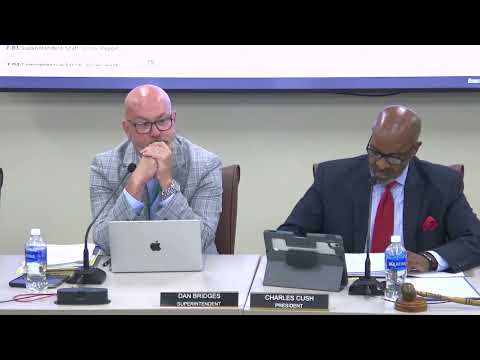
Superintendent Dan Bridges said the district and NUEA “went back to book” and returned the 105 minutes to the teacher workday language in the contract. After ratification, administration worked with elementary principals to create a consistent districtwide schedule for that time (district materials cited Tuesdays and Wednesdays). Bridges said the intent is equity and clarity across schools, to ensure protected, consistent time for professional learning communities and cross‑school collaboration.
Several board members raised concerns from teachers and parents. Amanda McMillan and Melissa Kelly Black said they had received emails from elementary staff who said preexisting after‑school activities (student clubs, social‑emotional programs, teacher‑led enrichment such as Dungeons & Dragons) were being canceled because staff who ran those programs now have meeting obligations. Board members described scheduling conflicts for teachers with child‑care or medical appointments that were booked months in advance and urged administration and principals to make temporary accommodations.
Bridges and other administrators said the meetings themselves are not new and that the district sought consistency because practices varied across schools. He said principals were asked to work with individual teachers to find alternatives, other meeting days or times, or short‑term accommodations so that student activities and staff needs can be preserved where possible. Board members discussed whether the district should delay implementation for this school year and allow principals to continue local scheduling until next year; administrators said the district built a short transition period and district leadership will accept case‑by‑case accommodations during the rollout. Several board members said the timing was disruptive but emphasized the language was negotiated and ratified by the union membership (superintendent said the ratification vote was “over 80%”).
Board members also discussed ownership of meeting topics. Bridges and principals said buildings retain discretion over meeting agendas (school‑owned use of the time) while the district expects the consistent schedule to enable cross‑building collaboration when appropriate. Several board members asked the administration to keep the schedule under review over the coming year and to report back on accommodations and impacts.
Why it matters: the rollout affects elementary teachers’ schedules and after‑school student programming across the district. Board members said they heard concerns from staff that implementation timing disrupted already‑planned activities and personal obligations; administration said it will allow temporary accommodations and expects principals to work with staff to preserve student opportunities where possible.
Next steps: administration will continue to work with principals and staff to identify accommodations for conflicts created by the new schedule. The board asked staff to monitor the rollout and consider feedback for next‑year scheduling decisions.