
Crow Wing County approves no‑cost DHS pilot to strengthen jail mental‑health practices; commissioners seek safeguards
Get AI-powered insights, summaries, and transcripts
Sign Up Free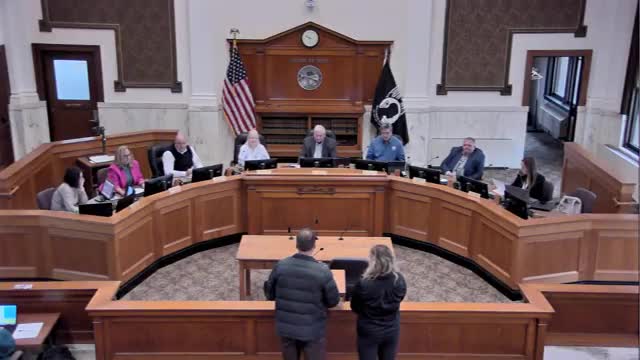
Summary
The county board approved a two‑year joint powers agreement with Minnesota DHS to pilot forensic mental‑health support in the jail. County leaders pressed for clarity on involuntary injectable medications, recordkeeping, staff capacity and long‑term costs despite the state saying the pilot carries no county financial obligation.
Crow Wing County commissioners voted Oct. 14 to enter a two‑year joint powers agreement (JPA) with the Minnesota Department of Human Services to pilot state forensic mental‑health assistance at the county jail.
Sheriff’s Office leadership described the program as a technical assistance and training partnership that will bring DHS forensic psychiatrists, nurses, social workers and pharmacists into the jail setting to help assess and treat inmates with serious mental‑health needs. “This is a no cost partnership. I repeat, there's no financial obligation to the county,” the sheriff told the board.
Program elements and county concerns
County staff said the DHS pilot focuses on staff education, policy review and clinical consultation, particularly for inmates who may require involuntary or injectable psychiatric medications. Anna Anderson, the jail mental‑health worker, told commissioners that the jail currently does not offer involuntary injectable medications and that when injectable drugs are procured for inmates who already receive them, the county has paid upfront pharmacy costs that can run “anywhere from 1 to $4,000,” depending on the medication.
Commissioners asked how decisions would be made to administer involuntary medications, who would prescribe them and how records would be tracked. County staff and DHS, officials said, expect medical providers to be involved and that the pilot will include guidance on documentation and reporting. County staff also noted the jail’s new electronic medical records system will help with recordkeeping.
Several commissioners voiced caution about shifting more mental‑health responsibilities to county jails and about potential unfunded costs if a pilot expands in scope. Commissioners also said they want clear protocols and judicial safeguards before any program components that involve involuntary medication are used.
Board action
A motion to approve the JPA was made and seconded; the board voted to approve the agreement and proceed with the pilot. County staff said DHS will work with local personnel on training and implementation steps.
What’s next
County staff will coordinate implementation details with DHS, including training for jail clinicians and clarification of prescribing and documentation processes. Commissioners asked county administration to monitor staffing impacts and any future financial implications and to report back to the board as the pilot proceeds.
Provenance: discussion and vote recorded beginning at transcript block 3222.9 (sheriff introduction) and concluding with the approval statement at block 3887.825.