Get Full Government Meeting Transcripts, Videos, & Alerts Forever!
Get email alerts on the Awardee Reports Harm Reduction topic
No spam. Unsubscribe anytime.
Local providers describe harm-reduction, peer support, housing and transportation services funded by county opioid dollars
Summary
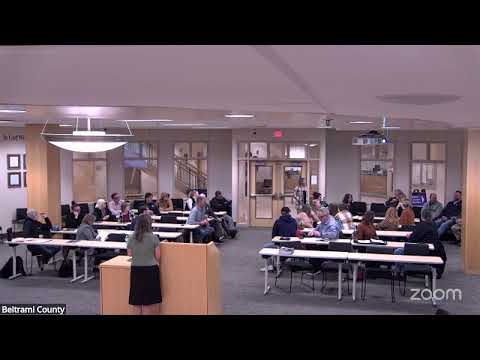
Representatives of local organizations that received Beltrami County opioid-settlement awards described on-the-ground uses of funding, including shelter operations, harm-reduction supplies, peer support and transportation.
Representatives of local organizations that received Beltrami County opioid-settlement awards described on-the-ground uses of funding at a community session in Bemidji, citing harm-reduction supplies, transportation and peer support, staff training and follow-up case management as primary uses.
"We haven't received any of the funds yet, so I haven't used any of it. We have spent the money that we hope to be reimbursed for," said Bridal Olsen, identifying herself as executive director of the Nameless Coalition for the Homeless. Olsen said the coalition operates two shelters — an overnight emergency Wolf Shelter with 24 beds and a day shelter in the former Upper Mississippi Mental Health Center — and that the funds are helping to sustain staffing and operations as other funding sources dwindle. Olsen reported about 259 unique individuals visited their shelters in the most recent quarter; she said about five or six people moved into housing and a similar number entered treatment in that period.
David Erickson of Stellar Human Services described uses for peer support and transportation. Erickson said Stellar funded harm-reduction training and carried out about 30–45 substance-use assessments in the first part of 2025 for people without other funding. Peer specialist Benji (Benjie) Whaley described outreach and transportation work that included taking clients to assessments and inpatient treatment and conducting weekly outreach at the homeless day center; Erickson called the peer position "our biggest success."
Lindsay Pryor, executive director of Village of Hope family shelter, said funding paid for staff training in motivational interviewing and trauma-informed approaches and supported follow-up case management for families after the typical 60-day shelter stay. Pryor emphasized collaboration with other local providers and credited peer-driven transportation for preventing missed appointments.
Matt Lapis spoke on behalf of North Homes (introduced on short notice) and said his program used funds for direct client assistance (driver's license reinstatement, screening and assessment costs), community recovery events, youth programming and plans to implement Hazelden’s Matrix Model outpatient treatment curriculum. Face It Together had been awarded funds but had not yet begun spending, county staff said. The county fire department is using roughly $4,000 to train its full-time staff in enhanced response and planned a train-the-trainer model to share the training countywide.
Speakers repeatedly cited housing and transportation as major barriers to recovery and stability and described how peer support and harm-reduction supplies can keep people alive and connected to services. Several providers said the funding is sustaining operations at a time when other sources have tightened.
"Without Narcan, without fentanyl test strips, we're gonna see a lot more deaths in our community," Olsen said, describing the coalition's harm-reduction approach. County staff and providers highlighted collaboration across agencies and the difficulty of serving people with severe, untreated mental illness alongside those needing housing or recovery supports.