
Committee adopts 3‑strikes amendment to interference-with-custody bill, advances measure 9‑7
Get AI-powered insights, summaries, and transcripts
Sign Up Free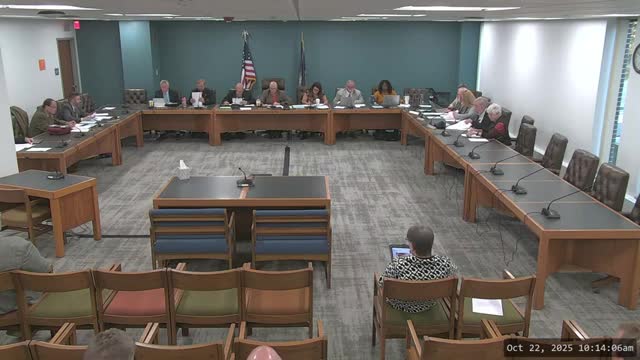
Summary
After extended debate about criminalizing custody disputes, the committee approved an amendment that imposes fines for first and second offences and a class B felony on a third offense, then voted to pass HB194 as amended.
The House Criminal Justice and Public Safety Committee on Wednesday adopted a three‑strikes amendment to HB194, a bill that criminalizes interference with custody, and then voted to report the bill to the floor as amended.
Under the amendment the committee approved, the first and second violations would be civil penalties: a $500 fine per offense payable to the municipality. A third or subsequent violation committed within the state would be a class B felony under state criminal law.
Why it matters: Legislators debated competing concerns — the trauma to children from repeated custody interference versus the risk of criminalizing emotionally fraught family disputes. Supporters said repeated, deliberate interference warrants stronger penalties; opponents said such disputes are messy and better handled civilly through contempt proceedings or family court.
Key testimony and positions: Several committee members spoke about the emotional complexity of custody disputes and the potential harms of putting a parent on a criminal track. Representative Sher argued against criminalization, saying police can and should be trained to address custody scenes and that contempt proceedings in family court can address violations without immediate criminal penalties.
Representative Prueck and other supporters countered that a graduated response — fines followed by felony consequences on a third offense — would give parents a chance to correct behavior while preserving a strong deterrent for repeat offenders. Representative Muse warned that class B felonies often affect women disproportionately and highlighted the need for data about the number of incidents that would meet the felony threshold.
Action taken: The committee adopted the three‑strikes amendment (recorded roll-call vote: 9 yes, 7 no) and then voted to pass HB194 as amended by the same margin. The committee report will move the bill to the House calendar.
Background: RSA 633:4 (endangering child or interference with custody statutes) was discussed by witnesses and members; some testified that the current misdemeanor and contempt pathways are insufficient in recurring cases. A member of the public, Gail Drobat of Amherst, urged the committee to adopt stronger enforcement to protect children who, she said, can fall ‘‘through the cracks’’ under current practices.
Next steps: HB194 moves to the House floor with the committee recommendation to pass as amended; prosecutorial discretion remains and county attorneys would determine whether felony charges are appropriate in individual cases.