Get Full Government Meeting Transcripts, Videos, & Alerts Forever!
Get email alerts on the Transportation 11200 Connector topic
No spam. Unsubscribe anytime.
Highland council removes 11200 North connector from transportation plan, directs trail and right-of-way vacation
Summary
After hours of public comment and technical briefing, the Highland City Council voted 3-2 to remove the 11200 North connector from the transportation master plan, begin vacating the right of way and pursue a trail with landscaping rather than a through street.
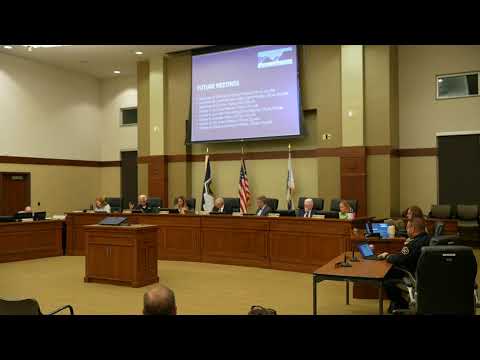
At a Highland City Council meeting, members voted 3-2 to remove the 11200 North connector from the city's transportation master plan, start the legal process to vacate the right of way and direct staff to design a trail and landscaping for the corridor.
The action followed a staff presentation from Rob Patterson, the city attorney and planning and zoning administrator, and engineering input from Chris Trustee, the city engineer. Patterson told the council staff had developed four options: a 10-foot trail, a limited emergency egress with sidewalk, a narrow 20-foot public street, or doing nothing. "We have come up with 4 options," Patterson said as he introduced cost and funding constraints.
The council's decision came after nearly two hours of public comment. Dozens of residents said they opposed a through road for safety and neighborhood character reasons. "No one in the neighborhood wants a road there," said James Sampson, a nearby resident during the public comment period. Several speakers urged keeping the corridor as open space or a trail and using landscaping and bollards to prevent regular traffic.
Fire department staff also spoke. Jake, a Highland fire representative, said emergency services prefer full access but acknowledged such routes would be used only rarely. "From the fire department's perspective, we prefer a full access," Jake told the council, while adding that emergency apparatus would likely avoid bollarded routes because of the time needed to pass them.
Staff emphasized funding and legal limits on how the city can use impact fee money. Patterson noted the city has collected road impact fees earmarked for system connections and that those funds generally must be used for public road projects or be refunded. "Impact fees need to be spent or encumbered within six years of being collected," Patterson said; staff and several council members raised the potential obligation to refund fees if the council removed the project from the facilities plan.
Councilmember Doug moved the measure to remove the corridor from the transportation plan, begin vacating the right of way, and direct staff to prepare design and landscaping plans; Councilmember Scott seconded. The motion passed 3-2. Council members who supported the motion said the corridor does not function as a collector and that a landscaped trail better matched the neighborhood and emergency-access needs; opponents argued for an emergency-access classification or preserving flexibility for future connectivity.
The vote instructs staff to draft detailed plans for a trail and landscaping and to begin the legal steps for a right-of-way vacation while retaining the city's ability to preserve utility access. Staff told the council they will return with design details, cost estimates and any funding implications; council members said design and any construction would be prioritized in future budget discussions.
The action affects the general plan map and how the city lists the corridor in its facilities plan; staff said removing the connector would likely trigger review of impact-fee allocations and could require refunding road impact fees if no alternative eligible project is identified.
What comes next: staff will prepare design documents and a formal right-of-way vacation process, including title and easement reviews and public notices. Council members suggested limited enhancements such as bollards or enhanced landscaping to preserve emergency access without creating a new through-street.
Stakeholders who spoke included nearby residents and multiple council members; staff stressed the decision is intended to align the general plan with community preferences and funding realities.