Yamhill planning commission backs downtown design work, staff to contact SHPO and pursue grants
Loading...
Summary
Commissioners asked staff to pursue a limited historic-resources survey for the downtown, to explore grants and technical assistance, and to use a community-designed downtown template as a starting point for local design standards.
The City of Yamhill Planning Commission directed staff to pursue a focused historic-resources analysis of the downtown and to explore grants and technical-assistance opportunities to support a downtown design-code effort.
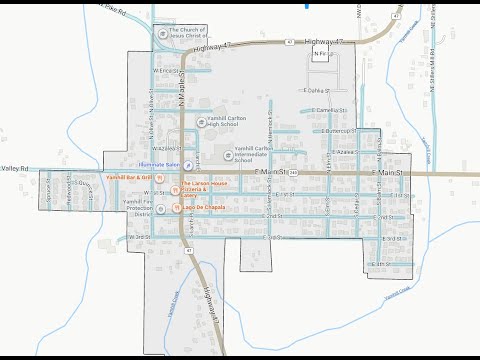
Walt, the planning staff member who reviewed options, told the commission a local historic district could be established by ordinance and that a more limited survey of the Central Business District (CBD) would help the city decide whether to pursue a local district, state listing, or to proceed directly with design standards. He recommended contacting the State Historic Preservation Office (SHPO) to explore grants and available technical assistance.
“The historical review almost precedes anything we’d like to do on design,” Walt said, adding that SHPO offers grants and that a targeted survey of buildings in the downtown could identify candidates for preservation and inform design guidelines. Walt proposed staff contact SHPO and report back with options and potential grants or internships to do an initial survey.
Members of the economic development committee and the downtown association presented a downtown design-code template they described as the result of several months of work. Steve, who said he sits on the economic development committee, described the document as “the distilled aspect of it… a starting point that has to be built on as we go along,” and urged staff and commissioners to use the template as a basis for drafting local design standards.
Commissioners discussed whether the historic-district boundary should exactly match the CBD or might include noncontiguous “islands” of historic properties; Walt said the November SHPO webinar and follow-up consultation would clarify allowable configurations and next steps. Commissioners emphasized keeping the city’s agricultural history in mind when drafting design standards.
The commission heard about grant opportunities during the discussion. A participant noted a local grant program described in the meeting as “Safe Schools Safe Streets for Schools” with roughly $50,000 available to support design work and pedestrian-safety elements; Walt also highlighted SHPO and potential DLCD technical-assistance grants as sources of funding. Commissioners encouraged staff to identify potential funding and to pursue technical assistance and grant applications as appropriate.
Walt said he would compile design materials used by other small communities and prepare a short memo for the commission at the next meeting outlining SHPO options, possible grants, and a recommended path to create a locally tailored downtown design code. Commissioners agreed and asked staff to proceed.
No formal ordinance was adopted; commissioners directed staff to take preparatory steps — contacting SHPO, compiling model design codes, and scoping a targeted historic survey — to inform later ordinance drafting and any grant applications.