Get Full Government Meeting Transcripts, Videos, & Alerts Forever!
Get email alerts on the Land Use Data Centers topic
No spam. Unsubscribe anytime.
Residents urge caution on proposed data center projects, cite water, transparency and land-use concerns
Summary
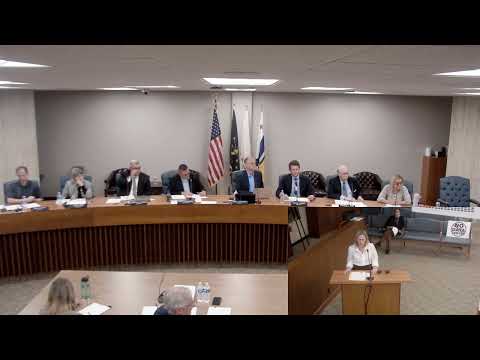
Dozens of residents and experts used the public-comment period at the Oct. 14 St. Joseph County Council meeting to urge caution on further large data-center development, saying the county lacks enough public information about water use, energy demand, tax agreements and the identity and plans of potential developers.
Dozens of residents and experts used the public-comment period at the Oct. 14 St. Joseph County Council meeting to urge caution on further large data-center development, saying the county lacks enough public information about water use, energy demand, tax agreements and the identity and plans of potential developers.
The council acknowledged that a proposed rezoning for a third data center north of New Carlisle was not on that night's agenda, but public concern about the project and the county's handling of data-center development dominated the privilege-of-the-floor remarks.
"Let them those projects be up and fully operating and determine how much water is in the aquifer ... whether we can support another project," Dan Caruso of New Carlisle said, urging the council not to approve additional large projects while the county is still assessing the effects of existing developments. "But until we do that and you keep expanding, we don't know what resources are gonna be left for anybody else."
Several commenters, including Jan Cervelli, a local academic, criticized the lack of public detail and said project proposals were "thin on important details." "I would have given it an F," Cervelli said of a developer presentation to the Area Plan Commission, adding that nondisclosure agreements (NDAs) and undisclosed development agreements can stifle public input.
Residents raised three recurring concerns: water use and risks to local aquifers (several speakers noted the headwaters of the Kankakee River lie in the area), the county's use of NDAs or limited public disclosure for proposed projects, and the loss of farmland and scenic character if large-scale campuses are sited in agricultural areas.
Other speakers pointed to fiscal questions: whether tax abatements or incentives granted to large data companies yield long-term tax benefits for the county, and whether permanent local employment from such campuses justifies infrastructure and environmental costs. "This produces construction jobs. When the construction of the data center is done, those jobs go away," resident Gene Tetovec said.
Council members responded during and after the public comment period. Councilman Catanzarite said the county had commissioned studies of water usage for the Amazon project and that, in the council's view, the studies showed the project would not come close to using the full capacity of the aquifer. He also said the developer of a pending project has been publicly identified as WHP.
No rezoning for a third data center was voted on at the meeting; the council indicated the matter would be considered in committee later in the month.
Ending Speakers asked the council to require clearer water and energy limits, to disclose development agreements and abatement terms when public dollars or long-term commitments are involved, and to follow local comprehensive-plan guidance for agricultural areas. The council set committee review of data-center proposals for a future meeting.