Get Full Government Meeting Transcripts, Videos, & Alerts Forever!
Get email alerts on the Animal Regulation Zoning topic
No spam. Unsubscribe anytime.
Riverwoods planning commission reviews proposed changes to horse-keeping rules
Summary
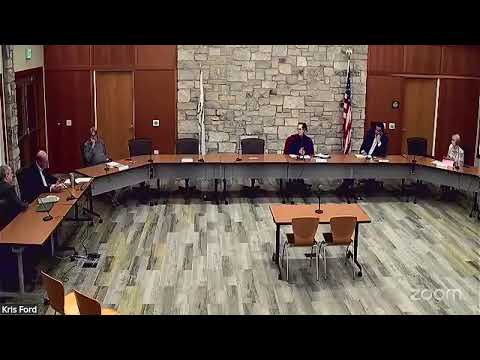
The Riverwoods Planning Commission discussed a staff-drafted text amendment to the village code on Oct. 16 addressing the keeping and breeding of horses after a resident asked to keep two mini horses on a lot in the Riverwood subdivision.
The Riverwoods Planning Commission discussed a staff-drafted text amendment to the village code on Oct. 16 addressing the keeping and breeding of horses after a resident asked to keep two mini horses on a lot in the Riverwood subdivision.
Director Witt told the commission that the village's existing ordinance dates to 1962 and includes a large-lot minimum for keeping equine animals. "A mini horse is essentially a horse that's no taller than 36 inches to the last hair on the mane ... and weigh no more than 350 pounds," Director Witt said, describing the animal the resident seeks to keep. He said the code also treats equine animals to include donkeys and burros, which raises noise and nuisance concerns for neighbors.
The commission discussed how the ordinance treats lot area and easements. Witt said the ordinance's lot-size minimum must be calculated exclusive of roadway easements; after removing easements the staff initially believed the applicant's parcel would fall below the existing threshold but later said the parcel "is over the 70,000" square-foot mark when measured for the relevant standard. Commissioners and staff agreed the ordinance language and the exact minimum used in practice need clarification in any amendment.
Commissioners pressed staff on environmental protections and on operational limits. Witt said the draft would add requirements to keep animals away from wetland buffer zones and woodland root zones and that required fences would have to prevent animals from accessing those sensitive areas; the existing code already specifies a 60-foot setback for fencing from property lines. The draft would also include a shelter requirement sized to serve the number of animals on a lot.
Several commissioners raised questions about breeding and commercial uses. Commissioner Romanelli asked whether the code separately addresses breeding; Witt said the current zoning treats "keeping" and "breeding" under the same use category and that the commission should consider whether the ordinance needs a specific breeding provision and a compliance timetable if an unplanned litter appears. Commissioner Brown suggested looking to outside animal-welfare organizations and larger neighboring jurisdictions for lessons on boarding, end-of-life care and other long-term obligations; Brown also said his family business is involved in training, racing and breeding thoroughbreds, and he urged the commission to consider distinct needs for different types of equines.
Commissioners also discussed the line between keeping animals as household pets and operating a boarding or breeding business. Witt said the village's residential zoning does not currently permit commercial boarding uses without changes to the code and that the proposed amendment is focused on the keeping of animals rather than creating a pathway for on-site commercial operations.
Next steps: Witt said staff and the village attorney (Attorney Hoover) will continue refining the draft to address the commission's questions, research how nearby communities regulate larger-scale equine uses, and bring an amended text amendment back for publication and a formal public hearing. Witt told the commission he expected the staff and attorney to continue work "within the next week or two" before formal notice would be published.
The commission did not take formal action on an amendment at the Oct. 16 meeting; members provided direction to staff and asked for additional analysis and clearer draft language addressing lot-area calculations, breeding, environmental buffers and the difference between pet and commercial uses.