Trumbull County reviews transit funding, Medicaid wheelchair transport and proposed ODOT procurement policy updates
Loading...
Summary
County officials and transit staff reviewed ridership gains, funding gaps, confusion over Medicaid wheelchair transport, and a proposed update to the county's transit procurement policy tied to ODOT 5310 requirements; legal review and vendor contract changes remain pending.
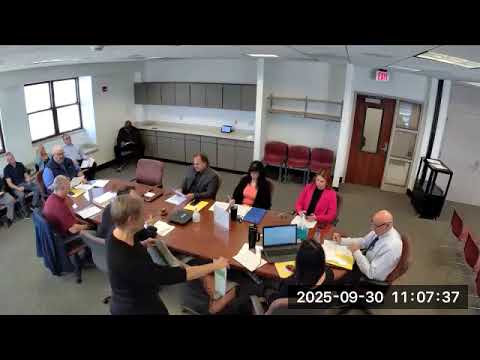
Commissioner Malloy and county transit officials on the record Tuesday reviewed rising ridership, funding strains on specialized transportation, and a proposed amendment to the county's transit procurement policy to reflect ODOT 5310 requirements.
The county's transit report, presented by Mike Sale, showed ridership through Aug. 31 at about 27,983 trips, up roughly 1,655 from a year earlier, and projected to reach about 42,000 trips for the year. Sale said about 70% of trips are for seniors and that the closing of a local contractor's operation will likely shift additional Title 20 clients to the county's provider list.
County staff and Job and Family Services (JFS) officials described confusion about who should arrange and pay for non-emergency medical transportation (NEMT) services for Medicaid recipients, particularly wheelchair transport. Melissa Binion of Trumbull County JFS said Medicaid covers wheelchair transport through managed-care providers and maintains a list of contracted vendors: "They're already being paid for that service," Binion said, adding she can share the state providers' contact list with county staff.
Binion and transit staff said JFS workers who handle eligibility and the separate transportation unit do not always coordinate, so some wheelchair users have contacted the transit system rather than their managed-care organization. Binion urged improved coordination and said some referrals can be handled the same day when the managed-care vendor is contacted.
On procurement policy, transit staff sought to amend the county's transit procurement policy to reflect updated ODOT template language and to require vendors to complete annual Title VI and Americans with Disabilities Act training. Bill Danso of the prosecutor's office said much of the draft was policy rather than legal work and recommended the commissioners and transit to finalize policy decisions so legal can complete a compliance review. Danso noted the statutory competitive-bidding threshold is governed by the Ohio Revised Code and is adjusted annually.
Commissioners and staff agreed further review is needed before any formal contract amendments. Commissioner Bernard said he preferred to wait for the prosecutor's final input and for staff to confirm whether existing vendor contracts already incorporate ODOT and FTA compliance language.
The county also discussed recent grant changes: staff reported an executed ODOT 5310 grant (fiscal year July 2025'June 30, 2026) with award amount $436,162, about $120,000 less than the prior year.
Looking ahead, transit staff said Eastgate's coordinated transportation plan may be presented to the regional board for approval in December; staff asked that a commissioner attend if possible to hear the plan details.
Ending: Commissioners requested clearer coordination with JFS and further legal review of procurement thresholds and contract amendments before the item returns to the agenda.