Get Full Government Meeting Transcripts, Videos, & Alerts Forever!
Get email alerts on the Local History topic
No spam. Unsubscribe anytime.
Cary House reopens for Chelsea 250 with staged reading on 1775 Battle of Chelsea Creek
Summary
The Governor Bellingham Cary House reopened as part of Chelsea’s 250th celebration for a staged reading, “Letters from Chelsea,” that traced the town’s role in the May 1775 Battle of Chelsea Creek, the capture of the British ship Diana and wartime refugee screening; the city provided funding to support the program (amount not specified).
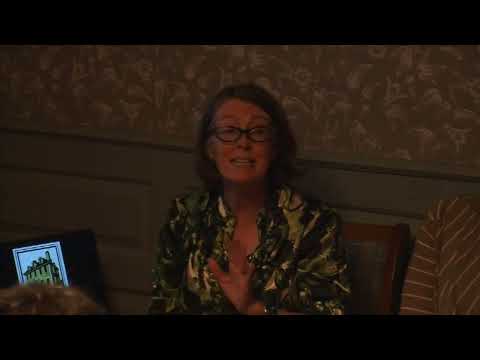
At an event at the Governor Bellingham Cary House held as part of the City of Chelsea’s 250th-anniversary program, organizers reopened the historic house and presented “Letters from Chelsea,” a staged reading and talk that highlighted Chelsea’s role in the May 1775 Battle of Chelsea Creek and the early months of the siege of Boston. The program included historical readings, a cast of local readers and remarks from the city’s arts-and-culture manager.
The program’s organizers said the City of Chelsea provided funding to support reopening the house for the anniversary programming; the amount was not specified. Lourdes Alvarez, arts and culture and creative economy manager for the City of Chelsea, told the audience she had worked closely with event organizer Mimi and thanked volunteers and the house curator for the hours they put into preparing the program. “I’m so happy to be here tonight,” Alvarez said.
The staged reading — delivered by a program narrator and a cast who performed letters, military reports and contemporary accounts from 1775 — summarized how local militia and committees in Chelsea and neighboring towns monitored the harbor, screened refugees arriving from British-held Boston, and took part in actions that led to the grounding and capture of the British ship HMS Diana. The narrator read passages describing militia activity around the Winnesimit (Chelsea) ferry, orders from the Massachusetts Committee of Safety and communications with George Washington’s headquarters in Cambridge.
The program emphasized several points made in the historic documents read aloud: local militia leader Captain Samuel Sprague and his company were central to coastal defense near Chelsea; the HMS Diana ran aground in shallow waters of Chelsea Creek and was stripped of equipment and burned; and town and provisional authorities conducted refugee screening and quarantines amid fears of smallpox. The reading also recounted that three men identified in the records as Cato, Pomp and Jack (enslaved men in an extended household) enlisted and that bounty coats or other forms of payment were recorded in the winter of 1775-76 for some Chelsea soldiers of color.
Presenters read minutes and orders from committee meetings and correspondence attributed to colonial leaders and military officers, including instructions and general orders that Washington and his officers issued to manage pay, discipline and the flow of intelligence from ferry passengers. The narrator read a passage describing the seizure of the Diana and the removal of its mast: “The American rebels boarded the vessel, stripped it of valuable equipment including cannons and ammunition. They removed the mast and carried it ashore before setting the ship on fire.” Those historical passages were read as part of the program rather than presented as newly discovered documents.
Organizers also used the event to preview additional anniversary programming. The Cary House will be open next Saturday during the “Bridal of the Chelsea Creek” celebrations, organizers said; they also described a multi-site city festival at Port Park planned from 11 a.m. to 4 p.m., which will feature a historical schooner, reenactors, a small parade and cannon salutes. The program noted Chelsea Cable is recording events and posting them to YouTube for later viewing.
Speakers and cast members included local volunteers and the house curator; event organizers thanked Rosemary Hughes and other volunteers for producing a new logo for the house and the marketing work that supported the anniversary schedule.
The staged reading framed Chelsea’s wartime activity around three recurring themes found in the documents: defense of the harbor and ferry crossings, humanitarian response to refugees fleeing Boston, and the challenge of provisioning and paying troops. Presenters highlighted that committees of safety and provisional authorities directed local officials to remove livestock from exposed islands, to screen refugees for disease and loyalty, and to erect temporary barracks where necessary — actions the reading said were necessary to support a rapidly expanding Continental Army.
The event was presented as historical interpretation and performance of archival material; presenters said the quotes and dispatches used in the program were taken from period letters and minutes and made available to attendees after the program. The organizers encouraged visitors to continue supporting the house’s programming during the 250th celebration.
Organizers said the event aimed to help Chelsea residents “tell their own story” about the town’s role during the outbreak of hostilities in 1775. The evening closed with thanks to the cast and to Chelsea Cable, and with an invitation to attend the next round of public programming at the Cary House and at the upcoming city festival.