Get Full Government Meeting Transcripts, Videos, & Alerts Forever!
Get email alerts on the Pedestrian Safety topic
No spam. Unsubscribe anytime.
Committee advances bill letting localities use automated systems for pedestrian crossing and stop-sign violations
Summary
Senate Bill 1233 would allow local law enforcement to install automated pedestrian‑crossing and stop‑sign monitoring systems in school zones, work zones and high‑risk intersections; the committee reported the bill 9–5.
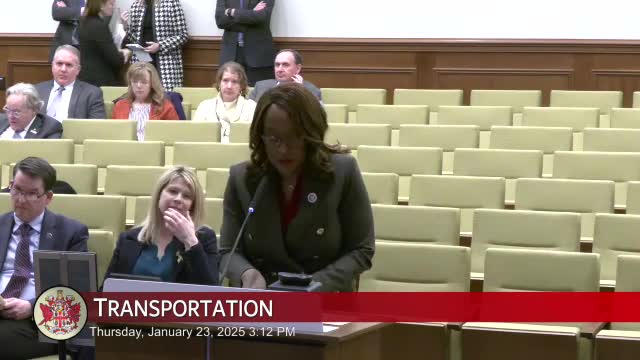
The Senate Committee on Transportation reported Senate Bill 1233 by a 9–5 voice vote after a hearing that drew municipal and advocacy support. The bill would authorize state and local law-enforcement agencies to place and operate automated pedestrian‑crossing and stop‑sign monitoring systems in school crossing zones, highway work zones and identified high‑risk intersection segments. The bill applies the same procedural and evidentiary requirements already used for photo speed monitoring devices, including review by a sworn law-enforcement officer before a civil penalty is issued.
Senator Williams Graves, sponsor of the bill, said the intent is to improve safety in the Commonwealth’s most vulnerable locations and cited Maryland results where stop‑sign violations fell substantially after similar systems were deployed. Local governments including Norfolk, Alexandria, Virginia Beach and Hampton testified in favor; cycling and pedestrian advocates also supported the measure as a tool to protect vulnerable road users.
Committee members asked about vendor motives, revenue uses and how violations would be handled when pedestrians are or are not present. Witnesses and the bill’s backers said the statute would limit camera-generated civil penalties to $100 for automated enforcement (mirroring existing speed-camera statutes), require human review by sworn officers, and include signage and public-awareness requirements prior to deployment. The committee voted to report the bill (ayes 9, noes 5).