Get Full Government Meeting Transcripts, Videos, & Alerts Forever!
Get email alerts on the Arts And Culture topic
No spam. Unsubscribe anytime.
Putnam County lawmakers restore $13,993 for arts regrant program after public debate
Summary
The Rules Committee voted unanimously to move $13,993 from sub‑contingency back into the county budget for the Putnam Arts Council regrant program after a lengthy discussion and public comment both supporting and opposing the funding.
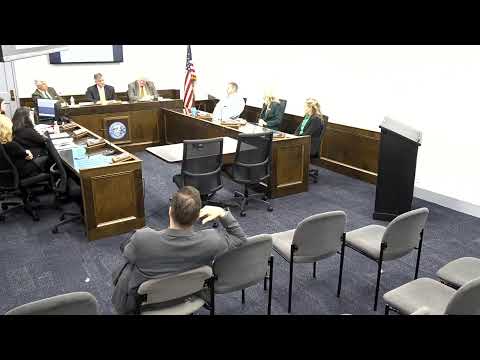
Putnam County Rules Committee voted unanimously Monday night to move $13,993 from sub‑contingency back into the county budget to fund the Putnam Arts Council's community regrant program.
The action, approved by roll call vote during the committee's Feb. 17 meeting, restores a line in the county budget that the arts council uses to distribute small, project‑based grants to nonprofit arts groups across the county. Committee Chair Birmingham announced the vote after extended discussion and a half‑hour of public comment from arts groups and opponents.
The county's regrant program is administered by the Putnam Arts Council; Marybeth Becker, identified in committee as the council's regrant coordinator, described the process to legislators. "What we do is we create an independent panel that reviews applications that come into us," Becker said, explaining that panelists are primarily Putnam County residents and that awards are project‑specific rather than general operating support. Becker said this year's applicant requests totaled about $90,000 and that the county portion under discussion was $13,993.
Supporters who spoke during the public comment period said the grants help small, volunteer‑run groups leverage other funding and bring economic activity to the county. "A show at Brewster Theatre costs over $20,000," said Bob Dumont of the Brewster Theatre Company, noting that county grants are typically a small share of production budgets but help attract audiences and additional sponsors.
Opponents questioned whether county tax dollars are the right source for arts funding given local cost pressures. One resident, identified in the record as Steve, told the committee that public money for arts programs was “spitting in the face of the taxpayers of this County,” citing inflation and high taxes.
Committee members and county staff repeatedly described the council's rules and contracts for county funds. Becker and other council volunteers emphasized requirements that recipients be 501(c)(3) nonprofits, that projects take place in Putnam County and be open to the public, and that grantees return funds if the contracted project does not occur. Becker said awards are typically distributed twice during the year (an initial partial payment followed by the remainder after an interim report).
Chairman Birmingham sought to reassure critics that county tax dollars were not used for the conduct the opponent referenced. "No county tax dollars were spent for the actions you described," Birmingham said during public comment.
The committee vote puts the $13,993 back into the county budget so the Putnam Arts Council can continue its regrant process; the council will present recommended award recipients and amounts at a future meeting for legislative review, staff said.
The restoration was approved by roll call: Legislator Elmer — yes; Legislator Goldman — yes; Chairman Birmingham — yes. The committee recorded the result as unanimous.
Going forward, committee members discussed adding explicit contract language to the county resolution to emphasize that county funds are restricted to the express purpose approved (project‑specific use), a precaution staff and council volunteers said already exists in contracts and guidelines.
The committee hearing featured more than a dozen public speakers from local nonprofit arts organizations and residents who described programming ranging from chamber music and theater to dance and community festivals. Several presenters described the grants as catalytic: small county awards that help groups secure larger foundation or corporate gifts and attract audience spending at restaurants and shops.
The vote to restore the $13,993 was procedural (moving money from sub‑contingency back into the appropriation line for outside agencies) and does not itself finalize individual grants; recipients and award amounts will be recommended by the Putnam Arts Council and reviewed by the legislature in a later step.