Get Full Government Meeting Transcripts, Videos, & Alerts Forever!
Get email alerts on the Agriculture Research Extension topic
No spam. Unsubscribe anytime.
University of Idaho leaders outline agricultural research, extension needs and request viticulture faculty post
Summary
University of Idaho College of Agricultural and Life Sciences leaders told the Joint Finance‑Appropriations Committee Feb. 10 that research and extension programs serve 42 counties and three tribal communities and requested ongoing funding for a viticulture and small‑fruits research faculty line and for building maintenance at the Parma research center.
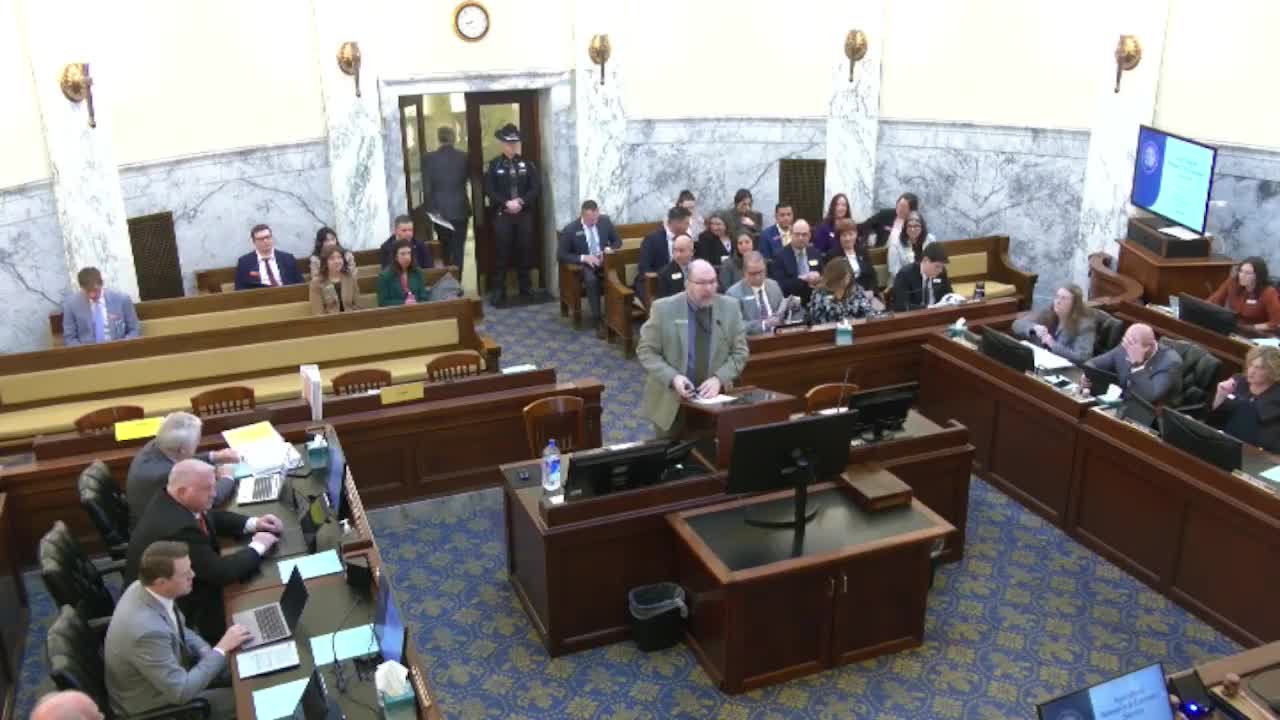
University of Idaho College of Agricultural and Life Sciences (CALS) leaders briefed the Joint Finance‑Appropriations Committee Feb. 10 on the Agricultural Research and Extension Service base budget, recent appropriations and FY2026 requests, and described statewide extension activities and recent facility investments.
Dean Michael Perella, who told the committee he will retire in June after nine years as dean, said the college’s research and extension work reaches 42 of Idaho’s 44 counties and three tribal communities and supports nearly all of the state’s agricultural sectors. He asked legislators to continue supporting investments in facilities and faculty to sustain research, extension and workforce development.
Why it matters: CALS officials told the committee that agricultural research and extension support a broad share of Idaho’s economy and rural communities by advancing crop and livestock production, irrigation and soil health, nutrition work and community programs such as adult computer literacy and 4‑H youth development.
Budget and staffing highlights
Kevin Campbell, a Legislative Services Office analyst, summarized appropriations and spending trends and said the service’s base budget rose roughly $6.2 million from FY2021 to FY2025. Personnel costs account for roughly 81% of the service’s expenditures, with a current FTP of about 341.3.
CALS requested $157,900 ongoing in FY2026 for a viticulture and small fruits research faculty position; the college described the position as intended to address grower needs in disease prevention, water management, pest control and post‑harvest storage. The college also requested $250,100 for part of building maintenance costs at the Idaho Center for Agriculture, Food and the Environment in Parma, a research facility CALS said supports dairy and other industry collaboration.
Extension and rural digital access
Committee members asked about adult computer literacy work funded previously with ARPA dollars. Dean Perella and CALS staff said the extension network provides adult basic‑education and digital‑literacy programs targeted at rural residents, workforce training centers and some Department of Corrections programming. Perella said extension programs recorded more than 450,000 face‑to‑face contacts with Idahoans last year and engaged more than 75,000 youth in 4‑H programming.
Perella and staff also noted that the college has applied for federal broadband/digital literacy funding from a Federal Communications Commission program; they said one competitive national grant round could bring approximately $13 million to a multi‑partner Idaho project if funded.
Questions and follow up
Senator Rose and others asked why extension is running computer literacy programs; Perella replied that extension’s mission includes families and communities as well as production agriculture, and that addressing the digital divide in rural communities falls within extension’s community engagement remit. Several legislators expressed concern about programs started with one‑time federal funds transitioning into ongoing state responsibilities; staff said they would track federal pilot funding and note which efforts would require state continuation.
Other details cited in the hearing
• The Agricultural Experiment Station includes 10 research and extension centers and more than 14,000 acres of research land. • CALS FTP was reported at roughly 341.33, near the five‑year average. • Recent FY2024 appropriations included new faculty lines in animal and plant sciences and agricultural engineering; FY2025 included maintenance and faculty funding tied to new research laboratories in Parma and other centers.
Dean Perella’s remarks and transition
Perella thanked the legislature for support during his tenure, highlighted recent facility investments such as the Idaho Center for Plant and Soil Health in Parma, and said the college’s national rankings and external grant success help leverage state funding. He noted reductions in turnover following changes in employee compensation but said recruiting and retaining faculty at statewide locations remains a challenge.
No formal committee votes were taken during the presentation; staff and CALS agreed to provide additional budget breakdowns and outcome measures for specific programs (including adult computer literacy) if requested by the committee.
Next steps
CALS staff indicated they will provide requested follow‑up material on program outcomes, the proposed viticulture hire, and maintenance funding justifications; the committee signaled it will track which ARPA‑funded projects require ongoing state support.