Get Full Government Meeting Transcripts, Videos, & Alerts Forever!
Get email alerts on the Pardons Parole Compensation topic
No spam. Unsubscribe anytime.
Idaho Pardons and Parole seeks higher pay for commissioners amid staffing concerns
Summary
The Commission of Pardons and Parole is asking the legislature to allow commissioner pay to rise from $300 to $400 per day; the commission’s new director said commissioners do substantial unpaid preparation work and the agency warned many commissioners will depart this year without pay changes or structural reforms.
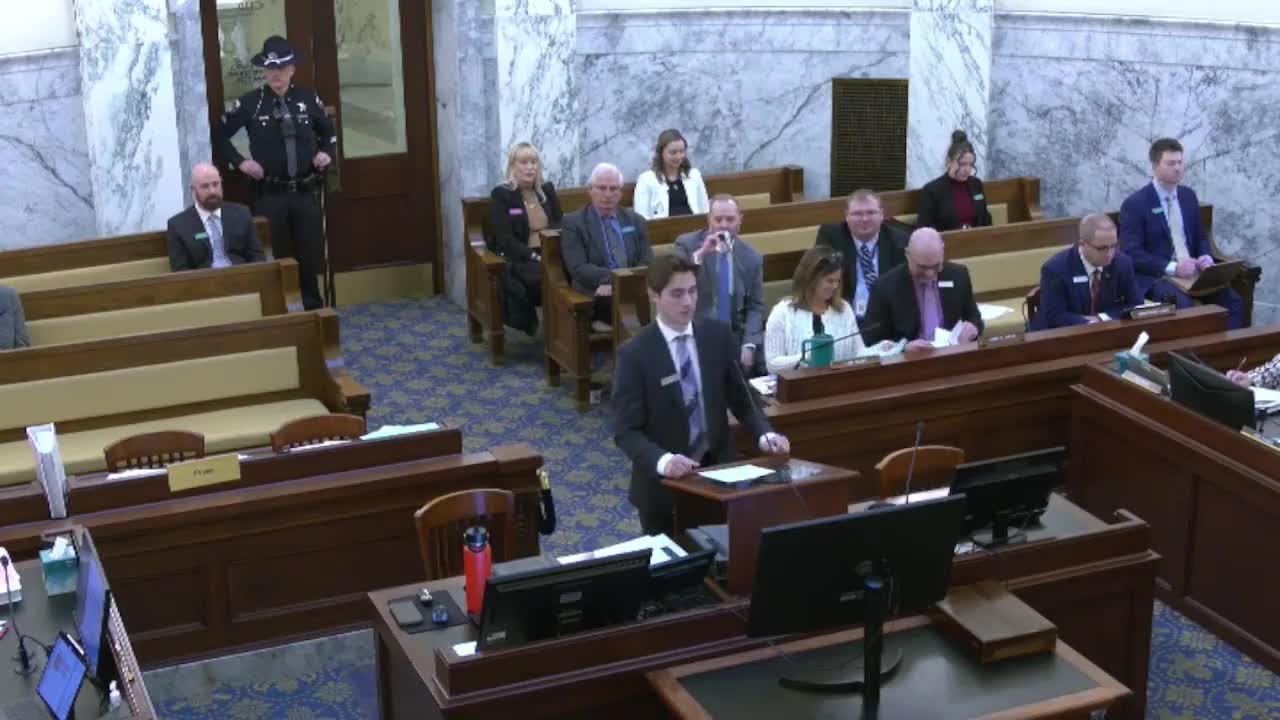
The Idaho Commission of Pardons and Parole asked lawmakers on Feb. 4 for statutory authority to raise commissioner pay from $300 to $400 per hearing day, citing recruitment and retention challenges and the volume of unpaid preparation work required for hearing days.
The request requires a change to state law and would raise the fiscal impact of the commission’s budget by the amount needed to implement that pay scale. Legislative analyst Noah Peterson told the committee the governor recommended an increase tied to the proposed statute and that the fiscal impact of a bill would be approximately $59,300.
Commission workload: Christine Starr, executive director of the commission, told the committee she has served three months and brought financial staff to the hearing. She described commissioners’ work pattern — generally three hearing weeks per month — and told lawmakers that commissioners are paid only for time spent in hearings, not for the substantial preparation time the role requires. Starr said commissioners average roughly 26 hours of preparation per hearing week, which she equated to about 3.25 unpaid workdays per hearing week.
History and turnover risk: Peterson summarized the pay history: commissioners last received an increase in 2017, when pay rose from $200 to $300; prior to that the pay had not changed since 2007. Starr said she expects to lose more than half of the current commission by December without changes, noting that commissioners cited compensation and workload as reasons for declining reappointment.
Why it matters: The commission decides parole, commutation and pardon petitions affecting public safety, victims and people currently incarcerated. Starr told lawmakers the commission provides “comprehensive information” for reasoned decisions and said she plans a review of processes and decision‑making models to improve transparency and outcomes.
Next steps: The commission’s request will need statutory language to implement the pay increase and further review; lawmakers did not take immediate action during the hearing.