Get Full Government Meeting Transcripts, Videos, & Alerts Forever!
Get email alerts on the Psychiatric Hospitalization topic
No spam. Unsubscribe anytime.
State hospitals' accreditation, civil-commitment costs and competency restorations spotlighted at JFAC
Summary
Committee heard that all three state hospitals are accredited, which allows Medicaid billing, but psychiatric hospitalization budgets include a supplemental for civil-commitment costs now borne by the state and a growing share of beds used for restoration-to-competency cases.
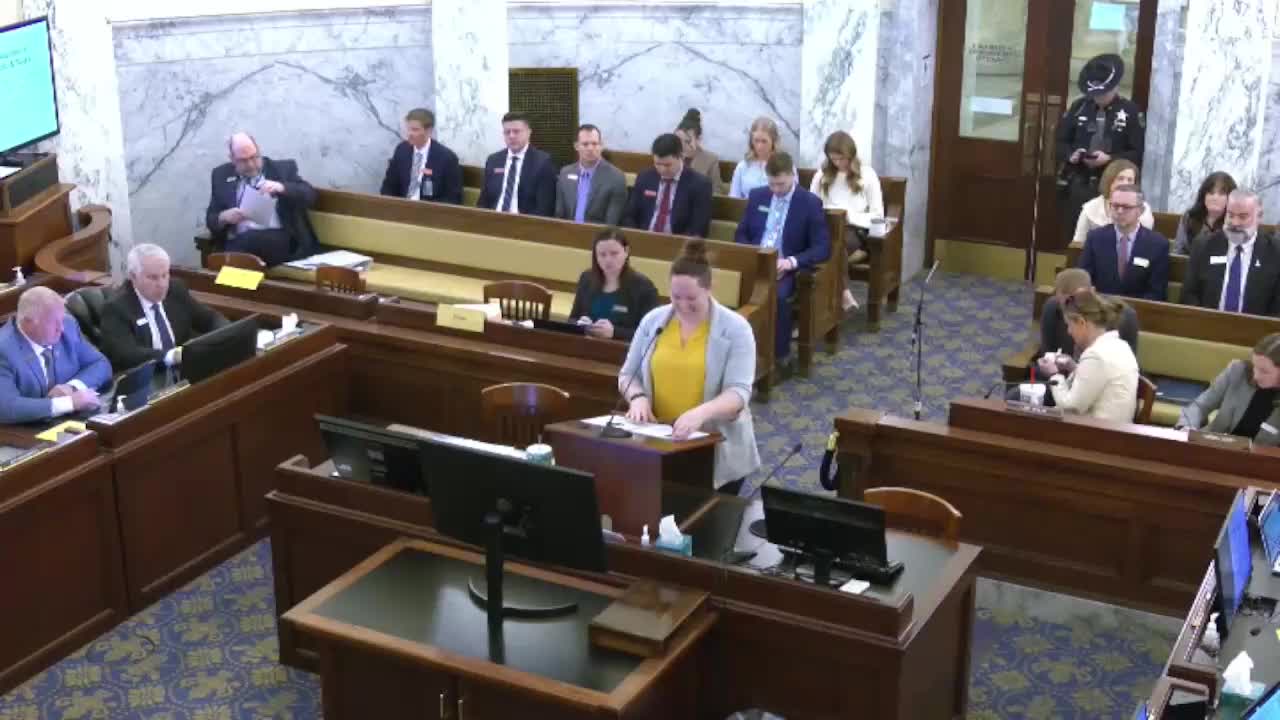
The Joint Finance-Appropriations Committee reviewed the psychiatric hospitalization budget for State Hospital North (Orofino), State Hospital South (Blackfoot) and State Hospital West (Nampa), receiving updates on accreditation, Medicaid billing, civil-commitment costs and trends in restoration-to-competency commitments.
Accreditation and Medicaid billing
Director Alex Adams told the committee all three hospitals are now accredited. He said accreditation allows hospitals to bill Medicaid for eligible patients, producing receipts that reduce general-fund burdens. "State Hospital West . . . has so far billed $1,600,000 and they've received $1,300,000," Adams said, noting that those Medicaid receipts offset what otherwise would have been general-fund requests.
Civil commitments and supplemental request
Analysts described a fiscal-year-2025 one-time supplemental request of $2,600,000 from the General Fund to cover increased civil-commitment expenditures. The committee was reminded that Senate Bill 1327 (2022) shifted the responsibility to pay civil-commitment costs from counties to the state: "As a result, the Department of Health and Welfare is now, footing the bill for, these services and is asking for a supplemental to help with the increased cost that they're seeing in fiscal year 2025," the analyst said.
Why costs rose
Director Adams and division staff told the committee the department does not control who is placed on a mental-health hold; health-care professionals and law enforcement make those determinations pursuant to statute. Adams explained the distinction between entitlements such as Medicaid and non-entitlement gap-filling services, and he said optimistic assumptions in fiscal notes led to underestimated costs. Ross Edmonds, administrator for the Division of Behavioral Health, said civil commitments have remained relatively flat but the gap between holds and placements is growing and restoration-to-competency commitments have shown a sharp rise. Edmonds told the committee, "over the last 10 years, we've seen about a 600% increase in the restoration to competency increases." He added that restoration cases now occupy a large share of beds: "State Hospital North right now, we have about 75% of the beds are filled with restoration to competency cases not civil commitment."
Medicaid billing threshold and bed-stay length
Adams spelled out a federal billing rule that affects the state's finances: Medicaid will reimburse for stays of 60 days or fewer, but for stays that exceed 60 days Medicaid will not reimburse. He told the committee that clinical decisions about readiness for discharge can therefore have significant budget consequences: "If the patient is not ready to be released back into the community at day 59, the medical and clinical need will override the billing realities."
Staffing and capacity
Adams said vacancy rates vary by hospital: State Hospital West reported 0% vacancy, State Hospital South about 2.8%, and State Hospital North about 11.5%. The director credited recent compensation adjustments for improving recruitment and retention and argued those staffing levels affect how quickly patients can move through community hospitalization into state hospital beds.
Ending
The psychiatric hospitalization presentation highlighted an intersection of clinical decisions, statutory changes, reimbursement rules and capacity constraints. Committee members pressed for further detail on accreditation timing, billing receipts and the long-term budget effects of rising restoration-to-competency caseloads.