Get Full Government Meeting Transcripts, Videos, & Alerts Forever!
Get email alerts on the Health Dental Education topic
No spam. Unsubscribe anytime.
Idaho Dental Education Program seeks one additional seat to expand state dental workforce
Summary
The Idaho Dental Education Program asked the Joint Finance Committee for $54,000 ongoing to add one student seat toward a long-range goal of 36 seats; program leaders said IDEP places Idaho residents in dental training and returns a majority of graduates to practice in Idaho.
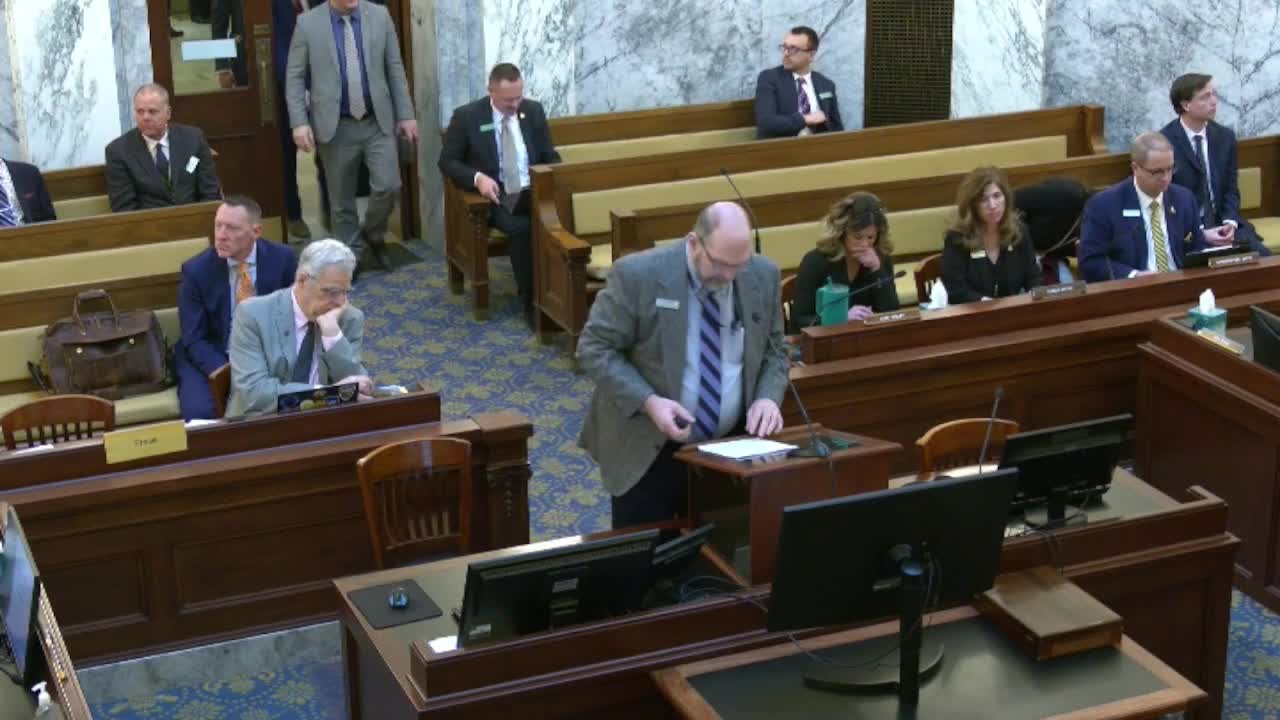
The Idaho Dental Education Program (IDEP) asked the Joint Finance-Appropriations Committee on Jan. 22 for $54,000 in ongoing general-fund support to add one dental-school seat for Idaho residents as part of a long-term plan to reach 36 total seats.
Kevin Campbell, a budget and policy analyst with the Legislative Services Office, presented the program—s budget. IDEP is run by Idaho State University—s Division of Health Sciences and operates under a contractual arrangement with Creighton University—s School of Dentistry: Idaho students complete the first year at Idaho State and finish their clinical training at Creighton in Omaha. Seats are reserved for Idaho residents and carry discounted tuition under the contract.
Director Jeff Weibargin, an IDEP alumnus who leads the program, told lawmakers that IDEP has no difficulty attracting qualified applicants: the program typically receives dozens of highly competitive applications for a small number of seats. He said IDEP historically returns a majority of graduates to Idaho to practice. "We return historically since about 1982 somewhere between 65 and 70 percent of our graduates have returned to Idaho to practice," Weibargin said.
Weibargin and the analyst said expanding IDEP seats lowers the financial barriers for Idaho students who otherwise face higher debt if they attend out-of-state dental programs and are less likely to return to Idaho. The program also reported using adjunct retired instructors to fill classroom needs while it develops longer-term tenure-track faculty.
The committee asked about supply and demand, return rates and the program—s ability to fill additional seats. Weibargin said IDEP routinely receives more qualified applicants than slots and recommended the committee consider the ongoing need for dentistry access in rural and small communities.
Ending: The committee heard the program—s request and asked clarifying questions; no action was taken at the hearing. Staff noted IDEP has averaged modest base-budget growth and has used adjunct faculty while building out permanent instructional capacity.