Get Full Government Meeting Transcripts, Videos, & Alerts Forever!
Get email alerts on the Licensing Fees And Finances topic
No spam. Unsubscribe anytime.
House committee holds residential care facility administrator rule; board faces six‑figure deficit
Summary
The Idaho House Health and Welfare Committee held the pending licensure rule for residential care facility administrators until Feb. 12 after hearing that the board carries a $109,271.24 deficit and plans modest fee increases plus a possible board consolidation to restore required cash reserves.
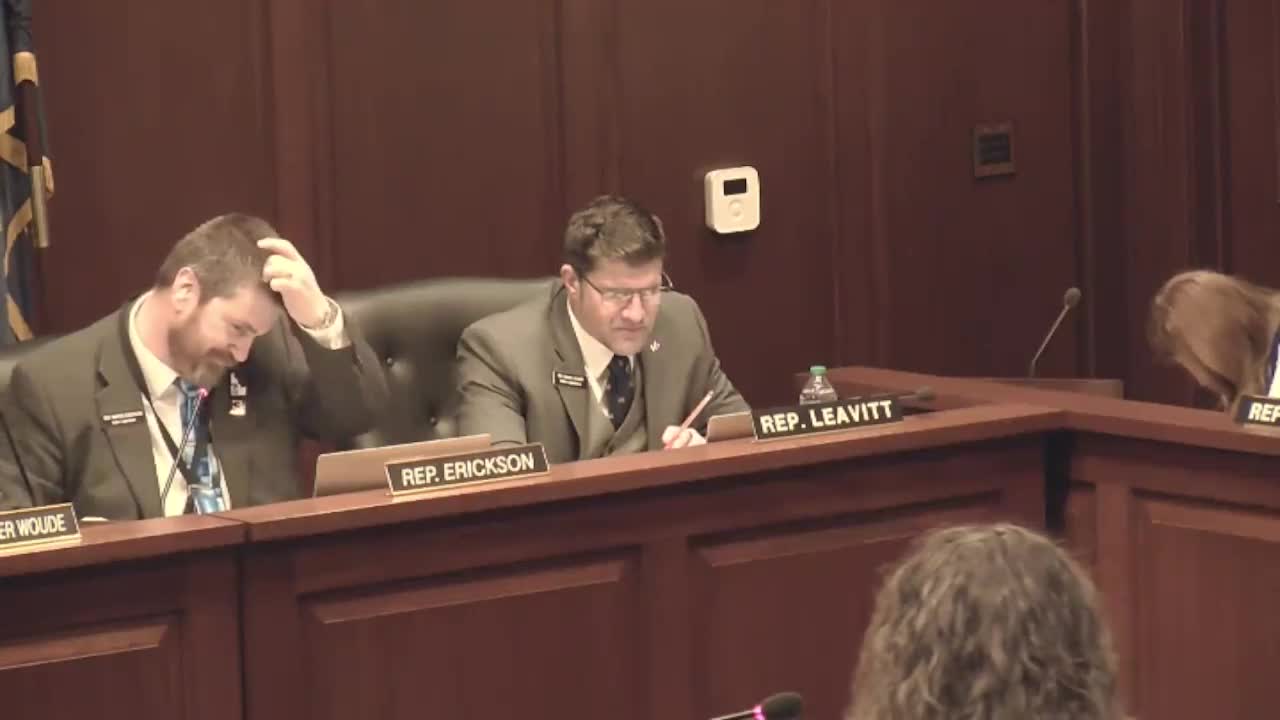
The Idaho House Health and Welfare Committee on Jan. 22 held for time certain pending administrative rules from the Idaho Board of Examiners of Residential Care Facility Administrators after members pressed board staff for a written plan to eliminate a $109,271.24 cash shortfall.
Cecily Metcalfe, Board Services Program Manager for the Division of Occupational and Professional Licenses and executive officer for the board, told the committee the rules package would move the board from its current deficit toward required cash reserves through a combination of modest fee increases and an anticipated statutory consolidation with the nursing home administrators board. "We are looking at efficiencies, whether to raise fees or not," Metcalfe said, adding that with the proposed fee changes the board would be at roughly 31% of the five‑year rolling average of expenditures by the end of fiscal year 2028.
Committee members pressed for more detail. Representative VanderWag noted the board is already at the statutory maximum for some fees and asked whether any other options besides future fee increases exist; Metcalfe said the division is pursuing consolidation, cross‑training staff and a new licensing system to reduce costs. Representative McCann and others said they wanted a historical accounting showing how the board reached the current deficit and a written recovery plan before the committee takes final action.
The rule text presented to the committee included changes already described by Metcalfe: aligning continuing education cycles to a biennial renewal, accepting specified basic first aid/CPR/medical assistance/fire safety courses toward continuing education, eliminating a separate jurisprudence exam as duplicative of statute, and increasing application, provisional permit and renewal fees from $150 to $200 to comply with the division’s cash‑balance plan tied to the 30%–125% statutory target. Metcalfe said the board expects that, even with the fee increase, the board would not be back in the black within one year but anticipates being compliant within roughly three years.
Representative VanderWag offered a substitute motion to hold the docket in committee until the committee receives a plan; Representative McCann proposed a time certain of March 15. After further discussion the committee adopted an amended substitute motion to hold the docket until Feb. 12, giving staff and the board a deadline to provide more detailed recovery information. The committee chair said members intend to revisit the rule before the end of the legislative session.
Why it matters: Idaho statute and recent legislative intent language require boards under the Division of Occupational and Professional Licenses to maintain a cash balance between 30% and 125% of the five‑year rolling average of expenditures. Committee members said they want clearer evidence the proposed rule changes and consolidation will restore the residential care board’s finances without creating undue burdens on licensees or the regulated workforce.
The committee did not take final action on the residential care docket and will reconsider it on Feb. 12.