Get Full Government Meeting Transcripts, Videos, & Alerts Forever!
Get email alerts on the Budget Process topic
No spam. Unsubscribe anytime.
JFAC staff outlines program-maintenance structure and schedule; maintenance bills to include CEC and benefit adjustments
Summary
JFAC staff described a structure of 10 program-maintenance appropriation bills that will include CEC adjustments, benefit cost changes, SWCAP, and contract inflation; hearings and decisions are scheduled for next week.
Budget staff briefed the Joint Finance-Appropriations Committee on how program maintenance bills are organized, what they include, and the schedule for hearings and votes. The staff presentation described 10 functional program maintenance appropriations bills and what will be treated in program maintenance versus enhancement bills.
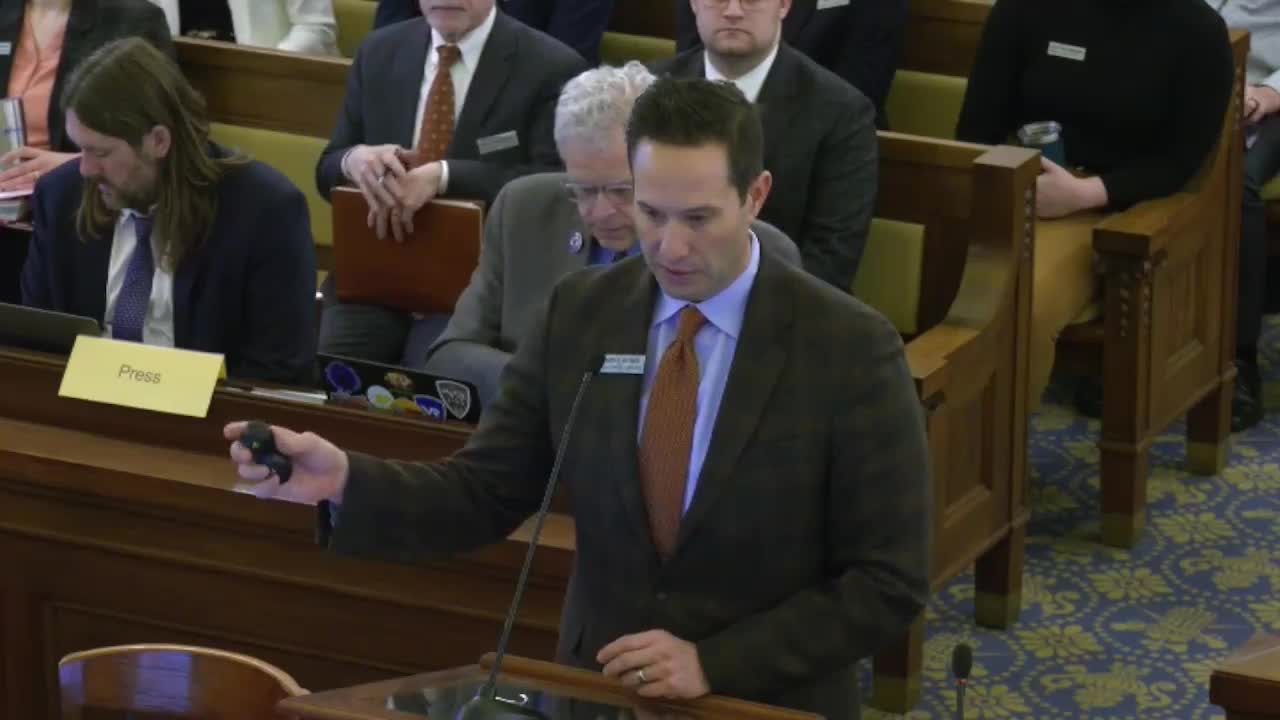
Keith Bybee, Division Manager of Budget Policy Analysis, told the committee the program maintenance bills group state spending into 10 areas so members can consider like functions together. He said program maintenance will include the base (ongoing) budget plus the changes between Benchmark 4 and Benchmark 5 in the budget book — notably personnel benefit cost adjustments (including the CEC recommendations), contract inflation, statewide cost allocation (SWCAP) and other ongoing adjustments. Bybee said the intention this year is to include the CEC adjustments inside program maintenance bills rather than split them into separate legislation.
Bybee described the enhancement bills as the place to consider replacement items, IT replacements (which staff are breaking out separately), general inflation requests, and population forecast adjustments (formerly called nondiscretionary). The committee discussed the rationale for treating population-forecast adjustments in enhancement bills so legislators have more time and transparency to weigh changes tied to caseloads or demographic forecasts (for example, Medicaid caseloads or K–12 support units).
Bybee also gave a high-level example showing how the governor’s recommended maintenance package across all 10 bills would total about $12.859 billion for FY2026 if the committee adopted the governor’s plan. He emphasized that setting a program maintenance budget does not preclude the committee from later adding or subtracting items; he cited last year’s separation of Commerce and the Office of Broadband as an example of changes made after an initial maintenance posture.
Committee members asked procedural questions about the timing and how members should prepare. Staff said members will receive the bills and data before decision days; hearings are scheduled next Wednesday for an initial walk-through and Friday for decision-making. Staff also confirmed that replacement items and IT replacements will be in separate decision units to give the committee better visibility on IT spending vs. non-IT replacements.
The committee used unanimous consent to reorder the agenda so members who had to leave early could hear the maintenance-budget presentation before departing.
Ending: Staff said materials and bills will be posted in advance and members should review agency-level material if they want detail; the committee will take the program maintenance votes on the scheduled decision day next week.