Get Full Government Meeting Transcripts, Videos, & Alerts Forever!
Get email alerts on the Committee Tools And Schedule topic
No spam. Unsubscribe anytime.
JFAC staff trains members on SharePoint, session record and hearing schedule ahead of budget hearings
Summary
Committee budget staff demonstrated SharePoint and the session‑record archive on Jan. 8 and outlined the hearing schedule and daily work‑group process members will use to review agency budgets over the coming weeks.
Committee budget staff walked members through the committee’s document tools and the hearing schedule on Jan. 8, showing how SharePoint and the legislature’s public session record will be used to distribute the legislative budget book, agency presentations and archived audio‑video for the 2025 session.
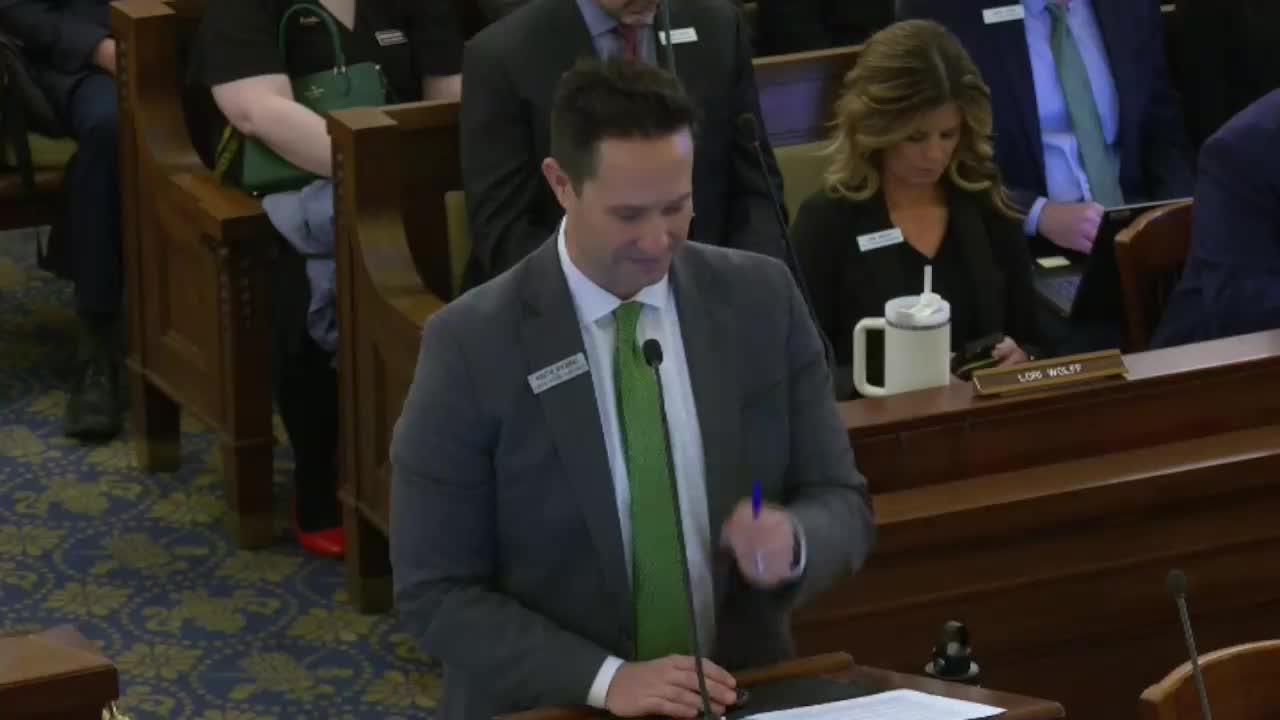
Keith Bybee, division manager for the Legislative Services Office’s budget and policy team, demonstrated how to download and annotate agency materials in SharePoint, advised members to save files locally to enable mark‑up, and reviewed a new file‑naming convention intended to reduce duplicate downloads. He told members the session record is publicly available at legislature.idaho.gov and includes agendas, documents and recordings so absent members or the public can review prior hearings.
The nut graf: Staff emphasized that SharePoint is the primary operational tool for daily committee work this session; members who attend hearings or serve on work groups should learn the download/annotation process to access the legislative budget book, analyst slides and agency materials.
Hearing schedule and work groups: Bybee reviewed the planned sequence of hearings and work‑group activity. The committee will meet roughly 8:00–9:30 a.m. most days for plenary JFAC sessions; work groups meet after the plenary session to examine program‑level details. Staff explained week‑by‑week themes: early weeks focus on program maintenance and agency presentations (Department of Health and Welfare, secondary education, and other agencies), then later weeks cover higher‑education institutions, transportation, capital budgets and other subject areas, with the aim of completing JFAC business by mid‑March.
Replacement items: Staff highlighted a procedural change: replacement items (IT, vehicles, equipment) are being treated as budget growth and will be reviewed in a dedicated “replacement items” hearing rather than being omitted when agencies request only program maintenance budgets. Members were told the Jan. 15 morning session will examine replacement items across several agencies.
Devices and mark‑up: Bybee said the legislature can provide iPads or Surface Pros to members who want to mark up PDFs in committee, and recommended members download files into a local folder rather than opening them in read‑only mode on the SharePoint portal.
Public access and transparency: Staff emphasized that all materials in SharePoint are already public through the legislature’s online session record; SharePoint is an internal convenience tool to organize files and enable annotations. Bybee invited members to request help from staff for one‑on‑one sessions to set up devices and to learn the workflow.
Committee next steps: Members were reminded to consult the week‑by‑week schedule, to meet with analysts early about work‑group assignments, and to expect program maintenance budgets to be set the week of Jan. 17. Staff said they will provide follow‑up assistance and individualized instruction where needed.
Ending: The training closes the committee’s orientation phase and prepares members for an intensive schedule of agency hearings and work‑group sessions over the coming weeks.