Get Full Government Meeting Transcripts, Videos, & Alerts Forever!
Get email alerts on the Special Education Transition Program topic
No spam. Unsubscribe anytime.
Laconia High School showcases two-year in-house transition program for students with disabilities
Summary
The Laconia School Board heard a presentation from the district's Special Education Transition Program on May 20, highlighting vocational placements, community partnerships and student-run activities developed since the program moved from contracted services into the high school two years ago.
LACONIA, N.H. — The Laconia School Board on May 20 heard a presentation from the Laconia High School Special Education Transition Program describing two years of in‑school vocational training, community placements and student life-skills activities.
The program, which the district moved from contracted services into an in‑house model two years ago, connects adult students with local businesses and community organizations to build vocational skills, daily living routines and social supports, the presenters said.
Program lead Dornit Olsen, described in the meeting as the special education teacher in charge, said she secured approvals through the state Department of Labor and developed partnerships with local employers. “Laconia local businesses have been wonderful,” she told the board, noting placements at restaurants, retail stores, a humane society and community agencies.
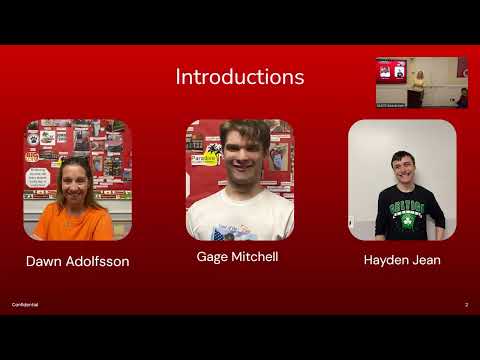
Students who spoke to the board — identified in the meeting as Gage and Hayden — described daily tasks and recent accomplishments. Gage said he obtained a non‑driver ID through a Department of Motor Vehicles visit arranged by the program and described duties at several placements, including restocking and light food‑preparation tasks at the Flipside restaurant and setting up at Saint Andre’s Church. Hayden described assisting in the school cafeteria with tray washing and participating in preschool circle time activities during placements at the Hewitt Preschool.
The program’s described school‑based activities include mail distribution, simulated apartment maintenance, meal planning and cooking, technology and digital‑literacy exercises, and a “foundation” sequence that produces small‑scale entrepreneurial tasks (the presentation cited selling snow cones and participating in the city’s Pumpkin Festival). Community partners listed in the presentation included the New Hampshire Humane Society, Randy’s Pit Stop, Sal’s Pizza, The Salvation Army, Dollar General, the Laconia Library, Lakes Region Community Services and the Family Resource Center.
Board members and attendees praised the student presentations. One board member said the students “really enrich these businesses,” and another noted that local employers complimented students’ behavior and participation at placements.
Program staff said the transition program will continue through the summer for some students, with on‑site summer work at the high school for others and participation in the district’s Extended School Year program. The presentation emphasized that the program aims to provide hands‑on work experience and life‑skills practice that students can carry into employment or community living.
The board did not take formal action on the presentation; the program appearance was listed as an informational item on the agenda. The district administration said staff will return for future updates as the program expands placement sites and documents student outcomes.