Get Full Government Meeting Transcripts, Videos, & Alerts Forever!
Get email alerts on the Pardons And Parole Compensation topic
No spam. Unsubscribe anytime.
Pardons and Parole seeks higher commissioner pay as turnover looms
Summary
The Commission of Pardons and Parole requested statutory authority and funding to raise commissioner pay from $300 to $400 per hearing day, citing recruitment and prep-time burdens; the executive director said more than half the commission will leave by December without changes.
The Idaho Commission of Pardons and Parole asked the Joint Finance Preparations Committee on Feb. 4 for legislation and funding to increase commissioner pay from $300 to $400 per hearing day, arguing current compensation discourages appointments and does not account for unpaid preparation time.
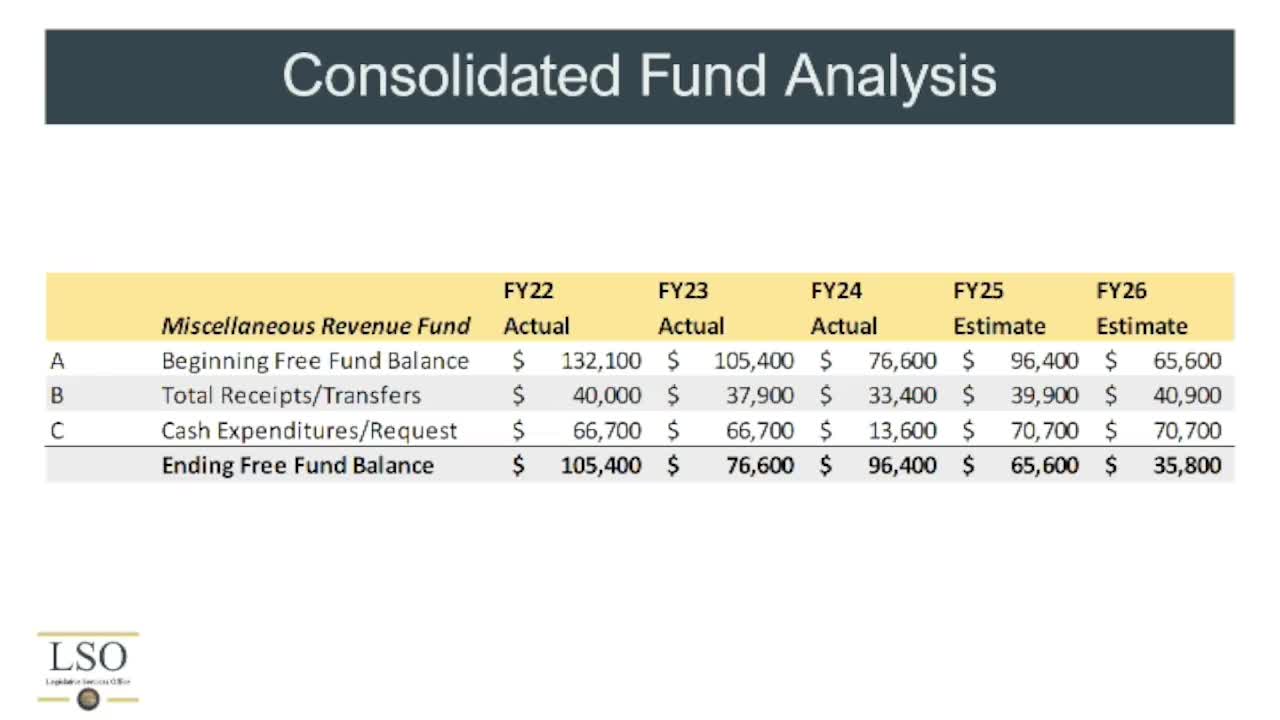
Noah Peterson, Legislative Services Office analyst, summarized the Commission's FY2026 enhancement request: commissioners last received a pay increase in 2017, and the commission requests statutory authority (testimony cited "section 20, 1,002 of Idaho code" as the relevant citation) to increase the per-day hearing stipend. The governor's recommended fiscal impact of that legislative change was presented as about $59,300 annually.
Christine Starr, executive director for the Commission of Pardons and Parole, told the committee she had led the agency for just over three months and said the commission was at risk of losing experienced members. Starr said commissioners are currently paid only for hearing days under statute and do not receive compensation for the substantial unpaid preparation time the role requires. She offered a calculation used by staff: roughly 23 hearings scheduled per hearing day, an average of 40 pages attached per hearing, and about 26 hours of preparation per five-day hearing week—roughly 3.25 unpaid days of preparation per week of hearings.
The Commission has 37 FTP (one vacant in August 2024) and processed a growing caseload; Peterson noted commissioners delivered 6,670 decisions in FY2024 compared with 5,907 decisions in 2017. The commission was moved from under the Department of Correction into a self-governing agency structure by House Bill 462 (2024), testimony said.
Starr characterized the requested pay change as a partial remedy to a larger problem of maintaining experienced, well-trained commissioners who can reliably prepare for complex hearings. "I see this request to increase the commissioner's pay as honestly more of a band aid to a much larger issue," she said, and added that she would evaluate commission processes and training models while seeking sustainable solutions.
Lawmakers asked operational questions: Representative Manwaring wanted to know how many hearing days are scheduled (Starr said commissioners generally conduct hearings three weeks of each month, year-round). Senator Wintrow and others flagged the unpaid preparation time and suggested the legislature consider whether compensation or structural changes are needed to ensure quality decision-making.
The governor recommended the pay increase amount shown in the packet, pending the necessary statutory change. The commission and staff offered to provide further analysis of workload and potential structural alternatives to part-time, per-hearing compensation.