Get Full Government Meeting Transcripts, Videos, & Alerts Forever!
Get email alerts on the Budget Process topic
No spam. Unsubscribe anytime.
JFAC shortens presentations, centralizes budget materials and adds new analysis visuals
Summary
Legislative staff outlined a retooled budget-hearing format featuring 90-minute, data-focused sessions, consolidated fund analysis, five-year trends, account-category breakdowns and centralized SharePoint materials.
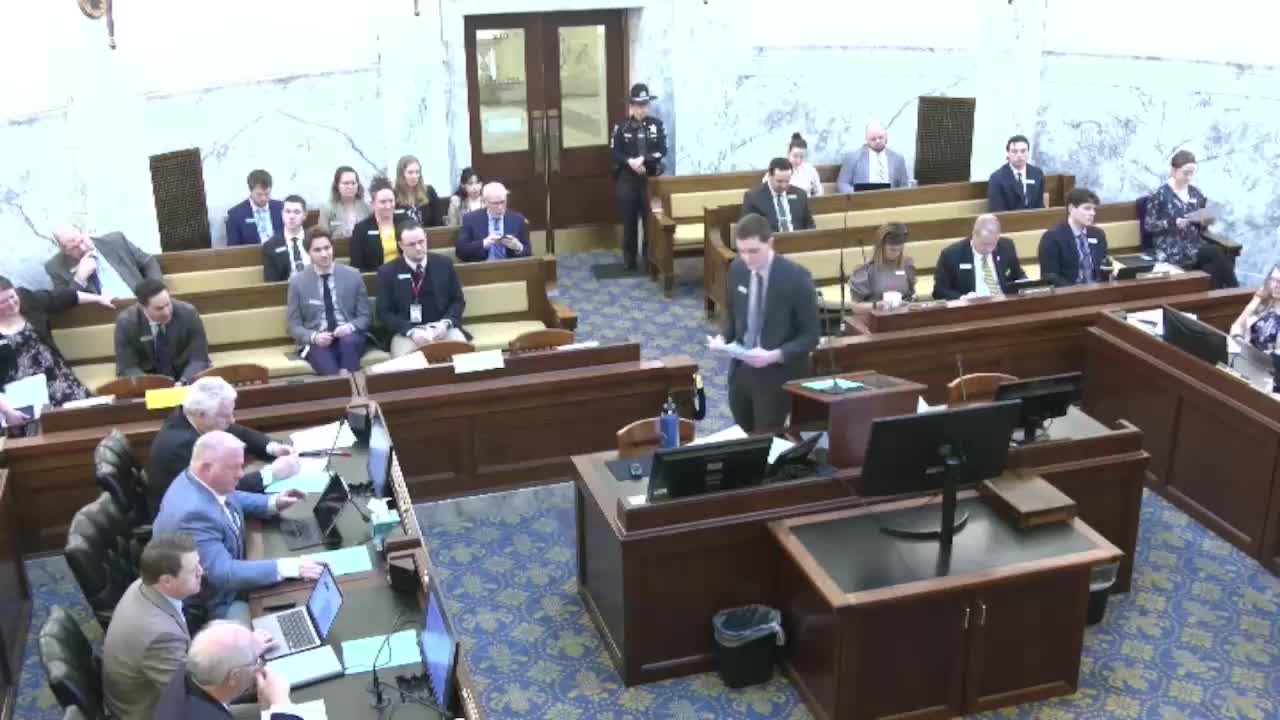
Janet Jessup, a budget and policy analyst with the Legislative Services Office, briefed the Joint Finance and Appropriations Committee on Jan. 7 on a retooled budget-hearing format intended to shorten in-room presentations while improving access to detailed budget materials online.
Jessup said the committee will move from longer, slide-heavy sessions to focused 90-minute morning hearings that emphasize maintenance budgets and current-year enhancements; agency materials and supporting documents are centralized in a SharePoint repository and the legislative budget book. The new slide set consistently includes an agency description and code references, an organizational chart with FTP (full-time personnel) counts, a consolidated fund analysis showing dedicated funds and fund balances, a five-year appropriation-and-expenditure trend, and a pie chart of fiscal-year expenditures by account category (personnel costs, operating expenditures, capital outlay, trustee and benefit payments).
Jessup said the SharePoint layout is organized by agency and by page number so committee members can quickly find the legislative budget-book pages, LSO slides, agency slides and any hearing follow-up documents. She advised sorting by the "modified" column to find the latest uploads and cautioned against repeatedly downloading full agency folders to avoid local storage issues.
Committee members asked about personnel-cost patterns and "salary savings." Jessup and co-chairs noted causes vary by agency — unfilled positions, turnover, hiring at lower salaries, or one-time retiree payouts — and that one-time salary savings do not create ongoing salary capacity. The presentation included an example organizational chart (Soil and Water Conservation Commission) showing FTP count (about 17.75 for that sample) and how district-support positions accounted for most of the commission’s staffing.
The slides also provide a five-year base snapshot distinguishing ongoing base changes from one-time enhancements and identify recent budget trends and enhancements, such as the carryover of certain competitive employee compensation (CEC) changes that were handled differently in the prior year’s budget process. Jessup said that analysts are available to answer agency-specific questions and that printed copies of summary pages remain available at the committee table.
Committee leaders stressed attendance and timeliness. One co-chair said the shorter, focused presentations are important because the committee must vote on many budget bills and that members should be in their seats on time and notify co-chairs in advance if they will be absent or must leave for another committee assignment. The chair also thanked staff for consolidating the materials and for reducing physical binder volumes, noting the change improves transparency and ease of use for legislators and the public.
Jessup offered to demonstrate SharePoint navigation to any members who wanted a live walkthrough of the repository.