Get Full Government Meeting Transcripts, Videos, & Alerts Forever!
Get email alerts on the Budget Law And Authority topic
No spam. Unsubscribe anytime.
Legal counsel outlines legislature’s appropriation powers and key budget laws
Summary
Legislative legal counsel reviewed the constitutional and statutory basis for legislative appropriations, limits on appropriations, the item veto and conditions on spending, and statutes specific to JFAC duties.
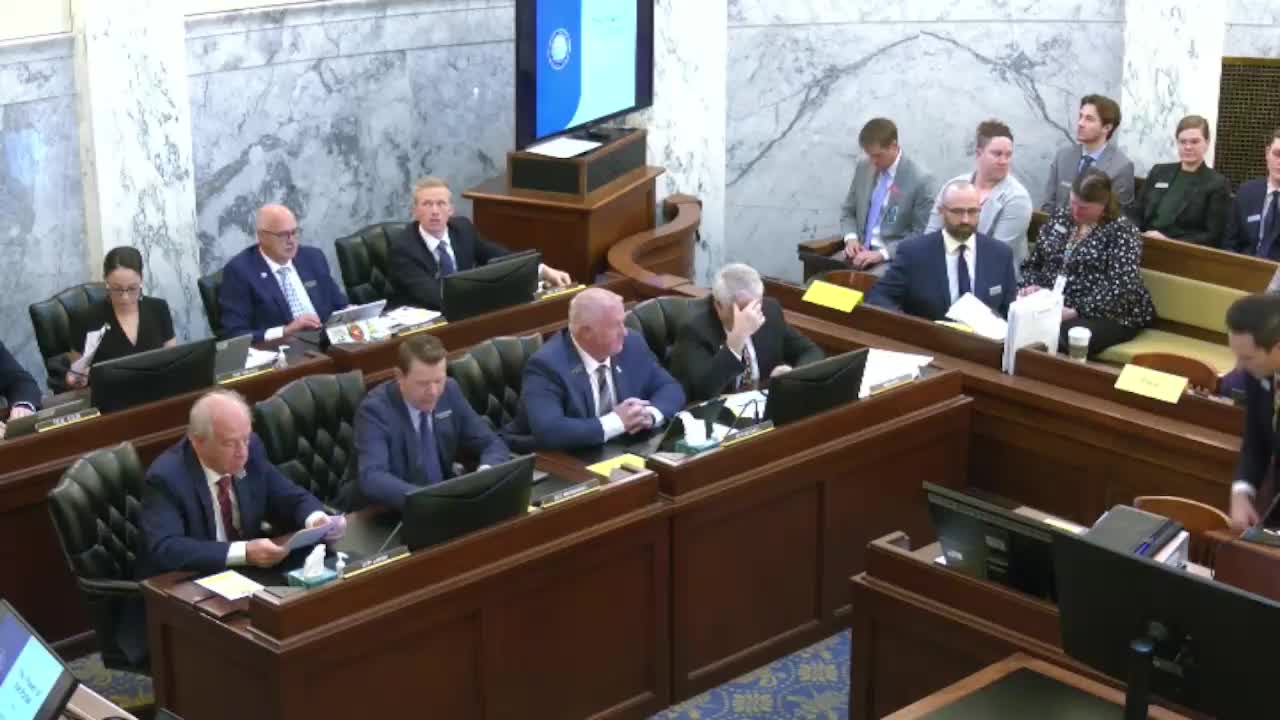
The Joint Finance‑Appropriations Committee received a legal briefing on the legislature’s constitutional appropriation powers and the statutory framework that governs how the state budget is set and how appropriations may be conditioned.
Elizabeth Bowen, legislative legal counsel at the Legislative Services Office, told the committee that the legislature’s power to appropriate money is a plenary power rooted in the state constitution and that appropriations must be made by statute. She reviewed relevant constitutional provisions and statutory chapters that govern budgeting practice, including the requirement that money be withdrawn from the treasury only pursuant to legislative appropriation (Idaho Constitution, Article 7, Section 13) and the balanced‑budget provision limiting appropriations to tax revenue absent constitutional exceptions.
Bowen summarized several practical limits and rules:
- Appropriation acts are statutes of equal standing to other laws and are subject to the Constitution’s bill‑form requirements (single subject and title requirements). - The governor’s item veto may be used on dollar amounts in appropriation acts but not on conditions attached to appropriations. A 1970s Idaho Supreme Court case (Santa Rosa v. Andress) holds that conditions attached to appropriations must be observed. - Appropriations are organized into account categories (personnel, operating, capital outlay, trustee/benefit payments) and transfers between categories are restricted except by legislative approval or specific executive authority (board of examiners processes for limited transfers). - JFAC’s statutory duties include reviewing budgets, conducting hearings, drafting appropriation bills and, if necessary, subpoena power for committee inquiries (Idaho Code sections in title 67 were cited for committee powers and duties).
Why it matters: the constitutional and statutory framework Bowen outlined constrains how the committee may structure appropriation bills, attach conditions and accept or reject governor proposals. She reminded members that conditions on appropriations are legally binding and that appropriation bills often include related statutory provisions that shape how departments may spend appropriated money.
Next steps
Bowen answered committee questions about options when an agency faces mid‑year shortfalls (board of examiners transfers, supplemental appropriations or special session as options were noted). Committee members asked about processes to adapt if appropriations tied to particular conditions need updating mid‑year; Bowen described the legal mechanics available to the legislature and the executive.