Get Full Government Meeting Transcripts, Videos, & Alerts Forever!
DEQ urges targeted pay increases to reduce permit delays; explains loan funding and Bunker Hill remediation transfers
Summary
Idaho Department of Environmental Quality told the budget committee that staffing turnover is lengthening permit timelines, proposed targeted pay increases to improve retention, and described loan funds and transfers related to wastewater and Bunker Hill remediation.
The Idaho Department of Environmental Quality told the Joint Finance-Appropriations Committee it needs targeted pay increases to reduce permit backlogs and retain specialized staff, and it described how loan and remediation accounts have been used to support cleanup and infrastructure projects.
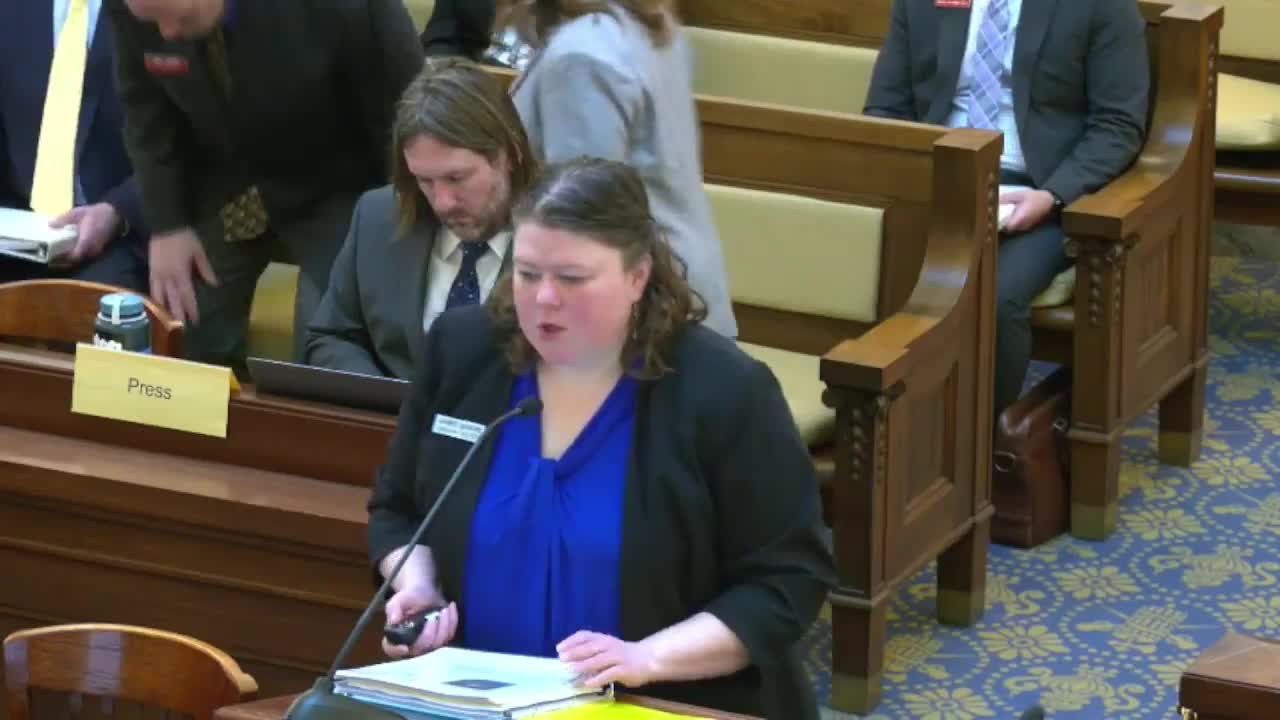
DEQ Director Jess Byrne told the committee March 1 that technical permitting programs have seen significant vacancy and turnover rates that have expanded average permit-processing times and could slow economic activity. Byrne said the agency proposed targeted pay adjustments to improve recruitment and retention and that the committee’s previously approved cost-of-living adjustments (CEC) combined with the agency’s proposal would materially improve competitiveness for specialized hires.
Why it matters: committee members and the director linked permit timeliness to economic development — large air-quality and wastewater permits must be issued before certain construction or discharge activities can proceed. DEQ said some programs have had vacancy rates as high as 50–60% in the last year and that new hires frequently require lengthy, technical training.
Major details and context
- Staffing and pay proposal: Byrne said DEQ is allocated 385 FTP and reported about 37 vacancies (roughly 9.7% vacancy rate) at budget submission. The department said it expended about 85% of its personnel dollars in 2024 and has seen significant turnover in technical permitting programs. Byrne told the committee the agency’s average tenure for new employees is about 2.8 years and that it often takes up to two years to train permit writers to full proficiency.
- Permit delays and business impact: Byrne cited program data showing average air-permit turnaround increased from about 89 days to roughly 160 days in the air program. She said the department prioritizes permits that affect economic activity but that extended vacancies slow other workloads and increase legal risk (for example, third-party lawsuits when enforcement lags).
- Targeted package and rationale: The department’s enhancement would raise entry-level hiring rates (comp ratios) — the stated proposal was to raise minimum comp ratios for new hires to 83%, with particularly hard-to-fill positions set to 86%. Byrne said the package is designed to reduce turnover and the time needed to reach full productivity; a legislator characterized part of the package as about $600,000 spread across roughly 240 positions (that characterization was discussed during questioning).
- Loan funds and Bunker Hill transfers: Representative Tanner and others asked about the $4.8 million automatic transfer into the Water Pollution Control account (a statutory transfer from sales-tax distributions) and a requested $1.5 million transfer for basin remediation (Bunker Hill). Byrne explained the $4.8 million transfer is a longstanding revenue stream intended to support loan capitalization for wastewater and drinking-water projects; when the balance exceeds immediate matching needs the agency has sought transfers to cover state match and ongoing operation and maintenance of the Bunker Hill Superfund site. Byrne said the agency aims for about $45 million in the basin remediation account to meet the state’s 10% matching and long-term O&M obligations; the agency is partway toward that target through repeated transfers.
- ARPA and federal inflows: Janet Jessup (Legislative Services) and Byrne walked…
Already have an account? Log in
Subscribe to keep reading
Unlock the rest of this article — and every article on Citizen Portal.
- Unlimited articles
- AI-powered breakdowns of topics, speakers, decisions, and budgets
- Instant alerts when your location has a new meeting
- Follow topics and more locations
- 1,000 AI Insights / month, plus AI Chat