Get Full Government Meeting Transcripts, Videos, & Alerts Forever!
Get email alerts on the Scholarships And Education Incentives topic
No spam. Unsubscribe anytime.
State board reports scholarships and grants spending stable; board to report outcomes for rural educator incentive and Opportunity Scholarship
Summary
Kevin Campbell and State Board Executive Director Josh Whitworth told the committee that scholarships and grants spending is largely trustee payments and that the board will supply outcome data for the rural and underserved educator incentive program and Opportunity Scholarship.
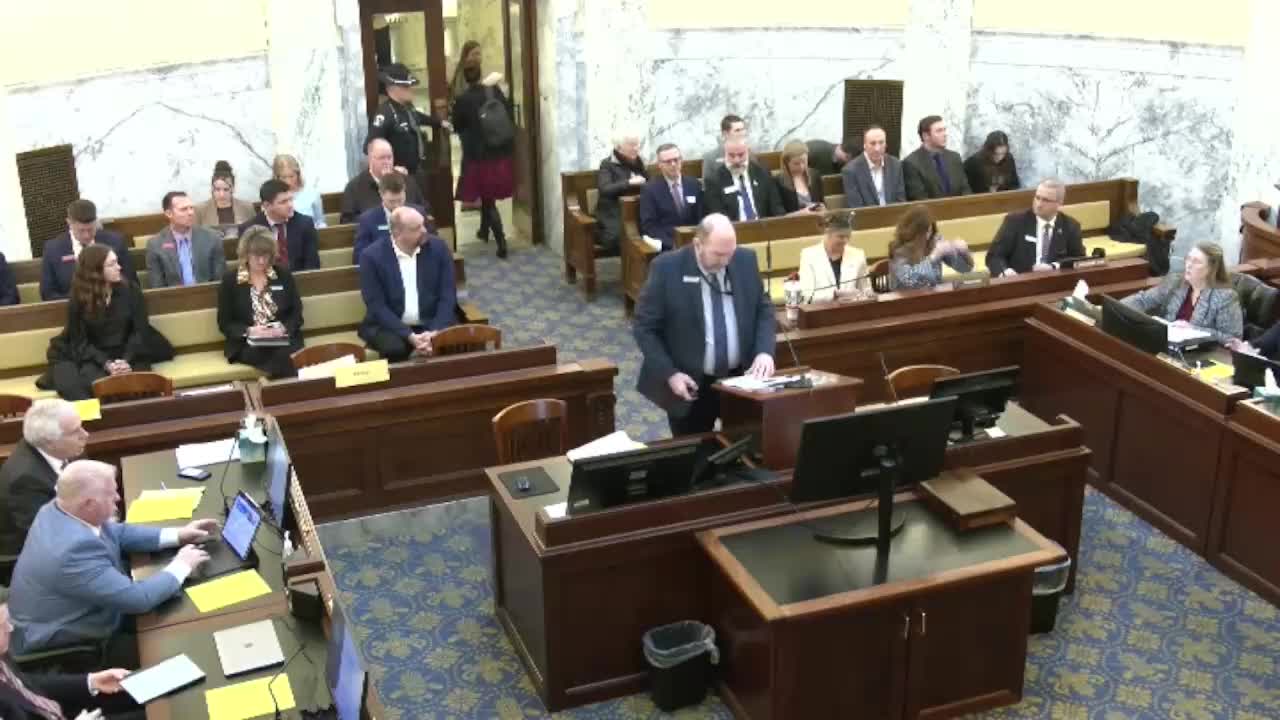
Kevin Campbell, budget and policy analyst with the Legislative Services Office, presented the Scholarships and Grants budget, which the office of the State Board of Education administers. The program has 1.35 FTP and no vacancies, and nearly all spending (about 99.5%) is trustee and benefit payments, reflecting the disbursement of scholarships to students.
Campbell and State Board Executive Director Josh Whitworth noted major recent appropriations: $7,000,000 for Opportunity Scholarships in FY2021 and the launch of the Rural and Underserved Educator Incentive Program in FY2023, with further appropriations in FY2024 and FY2025. The board requested $1,375,000 for the incentive program in FY2026 and sought a $124,000 software‑engineer position to maintain scholarship databases and public user interfaces.
Whitworth said the board will provide stronger performance measures related to scholarships and the educator incentive program, including district‑level data on where incentive awards went and recruitment and retention impacts. Several committee members requested that follow‑up data include a rural/versus‑underserved district distinction and counts of program participants who completed training and remained in those districts.
Why it matters: scholarships and targeted educator incentives are used to influence student access to postsecondary education and to address recruitment and retention in rural and underserved school districts; the committee asked the board to return with outcome metrics to support future funding decisions.
Ending: The board and analysts promised to supply additional performance and district‑level data to the committee for review.