Get Full Government Meeting Transcripts, Videos, & Alerts Forever!
Get email alerts on the Substance Abuse topic
No spam. Unsubscribe anytime.
State substance‑abuse budget shows federal opioid grants, Millennium Fund support and a federal compliance swap request
Summary
The Department of Health and Welfare's substance‑abuse budget includes ongoing federal state opioid response funding, Millennium Fund support for recovery centers, and a request to reallocate state liquor control and federal block‑grant dollars to meet a federal 5% administrative cap.
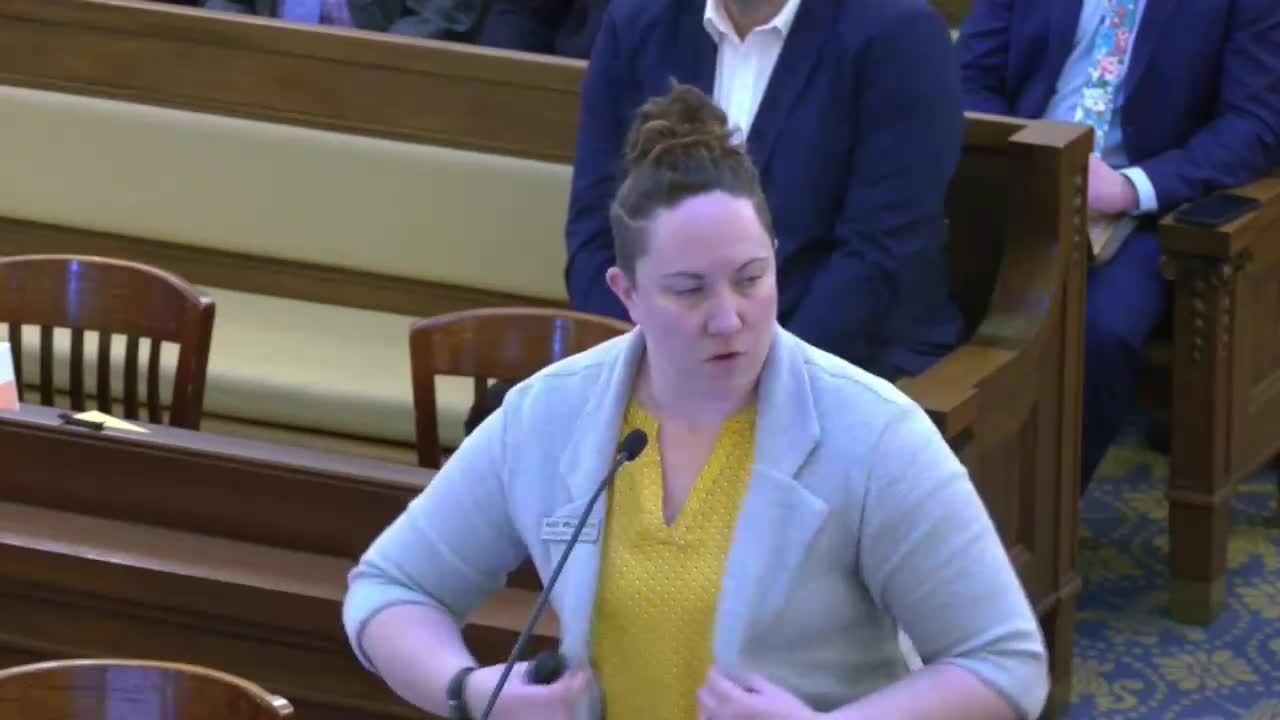
Alex Williamson, budget and policy analyst, presented the Substance Abuse Treatment and Prevention program budget and said the division’s recent increases include an $8,000,000 state opioid response grant that became ongoing in fiscal 2024 and an ongoing $1,600,000 enhancement in fiscal 2025 that included $1,350,000 for community‑based recovery centers funded through the Millennium Income Fund.
The division spent $22.7 million in fiscal 2024; about 70.6% went to trustee and benefit payments, reflecting subgrants and community provider payments. The department also received one‑time COVID Relief Act funds used for enhanced substance abuse treatment and prevention activities such as PPE and telehealth.
Williamson told the committee the department is asking to shift fund sources to regain compliance with federal rules for the Substance Use Block Grant, which limit administrative/personnel spending to 5% of the block‑grant funds. The request would move $533,900 from liquor control funds to cover personnel costs while moving $673,900 from personnel to trustee and benefit payments on the federal fund side. That swap is intended to keep Idaho in federal compliance without cutting staff needed to operate the grant.
Senator Cook pressed whether the fund swap was essentially moving money to avoid a federal “hand‑slap.” Williamson and Director Adams said the department proposed a net reduction in FTP for the program (from 16 to 12 FTP in one example referenced by the director) and had taken steps to reduce personnel costs where possible; the swap was intended to preserve program staffing while aligning federal spending categories with federal rules.
Adams described some grant pass‑throughs (for example, Millennium‑funded programs like Idaho Drug Free Youth and a Boise State collegiate recovery pilot) as checks the department writes without operational control and said programmatic oversight remains with the grantees. Committee members asked for reports and updates on specific grants; Adams said he could provide a mid‑year update on the Boise State collegiate recovery program and a report on Idaho Drug Free Youth activity and chapters.
Why it matters: the swap addresses federal compliance that affects eligibility for federal block‑grant dollars. Committee members must weigh whether to permit the fund‑source swaps and how to oversee grant outcomes for state‑funded pass‑throughs.
Ending: The department agreed to provide further written reports on grant outcomes and performance measures for committee review.