Get Full Government Meeting Transcripts, Videos, & Alerts Forever!
Get email alerts on the Psychiatric Hospitals topic
No spam. Unsubscribe anytime.
State hospitals accredited but civil‑commitment costs drive supplemental requests, officials say
Summary
Department of Health and Welfare officials told legislators all three state psychiatric hospitals have achieved accreditation, which enables Medicaid billing, but rising civil‑commitment costs and longer patient stays that exceed federal 60‑day billing limits are driving requests for supplemental general‑fund support.
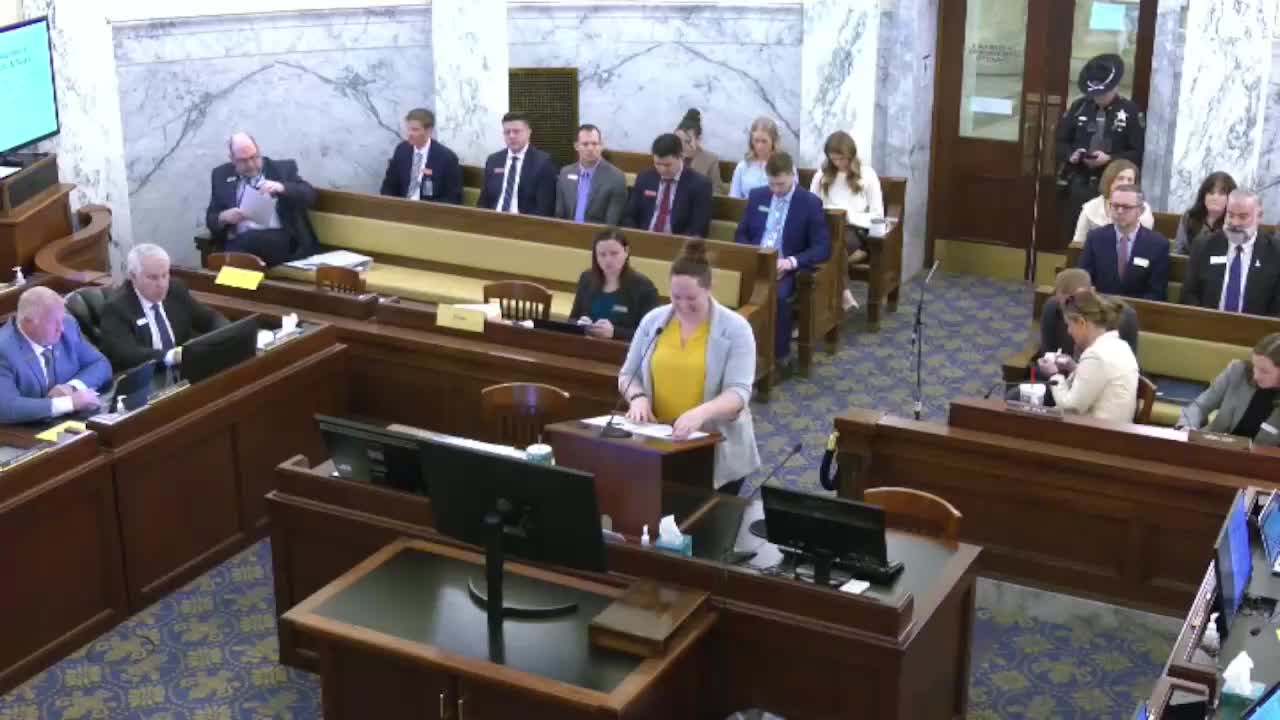
Alex Leanson (Legislative Services Office) and Department of Health and Welfare Director Alex Adams told the Joint Finance-Appropriations Committee that all three state hospitals—State Hospital North (Orofino), State Hospital South (Blackfoot) and State Hospital West (Nampa)—have received accreditation.
Accreditation enables hospitals to bill Medicaid for eligible stays; Adams said State Hospital West had billed $1,600,000 and received $1,300,000 in receipts, which reduced general‑fund need for those patients. But lawmakers heard that longer patient stays are eroding federal billing eligibility: federal rules limit Medicaid billing to stays of 60 days or less for certain civil‑commitment patients; stays longer than 60 days may not be reimbursed by Medicaid.
The department requested a $2,600,000 one‑time general‑fund supplemental to cover increased civil‑commitment expenditures in fiscal year 2025. Adams said the civil‑commitment cost shift was a deliberate policy choice by the 2022 Legislature in Senate Bill 1327 that transferred cost responsibility from counties to the state; the department has limited control because holds are initiated by law enforcement or providers under statute.
Ross Edmonds, division administrator for the Department’s Division of Behavioral Health, told the committee that the number of holds initiated by law enforcement and health professionals increases year over year and that restoration‑to‑competency commitments have driven particularly large increases. Edmonds told the committee that restoration‑to‑competency cases have increased roughly 600% over the last decade and that approximately 75% of beds at State Hospital North are occupied by restoration‑to‑competency patients.
Adams explained that roughly 17% of admissions formerly exceeded 60 days and the share had risen to about 37%; the department cannot force clinical decisions to shorten stays if patients are not clinically ready for release. “If the patient is not ready to be released back into the community at day 59, the medical and clinical need will override the billing realities,” Adams said.
Why it matters: accreditation allows federal receipts and general‑fund savings when billing is possible, but escalating hold and restoration‑to‑competency caseloads and longer stays shift costs to the state. The supplemental is meant to cover the increased costs tied to civil commitments and to reflect fund shifts where federal receipts are not available.
Ending: Committee members asked for more detail on costing and for department follow‑up; the department said it would provide additional information and that the population‑forecast and FMAP changes also affect hospital funding.