Get Full Government Meeting Transcripts, Videos, & Alerts Forever!
Get email alerts on the Behavioral Health Plan topic
No spam. Unsubscribe anytime.
Idaho health officials seek federal authority and transfer exemptions as behavioral health contract delays and budget gaps persist
Summary
The Department of Health and Welfare told the Joint Finance-Appropriations Committee it needs access to federal grants and an exemption to state transfer limits after delays and legal challenges slowed the Idaho Behavioral Health Plan rollout and left gaps in community mental health services.
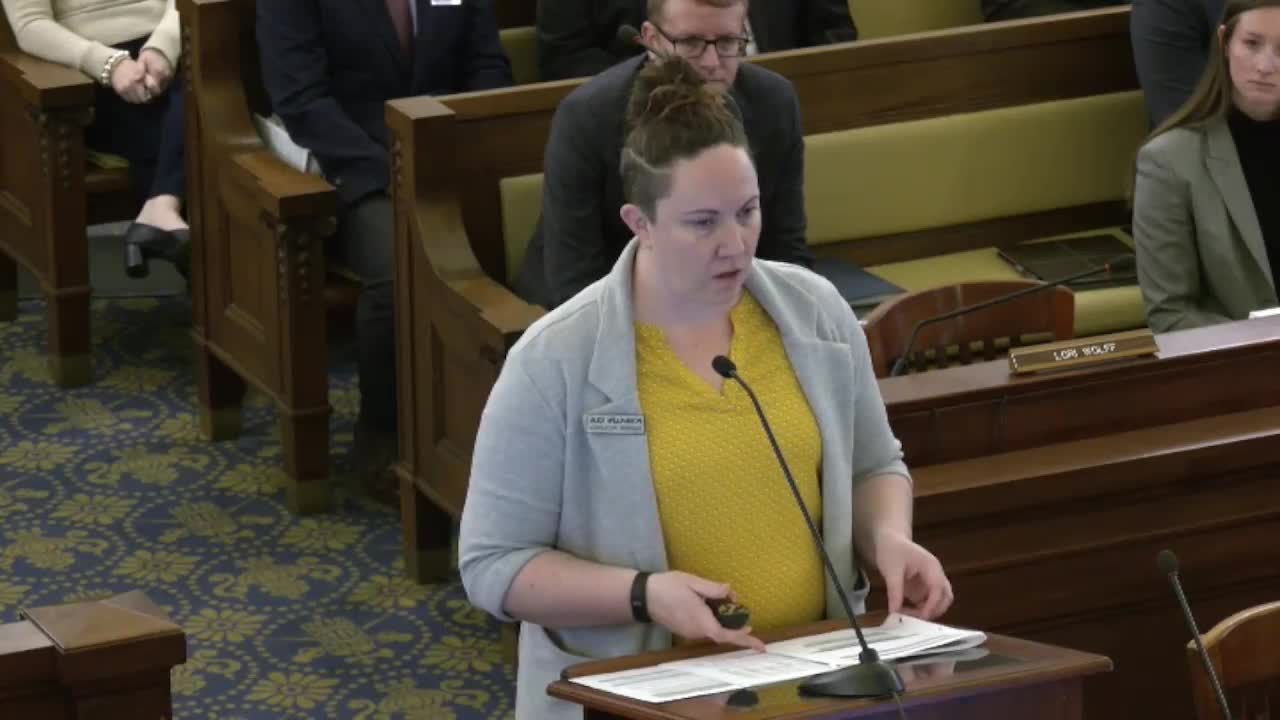
Alex Williamson, budget and policy analyst with the Legislative Services Office, told the Joint Finance-Appropriations Committee on Oct. 25, 2025, that the Department of Health and Welfare is requesting one-time federal authority and ongoing federal funding tied to the Idaho Behavioral Health Plan.
The request includes a $6,700,000 one-time federal supplemental to access grant funds that were awarded around the plan’s July 2024 go-live but could not be used under the appropriation year in which the grants were issued. The department also requested a $261,400 ongoing federal operating enhancement to support grants administered by the Substance Abuse and Mental Health Services Administration.
The department asked the committee for a transfer-exemption from the program-transfer limits in Idaho Code 67-35-11 for fiscal year 2025 so it can move resources department-wide into adult and children’s mental health if unforeseen costs arise, Williamson said.
Alex Adams, director of the Department of Health and Welfare, attributed part of the delays to legal challenges and the scale of the contract. “This was, I believe, the largest contract in the history of the state,” Adams told the committee, adding that the department preferred to proceed carefully despite the implementation delays and court challenges. Adams said the contract attracted legal challenges that delayed awarding and implementation, and that once those challenges were resolved the department opted to prioritize correct implementation over speed.
Adams also said parts of these budgets fill gaps not covered by Medicaid — for example respite care and services for children above 300% of federal poverty guidelines — and that those line items are intended to serve the involuntary system of care where Medicaid does not apply.
Committee members pressed for more detail on the timing and consequences of the delayed procurement. Senator Cook asked why the request and awards took so long; Adams repeated that legal challenges and the size of the procurement extended the timeline. Senator Wintrow asked what had gone well and what problems stakeholders had reported; Adams said the principal challenge has been budget projections for the Idaho Behavioral Health Plan and that the forecasted budget was “off by a factor of about 60%,” a gap that will be addressed more directly in the Medicaid budget review scheduled separately.
Why it matters: committee members were asked to approve authority to access federal grant dollars tied to IBHP and to lift certain program transfer limits temporarily so the agency can move funds to cover unexpected shortfalls. Adams warned that lacking that transfer authority the department might have to return with supplemental requests, and that some gap-filling services previously had to be suspended to live within existing appropriations.
What happened next: the director and analysts stood for questions; committee members asked for additional written follow-ups and for Medicaid staff to appear during the Medicaid budget hearing to answer more detailed questions about contract administration and budget forecasts.
Ending: The request for federal supplemental authority and transfer exemptions was presented to the committee for consideration as part of the broader behavioral health enhancement package the committee will review in budget proceedings.