Get Full Government Meeting Transcripts, Videos, & Alerts Forever!
Get email alerts on the School Nutrition topic
No spam. Unsubscribe anytime.
Committee advances bill to restrict Red Dye 40 in school nutrition programs
Summary
Representative Davis's bill to ban Red Dye 40 (Allura Red) from school nutrition programs passed the committee after debate over the scientific evidence; supporters cited peer-reviewed reviews and international labeling requirements, opponents called for more human studies.
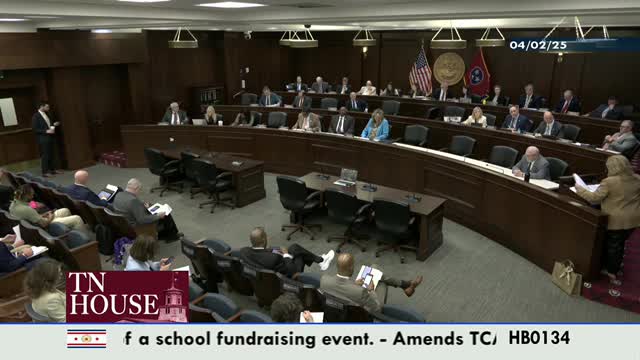
NASHVILLE — House Bill 134, which would restrict the use of Red Dye 40 (Allura Red) in public school nutrition programs, passed the House Education Committee on Thursday after partisan discussion about the scientific evidence.
Representative Davis, sponsor of the bill, said several states and jurisdictions are moving to eliminate synthetic food dyes from school meals and noted the European Union requires a warning label on products containing Allura Red. She cited peer-reviewed assessments and letters from researchers and clinicians asserting links between synthetic food dyes and neurobehavioral problems in some children.
‘‘If there’s a simple way that we can help our students be successful in the classroom and be healthy, this is something that we should move forward with,’’ Davis said, adding that the Department of Education had reviewed the vendor list and did not oppose the legislation.
Representative Johnson asked about the scope — the bill targets Red Dye 40 only — and whether exemptions exist for concessions and fundraising. Davis said the subcommittee language limits the prohibition to the school nutrition program so it would not affect vending machines or other outside activities.
Representative Raper and others pressed the level of scientific certainty. One committee member summarized that many human studies remain inconclusive and that some animal trials used very high doses, while Davis pointed to a 2021 systematic review she said included 27 human trials concluding synthetic dyes can cause or exacerbate neurobehavioral problems in children.
The committee voted 14–4 to move the bill to the calendar and rules. Representative Davis said states including West Virginia and Virginia have taken related legislative steps and that multiple states have active bills regarding dyes in school foods.
What’s next: House Bill 134 moves to the calendar and rules for potential floor consideration.