Get Full Government Meeting Transcripts, Videos, & Alerts Forever!
Get email alerts on the K 12 Flexibility Self Directed topic
No spam. Unsubscribe anytime.
Senate committee debates amendment to allow districts to reimburse families of self-directed learners; bill held in committee
Summary
Senate Bill 1017 (presented by Senator Steve Thain) would let public-school districts reimburse qualifying expenses for self-directed learners up to 65% of the funding the district receives for those students. Committee members raised concerns about oversight and rural impacts; the committee voted to hold the bill in committee.
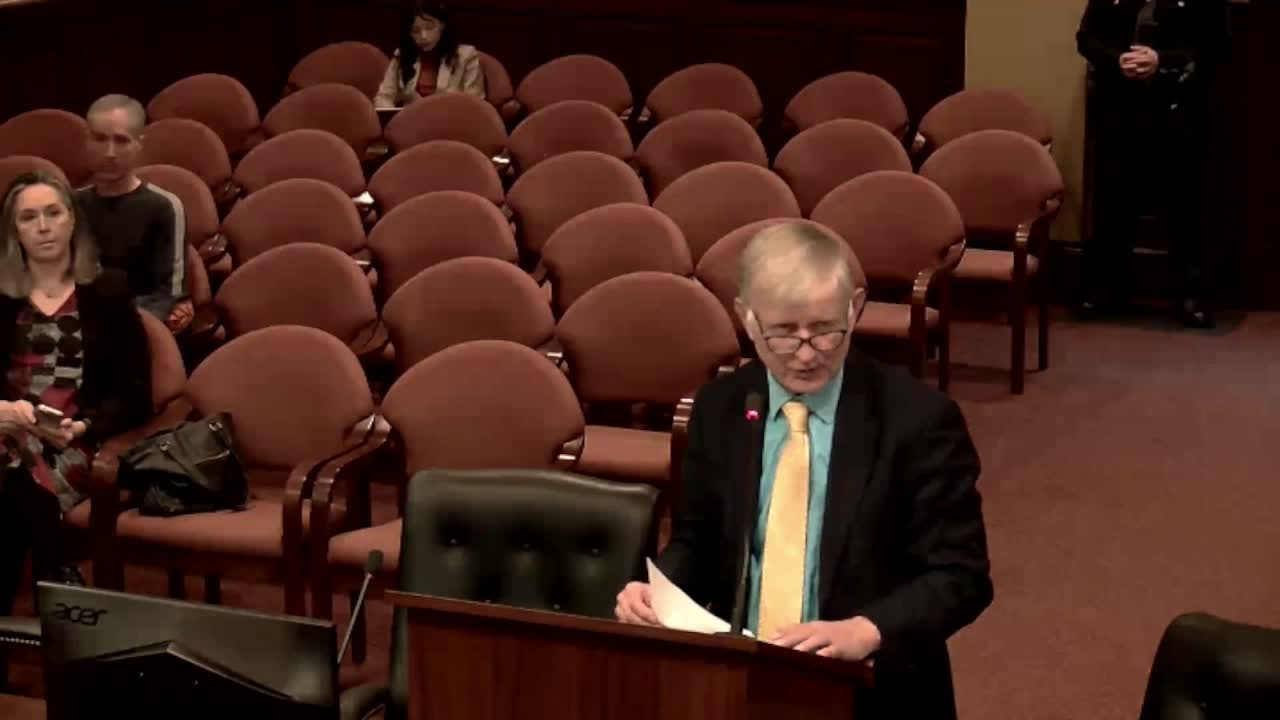
Senator Steve Thain presented an amendment to Idaho code (Senate Bill 1017) intended to expand flexibility for public-school students designated as self-directed learners. Thain said the law would allow parents or guardians of a self-directed learner enrolled in a public district or charter to request reimbursement from the district for expenses “directly related” to flexible learning. The bill would limit total reimbursement to no more than 65% of the public-school funding received for that student and require district-developed policies governing requests and allowable expenses.
“Parents may request reimbursement from the school district or public charter school that the student is attending for expenses incurred by the parent or legal guardian that are directly related to the right to flexible learning,” Thain said, describing a policy he said is intended to preserve the district’s relationship with families who seek alternate or supplemental instruction while remaining enrolled in public school.
Thain said the change is designed to give districts a tool to compete with expanding educational options such as online providers and private schools. He described the policy as optional for districts and said funds would come from money the school already receives rather than newly appropriated state dollars. He listed possible permitted expenses—textbooks, tutoring, internships, apprenticeships and similar items—and said private providers could be included through memoranda of understanding negotiated by districts.
Committee members raised questions about accountability, oversight and impact on small rural districts. Senator Ward Engelking said he supported local control but expressed discomfort with a mechanism that would redirect a significant share of per-student funding. Senator Woodward asked who would be accountable for student outcomes if a self-directed learner spent significant time outside the classroom; Thain said the program is intended for motivated students and that districts would retain oversight and monitoring responsibilities.
Senator Engelking moved to hold SB 1017 in committee. The motion was seconded and the committee voted to hold the bill; the chair announced the motion carried. The transcript records that two committee members were recorded opposed, and that the motion nonetheless carried.