Get Full Government Meeting Transcripts, Videos, & Alerts Forever!
Get email alerts on the K 12 Education topic
No spam. Unsubscribe anytime.
Idaho superintendent urges return to basics, cites 8% gain in third‑grade reading
Summary
State Superintendent Debbie Critchfield told the House Education Committee that Idaho has seen an 8% increase in third‑grade reading proficiency, emphasized phonics and the “science of reading,” outlined career‑technical grant awards, and proposed modernizing portions of the K‑12 budget to better reflect student needs.
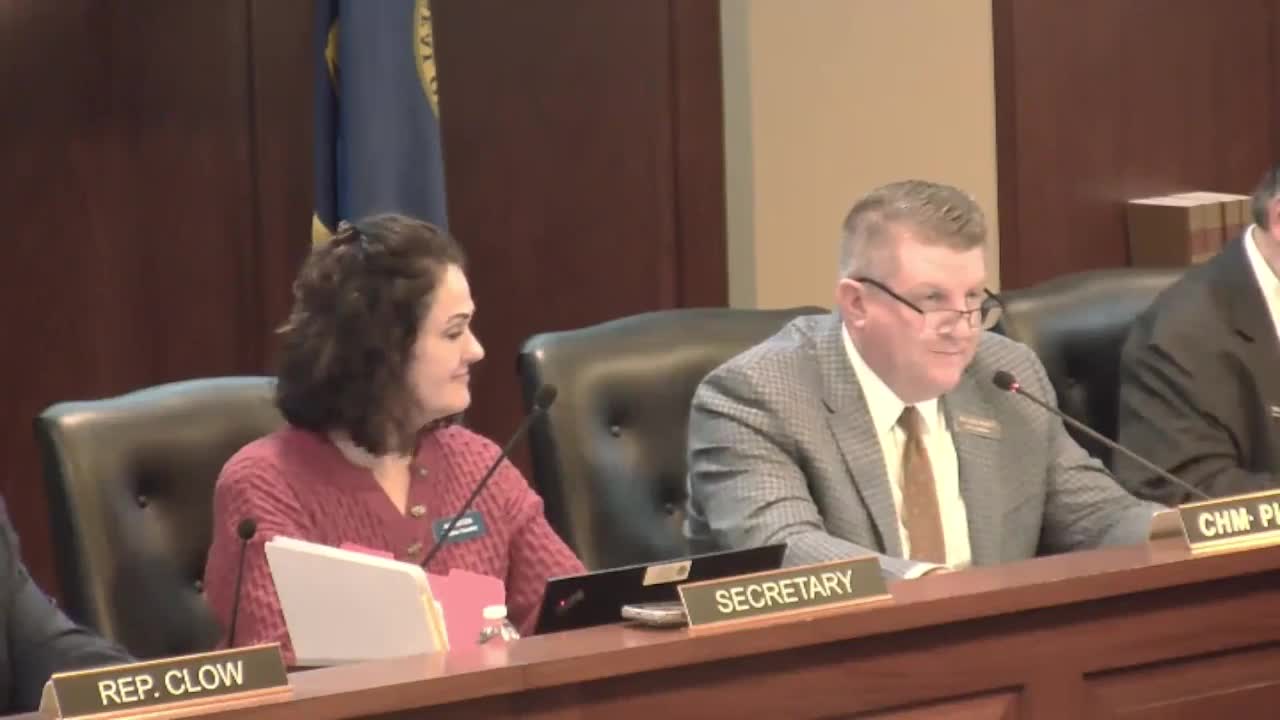
Idaho State Superintendent Debbie Critchfield told the House Education Committee on Jan. 23 that the Department of Education is prioritizing reading, math and career preparation and reported an 8% increase in third‑grade reading proficiency over the last two years.
Critchfield said phonics — part of what she called the “science of reading” — is the number one input for successful early reading instruction and urged districts and teacher‑preparation programs to emphasize that approach. “We have seen 8% growth in our third graders for reading proficiency,” she said, and noted Idaho tests kindergarten through third grade statewide using the Idaho Reading Indicator (IRI).
Why it matters: Third‑grade reading proficiency is widely used as a milestone for later academic success; Critchfield told lawmakers that improvements in early reading and a shift to “essential” math standards are intended to reduce later remediation and improve outcomes statewide.
Critchfield described several components of the department’s strategic goals: a back‑to‑basics focus on reading and math, better preparation and mentoring for teachers, and career‑relevant pathways that give high school students industry‑aligned skills. She said the Legislature has appropriated a total of $65,000,000 for the Idaho Career Ready Students Grant over the past two years and that the department has awarded 224 grants to expand programs such as forestry, welding, ag drone technology, meat science and culinary/food science in local schools.
On teacher preparation, Critchfield said the Department and State Board will recommend changes to teacher‑preparation standards and strengthen mentoring, noting research that teachers who remain past a third year are likelier to stay in the profession. “One of the biggest things that we hear ... is around classroom management and how to deal with behavior issues,” she said, adding that the department plans to recommend tightened administrator and superintendent certification standards and support in‑service mentoring.
On funding, Critchfield said the department will propose legislation to modernize how part of the public‑schools budget is distributed. She described the current system as built on a complex “support unit” formula and said the department wants to reallocate roughly $433,000,000 of the $2,650,000,000 public‑schools budget to be distributed based on student characteristics rather than historical line items or averages.
She also addressed federal requirements and recent executive‑branch proposals, saying that regardless of changes at the U.S. Department of Education, states remain bound by federal laws — for example, requirements tied to special education, services for homeless students and Title IX. “We will continue to do the business as required now and as changes come, we will make the changes and we will make sure that our districts and charters are aware,” she told lawmakers.
Committee members asked about the IRI and measurement changes; Critchfield explained that the state is moving from a norm‑referenced test to a criterion‑referenced approach so the bar is not reset every five years. She acknowledged that 100% proficiency is not realistic given students with significant disabilities and English‑language needs, but reiterated that growth is the focus.
Several lawmakers raised implementation and policy questions during the hourlong exchange: how line items like the master teacher premium are currently accessed by small districts, whether removing line‑item restrictions would reduce unused appropriations, how districts will be able to access one‑time supplemental funds previously appropriated, and how communications standards might be integrated across content areas rather than as a single required course.
Critchfield closed by reaffirming the department’s priorities and inviting further discussion with the committee on proposed rules and budget changes.
The committee followed the presentation with separate billwork and votes later in the hearing.