Get Full Government Meeting Transcripts, Videos, & Alerts Forever!
Get email alerts on the Museum Mobile Program topic
No spam. Unsubscribe anytime.
Idaho Museum of Natural History seeks ongoing support for mobile museum after three‑year private grant
Summary
The Idaho Museum of Natural History in Pocatello described a three‑year $180,000 foundation grant that will fund a van and two years of part‑time educator time and asked the committee for partial general‑fund support to sustain a mobile museum after the grant ends.
The Idaho Museum of Natural History told the Joint Finance Committee it has received a three‑year grant to buy a mobile museum vehicle and fund part‑time educator support for two years, and it is asking the Legislature to consider a modest general‑fund line item to sustain operations beyond the grant term.
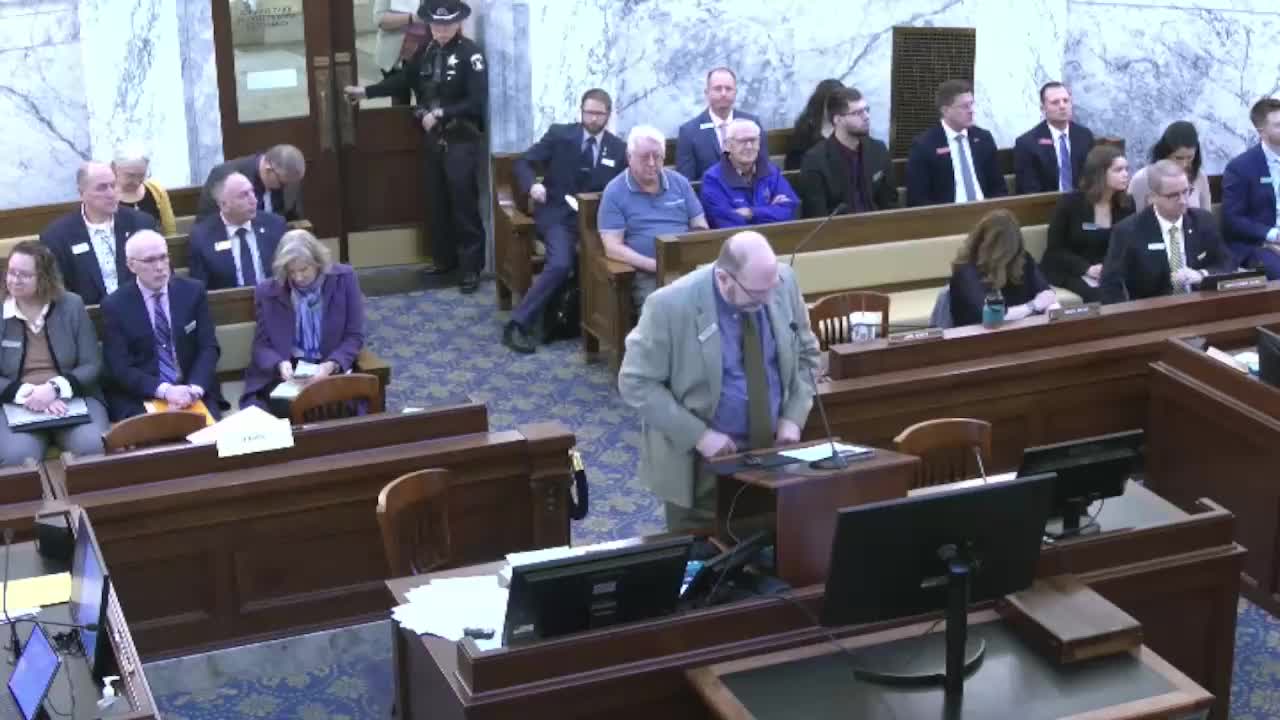
Kevin Campbell, Legislative Services Office analyst, said the museum has 8.2 authorized FTP and over 1,500,000 artifacts in its collection. Museum director Leif Tapanilla explained the mobile museum plan and the grant details: the museum was awarded roughly $180,000 from the David B. Jones Foundation to buy a van in the first year and to fund part‑time educator travel for the next two years. The museum expects the mobile unit to travel about 6,000 miles annually to schools and libraries statewide with a focus on rural communities.
Tapanilla said the foundation funds are term‑limited and that operational expenses such as supplies and travel costs are not fully covered by the grant; the FY2026 budget request includes partial general‑fund support intended to sustain the program once the three‑year grant ends. He described the mobile museum as a way to deliver education to every county on a repeating schedule and to reach communities that do not have regular museum access.
Senators and representatives asked about measures of program success and performance metrics. Senator Goode noted that raw visitor counts do not capture educational impact; Tapanilla said the museum plans to continue collecting qualitative stories and quantitative participation numbers but acknowledged qualitative learning outcomes are more difficult to quantify than simple attendance figures.
No formal votes were taken during the hearing; the committee asked the museum for further information about performance measures and sustainability plans.