Get Full Government Meeting Transcripts, Videos, & Alerts Forever!
Get email alerts on the Pardons Parole Pay topic
No spam. Unsubscribe anytime.
Pardons and Parole seeks pay increase for volunteer commissioners as workload and turnover climb
Summary
The Idaho Commission of Pardons and Parole requested legislation to raise commissioner pay from $300 to $400 per hearing day; the new executive director said commissioners spend unpaid hours preparing for hearings and that several commissioners are expected to depart within a year.
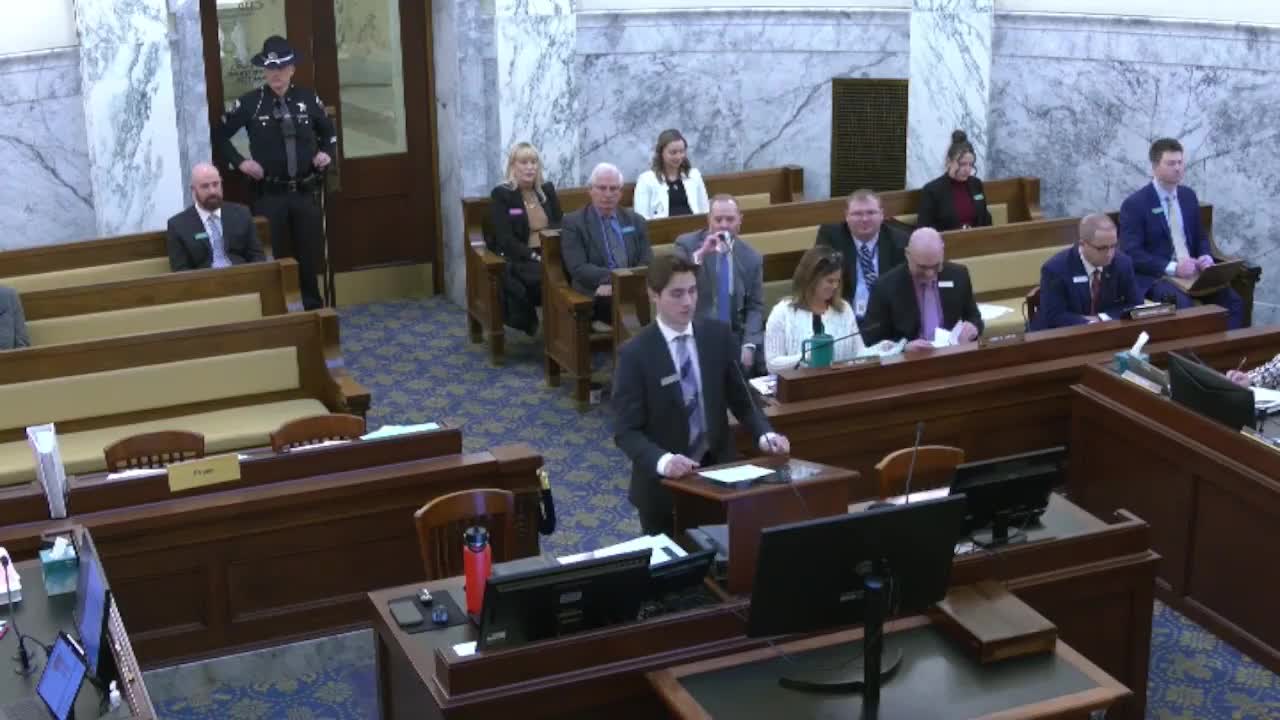
The Idaho Commission of Pardons and Parole asked the Joint Finance Preparations Committee on Feb. 4 to support legislation raising commissioner pay from $300 to $400 per hearing day, a change the commission said is necessary to retain and recruit experienced commissioners.
Noah Peterson, a budget analyst, said the commission would need a statutory change to increase pay and that the governor’s recommendation tied to that change would cost about $59,300 annually if enacted. Peterson told the committee commissioners last received a pay increase in 2017 and that the commission’s workload has increased: the commission issued 5,907 decisions in 2017 and 6,670 in fiscal 2024.
Christine Starr, executive director of the Commission of Pardons and Parole, told the committee she started in the role three months ago and noted she expects to lose more than half of the commission by December because commissioners have declined reappointment or planned departures. She said the positions are appointed by the governor and that inadequate compensation was cited by candidates who declined appointments.
Starr described the unpaid preparation work for commissioners: although commissioners are paid for hearing days, they receive no compensation for the preparation time required. She explained that a typical week of hearings may include about 23 hearings and attached materials; she calculated commissioners spend roughly 26 hours preparing for five days of hearings—about 3.25 unpaid days of prep per hearing week.
Starr said she will analyze commission processes, enhance the decision‑making framework, and review alternative parole commission models to increase transparency and sustain a trained decision‑making body. The committee asked routine clarifying questions about hearing schedules and compensation; no committee vote was taken at the hearing.