Get Full Government Meeting Transcripts, Videos, & Alerts Forever!
Get email alerts on the Dui Screening Fees topic
No spam. Unsubscribe anytime.
Committee hears testimony supporting increase in ADIS fee from $150 to $250
Summary
Several county ADIS professionals, treatment providers and officials told the committee that the $150 statutory fee for Alcohol and Drug Screening Specialists (ADIS) has not kept pace with administrative costs; witnesses supported raising the fee to $250 and discussed subsidies and indigent relief options.
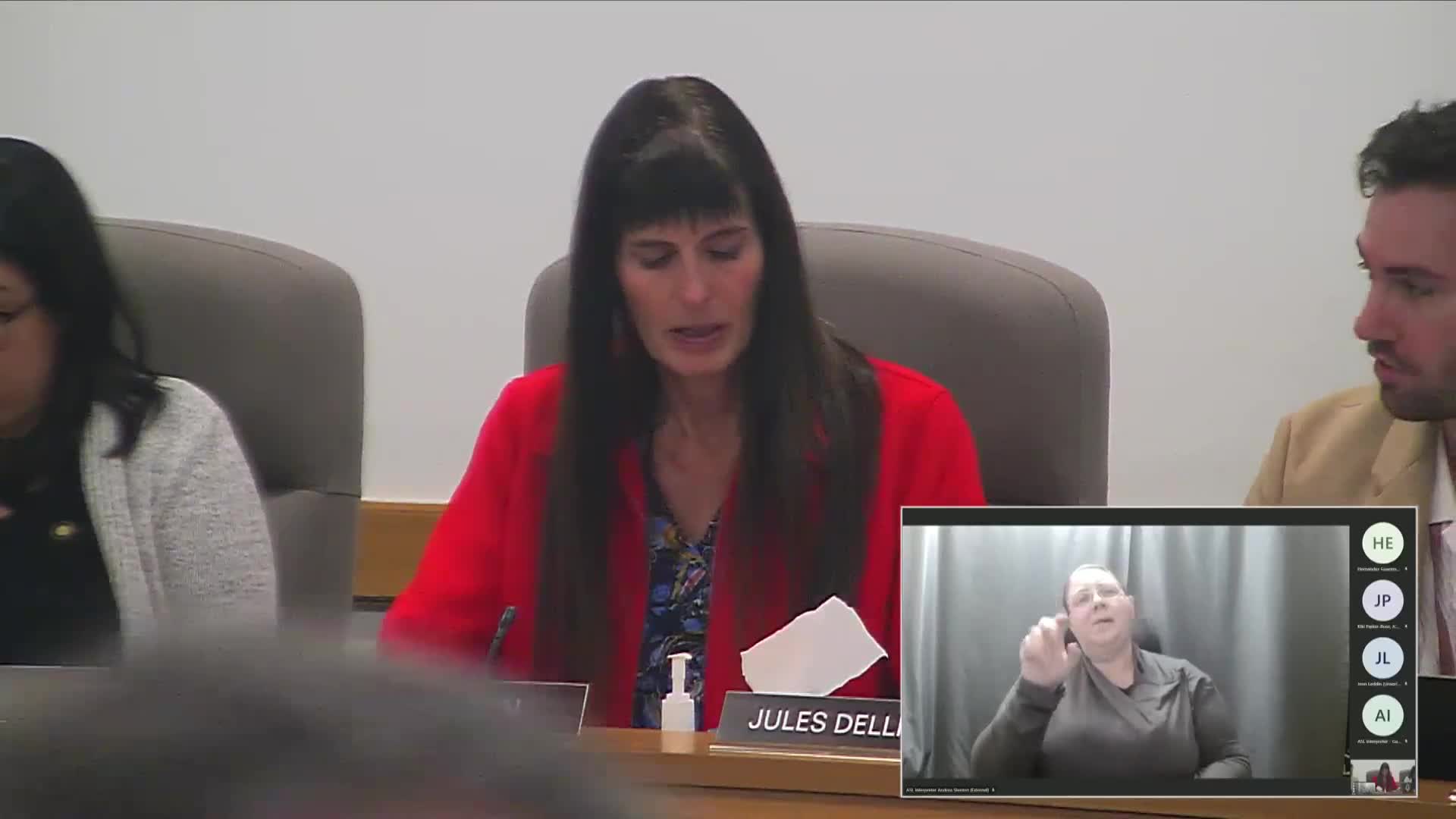
The House Committee on Judiciary on Feb. 11 took testimony on House Bill 3,174, which would raise the fee for Alcohol and Drug Screening Specialists (ADIS) from $150 to $250 for screening interviews tied to DUII diversion and conviction cases.
Representative Pam Marsh introduced the panel and explained ADIS professionals are responsible for conducting screenings, referring defendants to treatment, monitoring progress and submitting reports to courts. Kiki Parker Rose, Jackson County Community Justice director, said the ADIS role has expanded since the last fee increase in 2003 and that the current $150 does not cover the staff time, documentation and ongoing case-management responsibilities required.
Several ADIS professionals described administrative costs they currently absorb. Deanna Kemper, ADIS for Washington County Court, provided a 2024 example of operating expenses incurred by an ADIS: forms ($3,069), supplies ($4,772), computer/printer ($3,462), shredding ($995) and payment-processing fees ($7,000). Kemper said many ADISs are independent contractors who carry office costs; courts cannot directly waive the statutory screening fee and courts’ options to waive other fees are limited.
Supporters said funding programs already exist in some cases — for example, the VA provides assistance for veterans and Oregon Department of Transportation (ODOT) safety grants may help courts cover indigent fees — but they urged either an increase in the statutory fee or a defined indigency mechanism so courts or grant programs can cover screening costs for people who cannot afford them.
Treatment providers and recovery professionals supported the increase while also urging lawmakers to consider broader DUI modernization steps. Chris Wigg, an executive director of a certified DUI treatment provider, argued that treatment and screening processes could be redesigned to use evidence-based risk and needs assessments that target treatment dosage to criminogenic risk and thereby improve outcomes; he recommended the Legislature consider aligning screening requirements with validated impaired-driving risk tools.
Committee members asked about indigency protections, whether courts can waive related costs, and how the $250 increase would be implemented; sponsors and witnesses pointed to existing grants and local programs as potential mitigation for those who cannot pay. The committee closed the hearing after taking testimony; no vote was taken on Feb. 11.