Get Full Government Meeting Transcripts, Videos, & Alerts Forever!
Get email alerts on the Non Compete Healthcare topic
No spam. Unsubscribe anytime.
Doctors, lawmakers and patient advocates press Oregon to bar noncompetes for health professionals
Summary
A packed public hearing on Senate bills 468 and 957 featured doctors and legislators who said noncompetition clauses have reduced patient access in parts of Oregon, while some clinics and employers warned of economic harm and urged a measured approach.
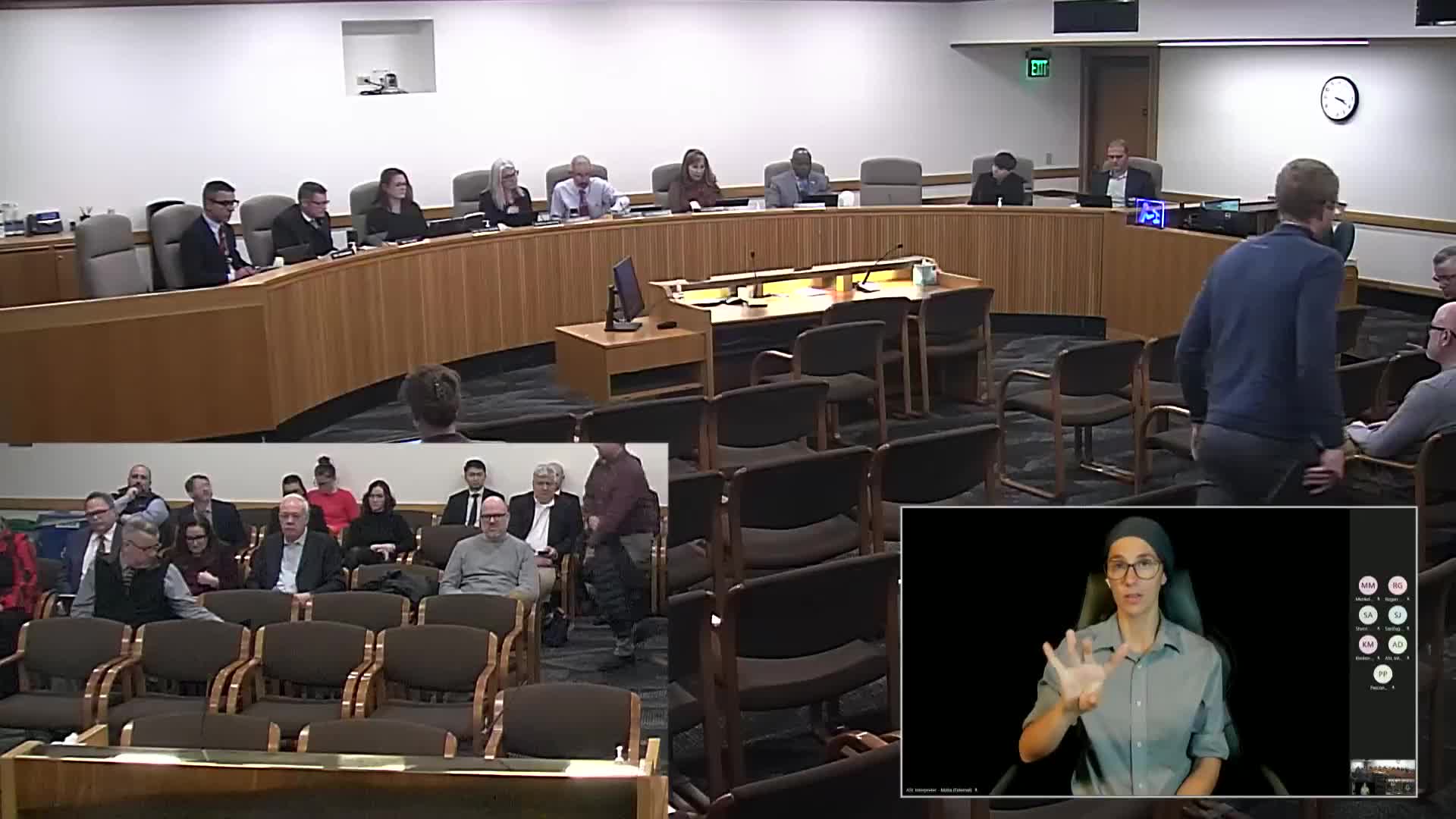
Senators heard broad testimony on Feb. 12 about proposed limits on noncompetition clauses in healthcare employment contracts, with physicians and patient advocates urging prohibition and some clinics warning of business disruption.
“Any restraint on trade…can be life threatening,” Sen. Broadman said in opening remarks, arguing that noncompete clauses can force patients to travel long distances for care and reduce local access to primary care and specialty services.
State and local elected officials and medical witnesses described multiple local examples. Representative Nancy Nathanson described the sale of a large medical group in the Eugene–Springfield area to a national operator; she said the community observed a rapid loss of clinicians and estimated “thousands” of patients lost access to a primary-care doctor during the disruption. Nathanson told the committee that dozens of providers left the group in a short period and that some clinicians reported they were effectively barred from practice during their noncompete period.
Physicians and professional groups testified in favor of restricting noncompetes. Mark Bonanno, general counsel for the Oregon Medical Association, said noncompetes were historically used to protect physician-owned practices but now can be used by large employers to restrict many clinicians. The Oregon College of Emergency Physicians' representative, Dr. John Moorhead, said noncompetes “scare the pants off doctors” entering practice and noted emergency-medicine work typically lacks trade secrets or patient carryover that would justify restraint.
Several clinicians cited personal harm from clauses. Dr. Sherry Alderman, a developmental-behavioral pediatrician, said she completed a contract with a major hospital system and then could not provide services in the region for six months because of a noncompete; families faced long waits for evaluations for developmental conditions. Dr. Regan Gage, an obstetrician-gynecologist from Central Oregon, said she left a position and is bound by a three-year noncompete that prevents volunteer clinical work and regional call coverage.
Opponents of a broad ban said the law already has been narrowed and cautioned about unintended local effects. Henry O'Keefe, testifying for Salem Clinic, described his client as an almost 100-year-old multi-physician practice that uses limited noncompetes for physician-owners. He told the committee that Oregon has narrowed enforceability in prior legislative sessions by adding income thresholds and shortening permitted durations; he said many organizations now limit noncompetes geographically and to ownership-level physicians.
Witnesses asked lawmakers to weigh a balanced approach. Supporters and some sponsors said the bills aim to level the playing field and preserve patient access; opponents urged careful drafting to protect community-based practices and noted possible narrow exceptions for employers who invest heavily in developing new, unique medical skills.
The committee held the bills for consideration after public testimony; no committee votes were taken during the Feb. 12 hearing.