Get Full Government Meeting Transcripts, Videos, & Alerts Forever!
Get email alerts on the Change In Employee Compensation Cec topic
No spam. Unsubscribe anytime.
Four competing pay proposals debated; committee fails to pass change‑in‑employee‑compensation measures
Summary
Lawmakers debated four Change‑in‑Employee‑Compensation (CEC) proposals — flat dollar, flat plus minimum percent, merit‑based up to 4%, and the governor’s 5% — but none of the motions achieved the required majorities. Members cited differing philosophies on merit versus flat raises and procedural confusion about joint voting rules.
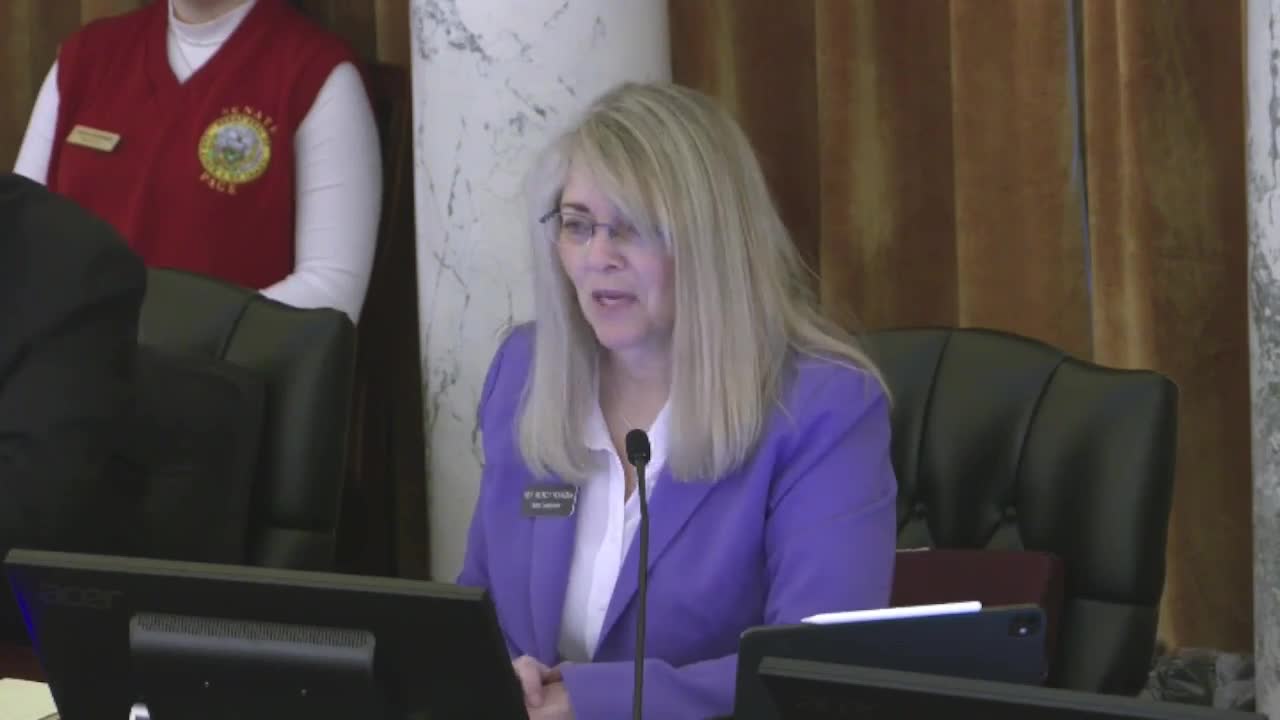
BOISE — The Joint Finance‑Appropriations Committee on Friday considered four distinct Change‑in‑Employee‑Compensation (CEC) proposals for fiscal year 2026 but failed to adopt any of them after multiple roll calls and procedural disputes.
Budget staff presented four options: a flat $1.55 hourly increase (distributed with flexibility by agency), a $1.55/hour proposal plus $611,500 to ensure a minimum 3% for employees up to a specified salary threshold, a merit‑based package providing up to 4% based on performance, and the governor’s recommendation of a 5% merit‑based increase. Each motion differed in distribution method, targeted employee groups (community colleges, IT/engineering staff, troopers, nursing/health‑care workers and public school employees), and total cost.
Representative Miller first moved the flat $1.55 per hour option (motion 1). Senator Cook later offered a merit package (motion 3); Representative Furness proposed the hybrid option (motion 2); and Senator Wintrow presented the governor’s 5% recommendation (motion 4). Mr. Bybee, the committee analyst, walked members through the methodology used to convert dollar amounts to per‑FTE figures, the fund splits for colleges and other institutions, and line‑by‑line calculations for the four motions.
Debate split around philosophy and practical effects. Senator Cook and supporters urged merit‑based increases, saying supervisors need a mechanism to reward higher performers. Senator Woodward argued in favor of merit, saying a flat raise with no ability for supervisors to recognize top performers “moves toward the notion of a participation trophy.” Representative Handy countered that flat increases address inflation uniformly and noted managerial limits in distinguishing performance.
Members also discussed technical and distributional details: motions included varying targeted increases for IT and engineering staff (4.5%), salary schedule adjustments to match federal military parity for low‑paid schedules, and differing treatments for community colleges and public schools. Mr. Bybee noted the motions would distribute funds differently among agencies and that motion 4 (the governor’s 5% proposal) used a straight percentage methodology rather than a flat dollar figure.
The committee also devoted time to a procedural dispute over how to count votes for this joint House‑Senate committee. Members located a 2023 letter from House and Senate majority leadership describing the joint voting procedure; the chair ruled that the procedure in that letter would govern the current votes, a ruling that members questioned in real time.
The votes: multiple roll calls were held on the competing motions. Senator Cook’s merit substitute (the motion described as motion 3 in committee materials) failed to achieve a majority in the House and thus failed. Subsequent roll calls on Representative Furness’s substitute and on the original flat‑dollar and governor’s motions also failed to obtain the required support. After the final roll call the chair announced that none of the CEC motions passed and that the committee would return to the issue on a future day.
Members said the calculations are complex and warned against drafting or amending these motions “on the fly.” Several members asked staff to return with clarified language, definitive line totals and any required conforming language before revoting.
Because no motion passed, there is no committee recommendation on CEC from this meeting. Committee staff and members said they will continue work on the proposals and reschedule further hearings and votes.