Get Full Government Meeting Transcripts, Videos, & Alerts Forever!
Get email alerts on the Pensi Operations Funding topic
No spam. Unsubscribe anytime.
PERSI reports 9% recovery return, 87% funded ratio and requests software and IT funding in FY2026
Summary
Public Employee Retirement System of Idaho (PERSI) officials told JFAC the fund ended the fiscal year with roughly $22 billion in assets, about 87% funded, and reported a 9% return during two years of market recovery. PERSI seeks one‑time funding for continued pension software upgrades and IT hardware for FY2026.
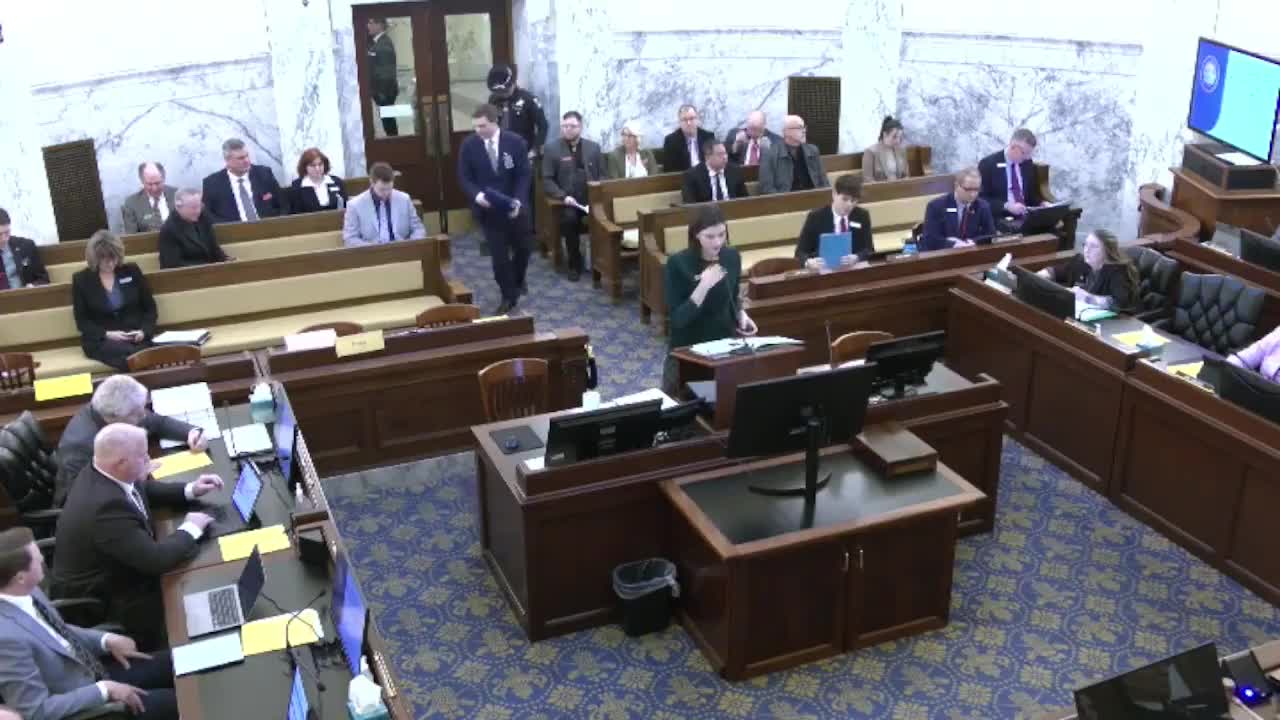
The Public Employee Retirement System of Idaho (PERSI) briefed the Joint Finance‑Appropriations Committee on its operations, funding status and FY2026 requests, saying the system is in strong financial condition but continues to invest in technology and member services.
Frances Lippitt, a budget and policy analyst with the Legislative Services Office, reviewed PERSI’s organization and recent appropriations. She said PERSI operates under a five‑member retirement board, had authorized 81 full‑time staff and averaged a roughly 89% position fill rate in recent years. Lippitt told the committee PERSI expended $11.4 million from appropriated funds in FY2024, with personnel costs accounting for about 56.6% of that total and operating expenditures—nearly half of which were for an ongoing pension software upgrade—making up the remainder.
Director Mike Hampton told the committee the fund experienced about a 9% return in the most recent fiscal year and that PERSI’s assets were “a little over $22,000,000,000” with roughly 185,000 members in the plan. “That was two years of recovery since we’ve had the ’22 market correction,” Hampton said.
Hampton said PERSI’s funded ratio at the end of the last fiscal year was about 87%. He explained the funded ratio compares current assets to the present value of the plan’s liabilities and described Idaho’s system as “one pension system that covers all public employees in the state of Idaho,” a structure he said is uncommon among states.
On requests, PERSI sought two ongoing enhancements totaling about $277,100 (including $25,000 for trustee travel and a 5% inflationary request) and one‑time requests including $3.0 million for year four of its pension software upgrade and $628,500 for IT hardware recommended by OITS. Lippitt said the governor recommended the enhancements except for the inflationary increase and office furniture.
Committee members asked about the post‑retirement cost of living adjustment (COLA). Hampton explained the COLA is automatically 1% if CPI‑U is above that threshold, and that the board recommended an additional 0.3% retroactive adjustment going back to 2020; combined, that recommendation would be 1.3% if adopted by the legislature. He also explained that the board evaluates such recommendations based on long‑term fund sustainability and statutory constraints.
On contributions and fund levers, Hampton noted statute limits benefit changes and said the only lever the board fully controls is contribution rates. He reported the system’s current amortization period was about 10.7 years, well under the 25‑year statutory threshold that would trigger additional actions.
The presentation included operational metrics: more than 66,000 member phone calls handled, over 14,000 members reached through education programs, and more than 44,000 processed workflows (retirements, benefit estimates and related transactions). PERSI emphasized member portal registration growth since a major system upgrade launched in January.
PERSI’s requests and the board’s COLA recommendation will be considered in the wider budget process; no formal committee action on PERSI’s requests was recorded during the hearing.