Get Full Government Meeting Transcripts, Videos, & Alerts Forever!
Get email alerts on the School Safety topic
No spam. Unsubscribe anytime.
Idaho bill would standardize school behavior-threat assessments, add limited immunity for districts
Summary
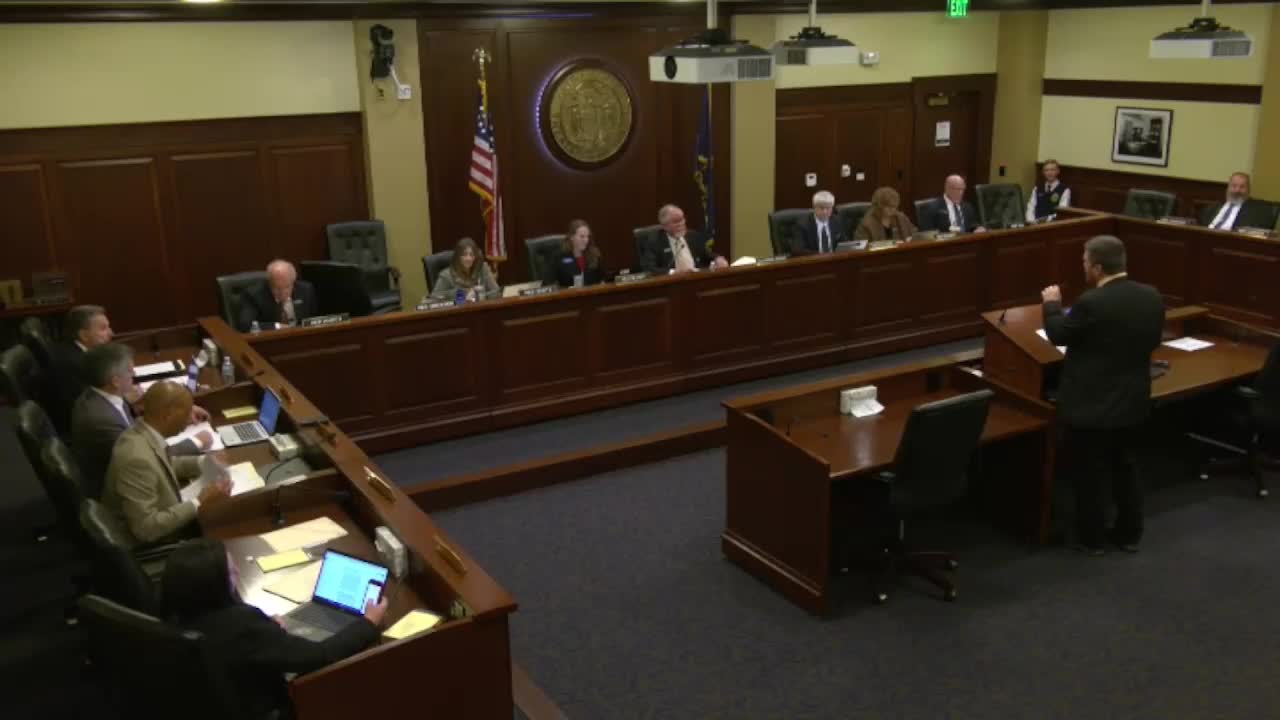
A proposed rulemaking bill to authorize standardized behavior-threat assessments in schools and provide limited immunity for districts that follow the protocols was introduced and given a unanimous voice vote by the House Judiciary and Rules Committee at a print hearing.
Representative Marco Erickson, District 33, introduced RS31861, a proposed measure to adopt a standardized behavior-threat and management assessment process for Idaho schools and to provide limited legal immunity for districts that implement the prescribed protocols.
The bill’s sponsor said the measure is designed as a prevention tool allowing multidisciplinary teams to assess and intervene when students show concerning behavior; the measure includes an immunity clause protecting schools from civil suits if they follow the required protocols. The sponsor described training and implementation support from state partners and said confidentiality and parental rights are preserved in the process.
Why it matters: The measure seeks to create a consistent statewide framework for threat assessment and to reduce litigation risk for districts that follow protocols. Sponsors framed the bill primarily as a public-safety and prevention measure, asserting that a coordinated, upstream response by multidisciplinary teams can identify and assist at-risk students.
Representative Marco Erickson, the bill’s presenter, told the committee the proposal has been under development for three years and incorporates national standards and Idaho-specific features. He said the measure establishes a team-based approach, training run by state partners and a specific immunity provision similar to a measure passed last year. Erickson said confidentiality agreements would be part of participation and that parental rights are retained.
Committee members asked about the practical effect of the immunity clause. Representative Ehrhardt asked whether districts that follow State Board of Education and Department of Education protocols would be less exposed to lawsuits; Erickson said yes, explaining that if a district can show it followed the statutory protocols, plaintiffs would face a higher burden to prove negligence. Erickson described the approach as prevention-focused, emphasizing local teams who know the student and the family.
Representative Hill asked whether the bill would better identify students who later carry out attacks, noting that school shootings often contain warning signs. Erickson replied that there is no single profile and that the best strategy is a team that knows the student and the community; he said many incidents involved someone having talked about plans and being dismissed rather than connected with help.
Fiscal and training details: Committee members asked about a fiscal note and training costs. Representative Erickson said a fiscal note is attached and that training resources are already budgeted within state education and partner agency budgets; he said the partnerships include the State Board of Education, the Idaho Department of Education and the Idaho Department of Health and Welfare and that the training would be carried out within existing agency budgets over a multi-year period.
Action: Representative Scott moved to introduce RS31861. The committee voted by voice and the motion carried unanimously; individual yea/nay counts were not recorded on the transcript.
Next steps: The committee printed the bill for potential further hearings and a full bill hearing was anticipated if members request additional testimony from implementing agencies or subject-matter experts.