Get Full Government Meeting Transcripts, Videos, & Alerts Forever!
Get email alerts on the It Modernization topic
No spam. Unsubscribe anytime.
Commissioners tentatively endorse $1M auditor fee revenue for IT upgrades; staff to return with department plans
Summary
Board discussed augmentum/recording/RMS software and other major IT projects, tentatively accepted a $1M auditor fee revenue assumption and asked for department‑head briefings on timing and capacity.
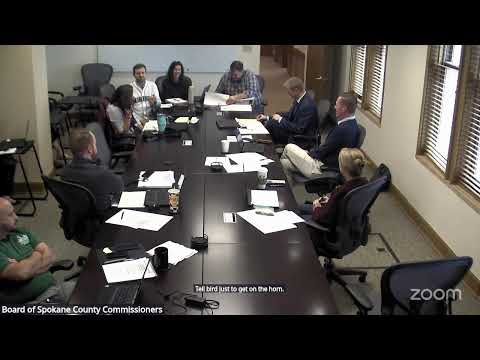
Spokane County commissioners on Oct. 20 discussed a package of major IT upgrades that staff says will cost roughly $11–14 million across multiple systems and tentatively agreed to assume $1 million in auditor fee revenue to offset a portion of those costs, while asking staff to produce department‑level implementation plans.
Why it matters: The county's aging core systems (tax/assessor software, records/recording systems and RMS) were presented as high‑priority replacements; commissioners said they want department heads and IT to confirm timing and capacity before final commitments.
Staff described an auditor licensing fee that auditor staff estimate would bring in about $1 million annually and noted a one‑time implementation cost (auditor side) of roughly $600,000. Staff said the largest single package under consideration includes the county’s augmentum tax system replacement, recording software, and a records/RMS modernization project; combined costs including implementation were described as roughly $11–14 million depending on which components proceed now. County staff said the ARP general‑fund balance contains funds available for IT capital and that implementing some of these projects now would draw on that resource.
Commissioners gave tentative head nods to assume $1 million of auditor‑fee receipts for planning purposes and directed staff to bring department heads (assessor, treasurer, IT, prosecutors and sheriff) to the next meeting to explain project sequencing, staffing and ongoing subscription costs. Commissioners noted the need to account for recurring annual maintenance and subscription costs post‑implementation, and asked staff to present scenarios for staggered timing (for example, 2026 vs. 2027) so the county does not overextend IT capacity. Staff also flagged possible outside funding opportunities for justice‑system tech (for example, philanthropic grants) to offset costs.
No final procurement or budget appropriation was approved; staff said they would return with refined cost and timing estimates, implementation plans and impact on ongoing operating budgets.