Get Full Government Meeting Transcripts, Videos, & Alerts Forever!
Get email alerts on the Education Scholarships topic
No spam. Unsubscribe anytime.
State Board outlines scholarship portfolio; seeks funding for rural educator incentives and IT support
Summary
The Office of the State Board of Education presented the Scholarships and Grants program budget, noting timing-driven spending, new rural/underserved educator incentive funding and a request for a software engineer to maintain student-facing systems.
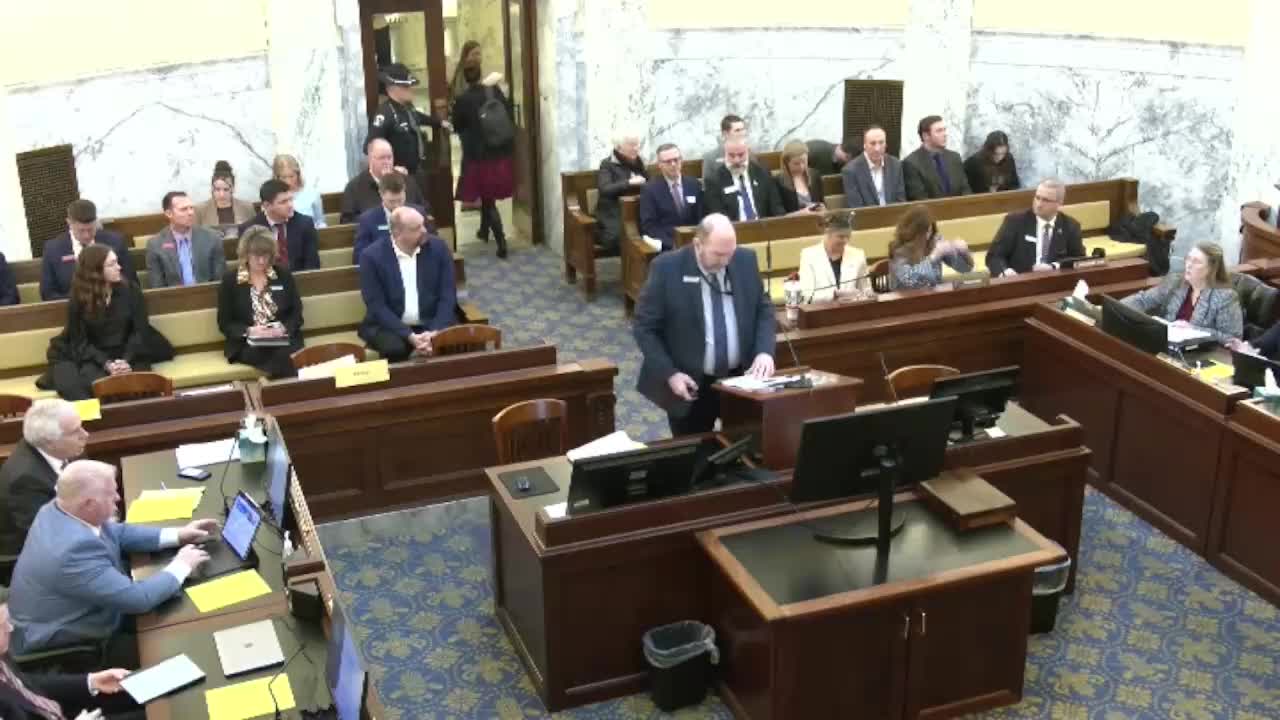
Kevin Campbell, Legislative Services analyst, briefed the committee on the Scholarships and Grants budget housed in the State Board of Education. The program administers five major grants and scholarships, including the Opportunity Scholarship, the Bridging and Underserved Educator Incentive Program and the Idaho Work Study Program.
Campbell and Executive Director Josh Whitworth said nearly all program spending (about 99.5%) is in trustee and benefit payments (student awards and subgrants), with staff costs making up roughly 0.5% of expenditures. Spending can vary significantly year to year because award cycles do not align perfectly with the fiscal year and because applicant numbers and federal grant timing change.
The Scholarships and Grants program requested $1,375,000 for the Bridging and Underserved Educator Incentive Program in FY2026 and requested an additional $124,000 for a software engineer position to maintain and secure the program’s public-facing databases and systems used by students and parents. Whitworth said current staffing levels cannot address a backlog of system maintenance and security enhancements and that the program relies on other State Board staff who carry some of the workload outside this budget.
Committee members asked about program performance and outcomes. Whitworth said the office will increase reporting on outcomes and examine whether programs such as the rural and underserved educator incentive are meeting recruitment and retention goals. Asked for immediate data, Whitworth provided preliminary cohort headcounts for the rural incentive program and agreed to return with district-level details and distinctions between “rural” and “underserved.”
Ending: The Office of the State Board of Education agreed to provide additional performance and district-level data on the rural and underserved educator incentives and to return with more analysis on program outcomes and the case for the software engineer request. No formal committee vote on those specific enhancement requests was recorded in the hearing transcript.